Lingua alla Milanese
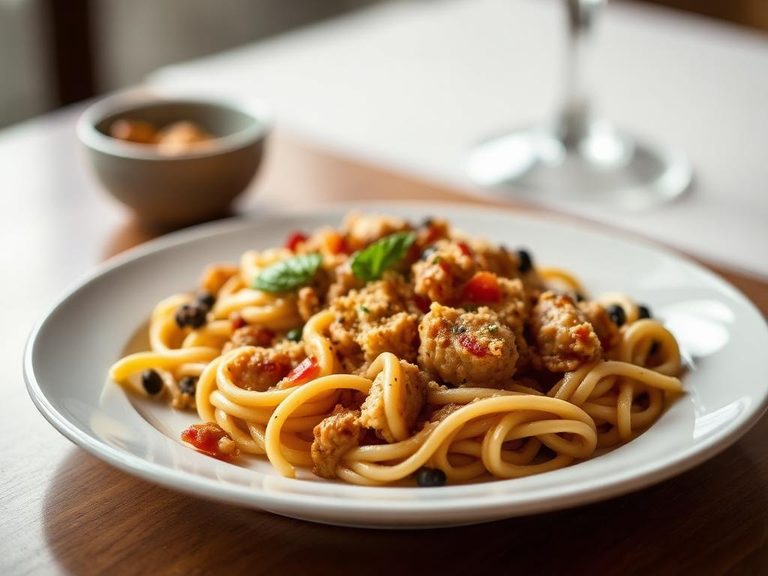
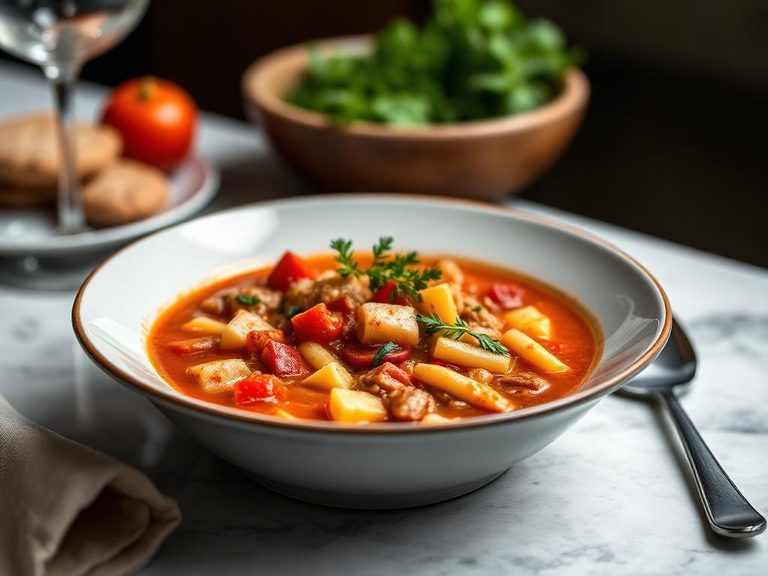
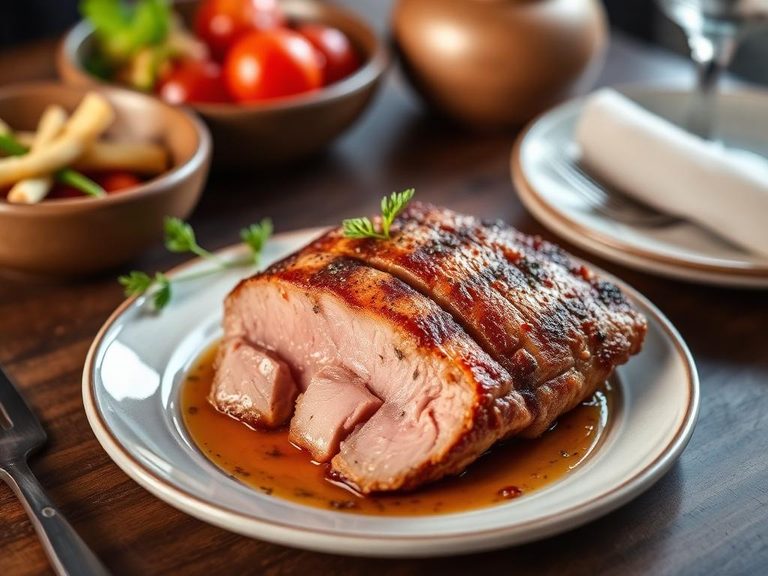
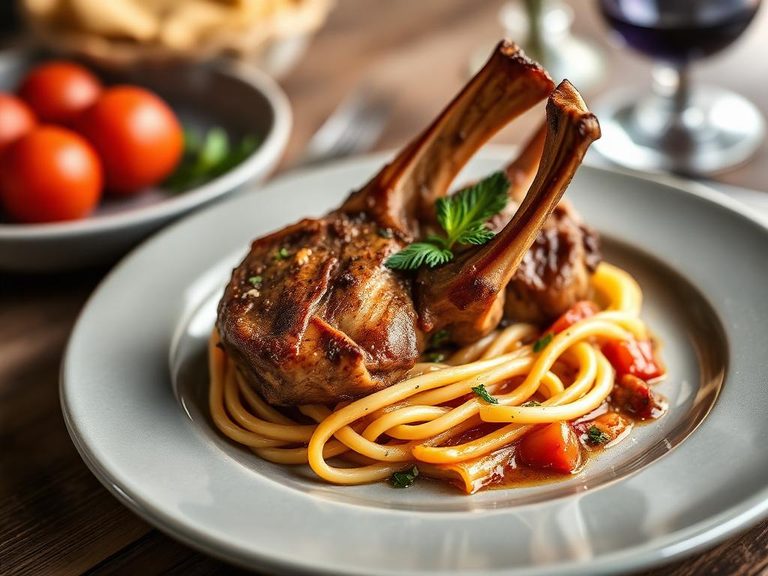
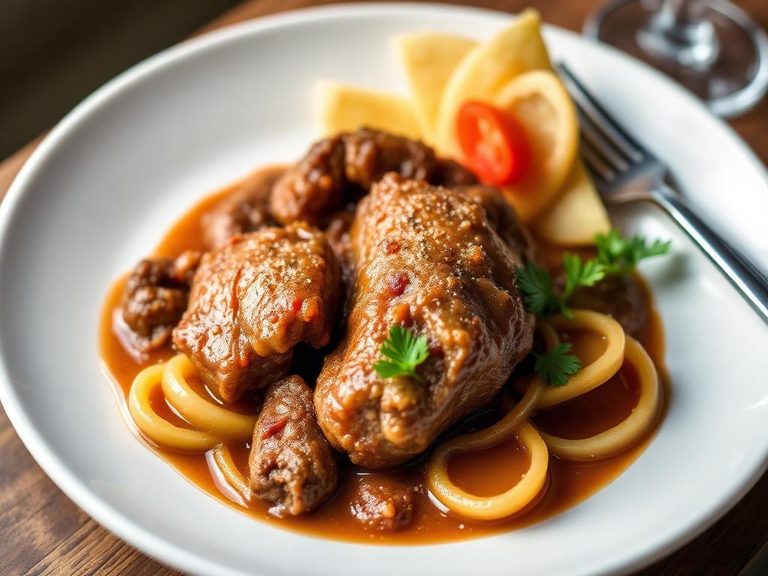
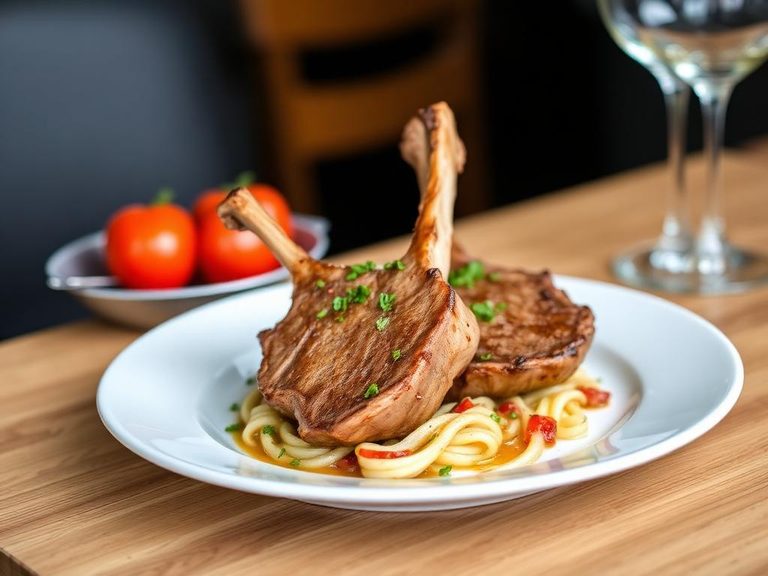
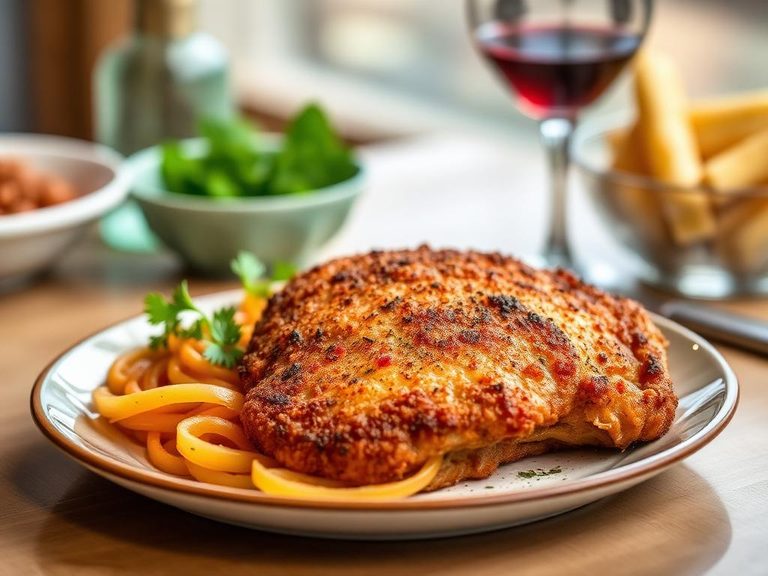
Lingua alla Milanese is a classic dish from Milan, Italy, featuring tender beef or veal tongue braised or simmered until exceptionally soft. It is typically served with a rich sauce like salsa verde, gremolata, or a simple pan gravy, and often accompanied by polenta or potatoes. The preparation emphasizes slow cooking to transform the tongue into a melt-in-your-mouth delicacy.
🍽️ Nutrition at a glance
This dish is high in protein and fat, with minimal carbohydrates, providing a good source of iron, zinc, and B vitamins like B12. A typical serving of beef tongue with sauce can range from 300 to 450 calories, depending on the cut and preparation method.
Nutrition breakdown
| Calories | 280 kcal |
| Protein | 28 g |
| Carbs | 2 g |
| Fat | 18 g |
| Fiber | 0 g |
| Sugar | 0 g |
| Sodium | 650 mg |
| Iron | 4.5 mg |
| Zinc | 5.2 mg |
| Vitamin B12 | 18.0 mcg |
| Niacin (B3) | 8.0 mg |
| Phosphorus | 320 mg |
| Selenium | 35 mcg |
| Vitamin B6 | 0.6 mg |
| Cholesterol | 280 mg |
Per 1 serving (200 g) · estimated, varies by recipe
💡 What's interesting
Culturally, it reflects Milan's tradition of nose-to-tail eating, where less common cuts are prized for their flavor and texture. Nutritionally, tongue is surprisingly lean compared to many other meats and offers a dense concentration of nutrients, making it a historically valued food for sustenance.