

Lebkuchen
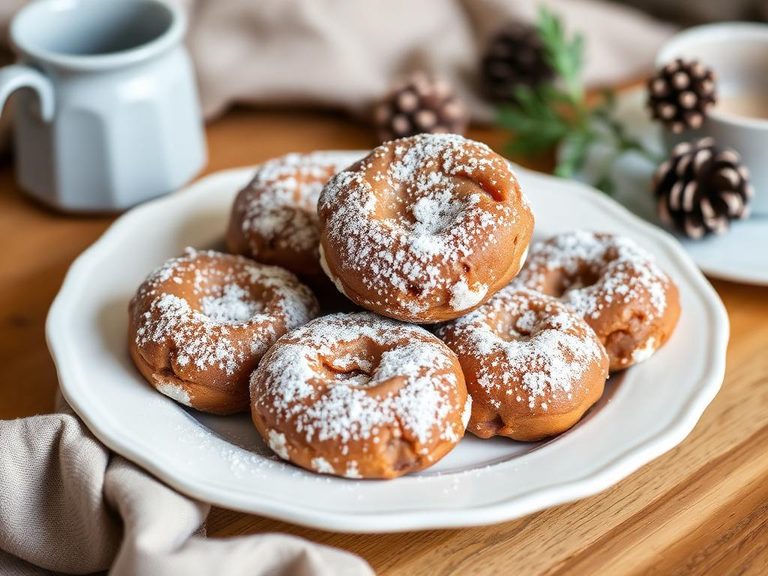
Lebkuchen is a traditional German spiced cookie, often associated with Christmas markets and the city of Nuremberg. It is typically made with honey, nuts (like almonds or hazelnuts), candied citrus peel, and a blend of warm spices such as cinnamon, cloves, and ginger, often coated in a sugar glaze or chocolate.
🍽️ Nutrition at a glance
Lebkuchen is a carbohydrate-rich treat, primarily from sugars and flour, with a moderate amount of fat from nuts. A typical serving provides a quick energy boost and small amounts of minerals like iron and magnesium from the nuts and spices.
Nutrition breakdown
| Calories | 350 kcal |
| Protein | 5 g |
| Carbs | 65 g |
| Fat | 8 g |
| Fiber | 2 g |
| Sugar | 40 g |
| Sodium | 150 mg |
| Iron | 3.0 mg |
| Magnesium | 40 mg |
| Potassium | 200 mg |
| Phosphorus | 80 mg |
| Zinc | 1.0 mg |
| Manganese | 1.5 mg |
| Copper | 0.3 mg |
| Selenium | 5 µg |
Per 2 pieces (approx. 100 g) · estimated, varies by recipe
💡 What's interesting
Lebkuchen has been baked in Germany since the 13th century and its recipe is protected by a 'Protected Geographical Indication' (PGI) for Nuremberg Lebkuchen, guaranteeing its origin and traditional preparation.
🍽️ Related dishes


AI estimate may be inaccurate · Terms