

Lebkuchenspeculatius
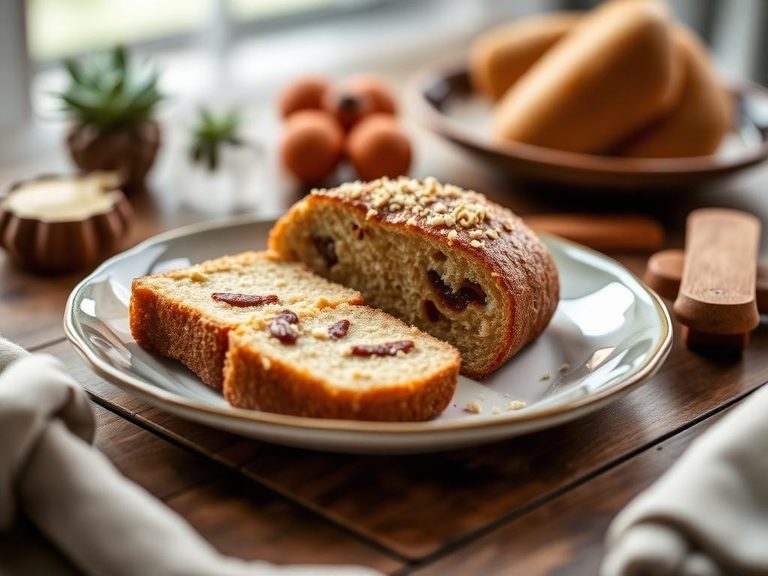
Lebkuchenspeculatius is a traditional German spiced biscuit that combines the soft, cake-like texture of Lebkuchen with the crisp, molded appearance of Speculoos. It is typically made with a blend of aromatic spices such as cinnamon, cloves, ginger, and nutmeg, along with honey, flour, and often almonds or candied peel. This festive treat is especially popular during the Christmas season in Germany, Belgium, and the Netherlands.
🍽️ Nutrition at a glance
Lebkuchenspeculatius is high in carbohydrates and sugar, with a moderate amount of fat from butter or oil. It provides some iron and manganese from the spices and flour, and a typical serving contains roughly 150–200 calories.
Nutrition breakdown
| Calories | 180 kcal |
| Protein | 2.5 g |
| Carbs | 30 g |
| Fat | 6 g |
| Fiber | 1.5 g |
| Sugar | 18 g |
| Sodium | 120 mg |
| Iron | 1.5 mg |
| Manganese | 0.4 mg |
| Magnesium | 20 mg |
| Phosphorus | 35 mg |
| Zinc | 0.3 mg |
| Vitamin B6 | 0.05 mg |
| Copper | 0.1 mg |
| Potassium | 80 mg |
Per 3 pieces (approximately 45 g) · estimated, varies by recipe
💡 What's interesting
The biscuit is culturally significant as a holiday staple, often shaped into intricate molds like stars, hearts, or animals, and its spice blend reflects centuries-old trade routes that brought exotic spices to Europe. Nutritionally, the spices like cinnamon and ginger may offer mild antioxidant benefits, though the treat is primarily enjoyed for its flavor and festive tradition.
AI estimate may be inaccurate · Terms