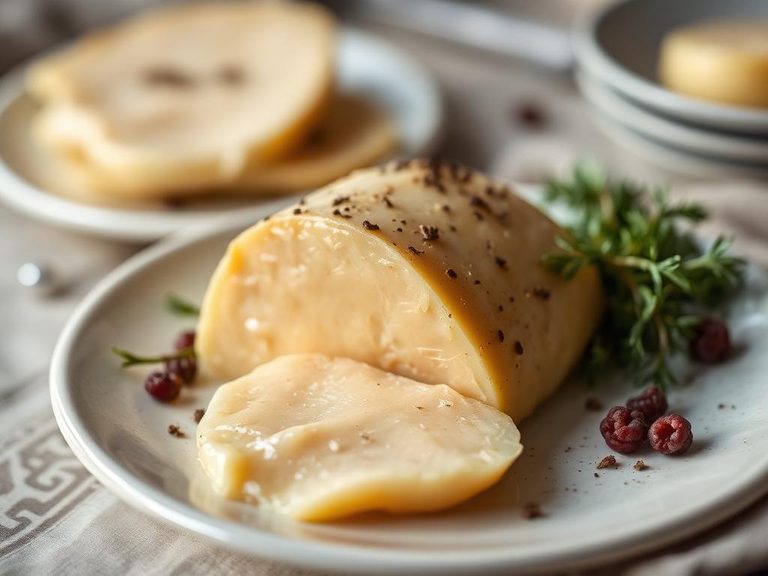
Lard-based pastry dough
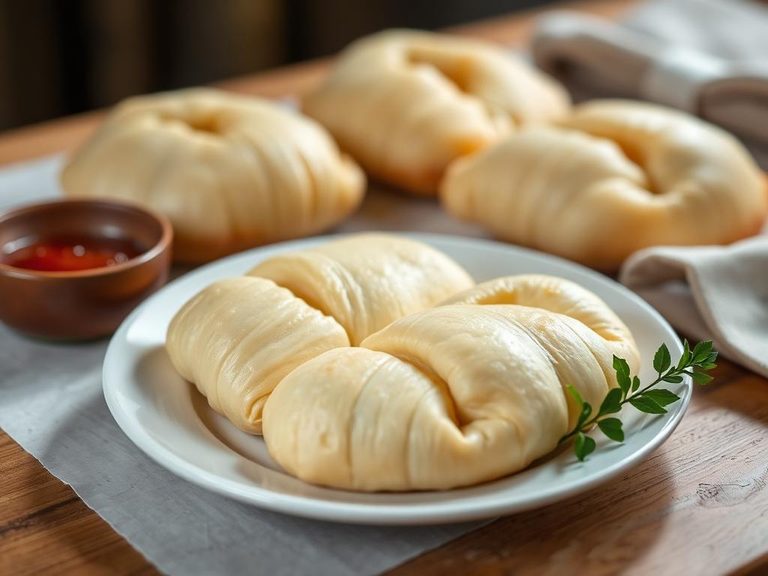
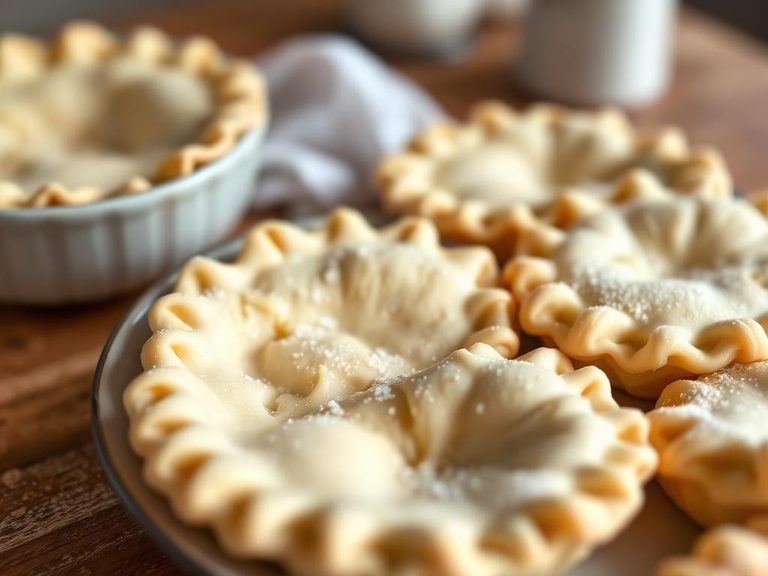
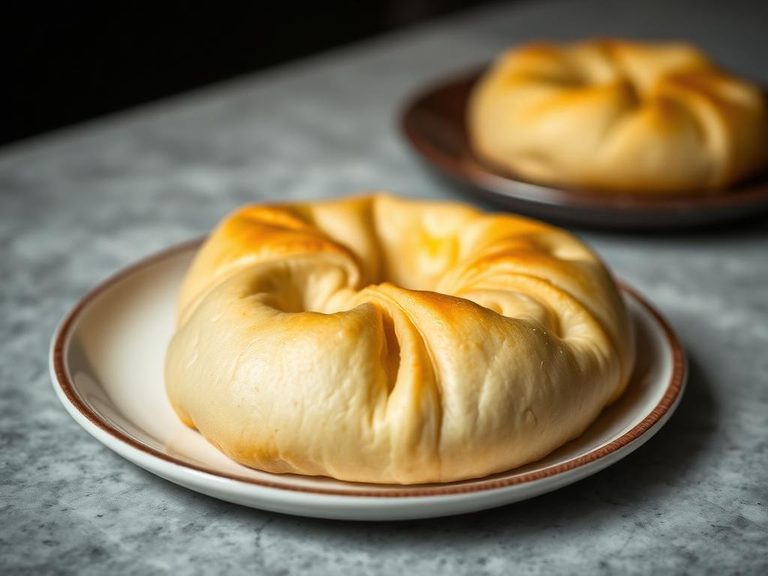
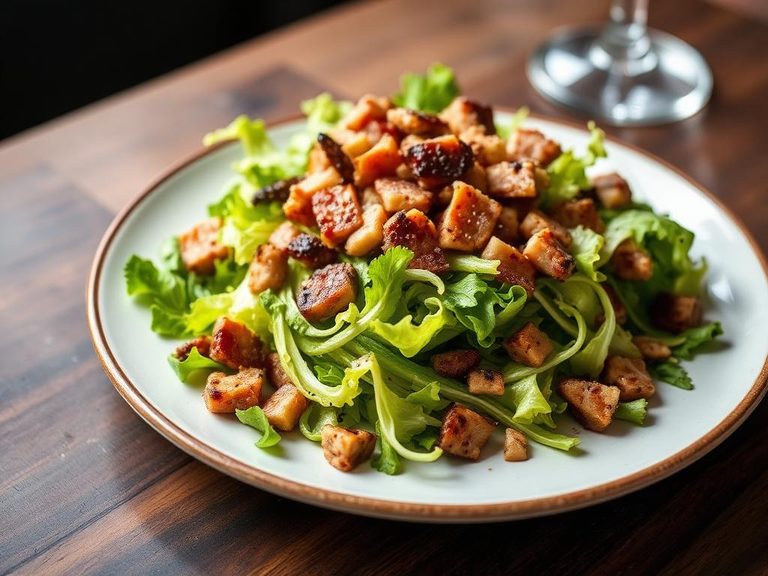
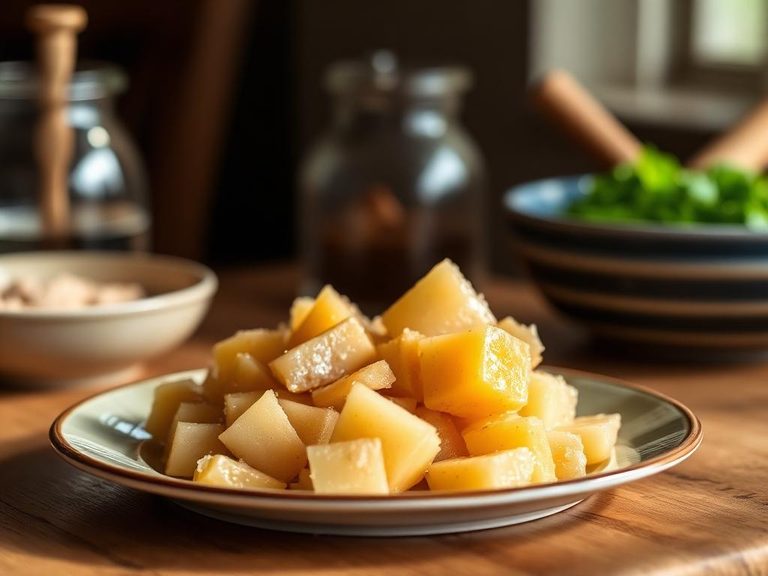
Lard-based pastry dough is a traditional, flaky pastry made by incorporating lard (rendered pork fat) into flour, water, and salt. It is a foundational dough in many cuisines, particularly in Chinese, Central European, and North American baking, used for both savory pies and sweet pastries.
🍽️ Nutrition at a glance
This dough is high in fat, primarily from lard, and provides a significant amount of carbohydrates from flour. A typical serving offers a dense source of energy, with calories coming mainly from fat and refined carbohydrates.
Nutrition breakdown
| Calories | 540 kcal |
| Protein | 7 g |
| Carbs | 45 g |
| Fat | 38 g |
| Fiber | 2 g |
| Sugar | 0 g |
| Sodium | 480 mg |
| Thiamin (B1) | 0.2 mg |
| Niacin (B3) | 2.5 mg |
| Iron | 2.8 mg |
| Phosphorus | 85 mg |
| Selenium | 18 µg |
| Choline | 15 mg |
| Vitamin E | 1.5 mg |
| Vitamin K | 3 µg |
Per 1 pastry shell (approx. 150 g) · estimated, varies by recipe
💡 What's interesting
Culturally, lard pastry is prized for creating an exceptionally tender and flaky texture that is difficult to achieve with other fats. Nutritionally, lard is a stable cooking fat with a high smoke point, and while high in saturated fat, it also contains monounsaturated fats.