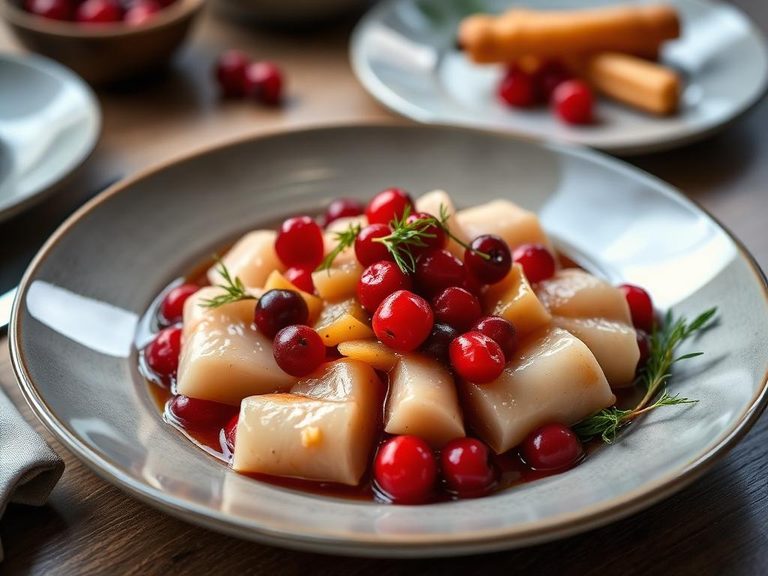
Lard
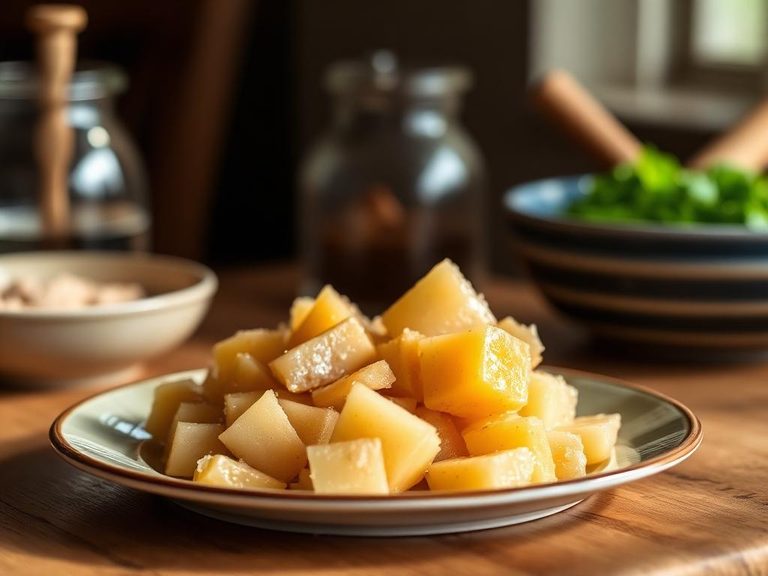
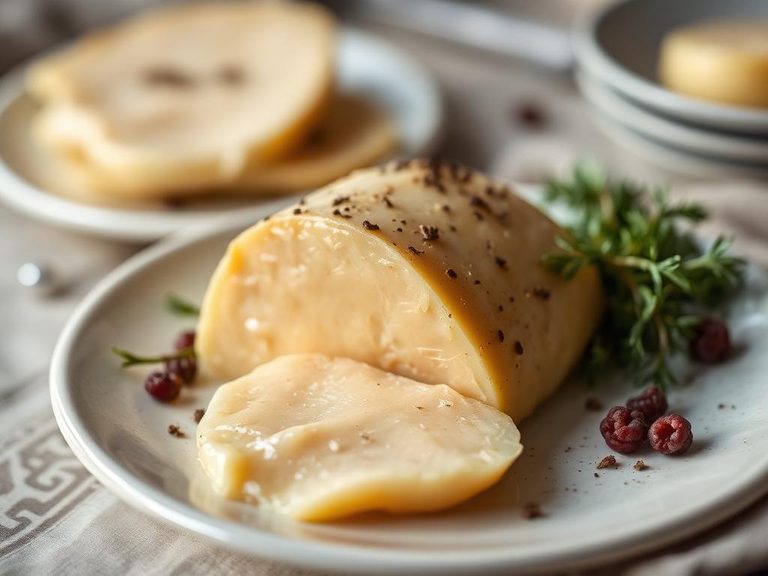
Lard is rendered pork fat, a traditional cooking fat with a rich history in many cuisines worldwide, particularly in European, Latin American, and Chinese cooking. It is produced by slowly melting down fatty pork trimmings, often from the back, belly, or kidneys, until the fat liquefies and solids are strained out. The result is a smooth, creamy fat that solidifies at room temperature and has a high smoke point, making it ideal for frying, baking, and sautéing.
🍽️ Nutrition at a glance
Lard is almost pure fat, containing no carbohydrates or protein, and is a dense source of calories. It provides a significant amount of saturated and monounsaturated fats, along with trace amounts of fat-soluble vitamins like vitamin D, and is calorie-dense at roughly 115-120 calories per tablespoon (14 grams).
Nutrition breakdown
| Calories | 115 kcal |
| Protein | 0 g |
| Carbs | 0 g |
| Fat | 13 g |
| Fiber | 0 g |
| Sugar | 0 g |
| Sodium | 0 mg |
| Vitamin D | 1.5 µg |
| Vitamin K | 1.5 µg |
| Choline | 1.5 mg |
| Saturated Fat | 5 g |
| Monounsaturated Fat | 6 g |
| Polyunsaturated Fat | 1.5 g |
| Cholesterol | 12 mg |
| Vitamin E | 0.1 mg |
Per 1 tablespoon (14 g) · estimated, varies by recipe
💡 What's interesting
Nutritionally, lard is notable for being one of the few animal-derived foods that contains a meaningful amount of vitamin D, a nutrient more commonly associated with sunlight and plant sources. Culturally, it was a cornerstone of home cooking for centuries before the rise of vegetable oils, valued for its flavor, versatility, and long shelf life when stored properly.