Kuri Kinton
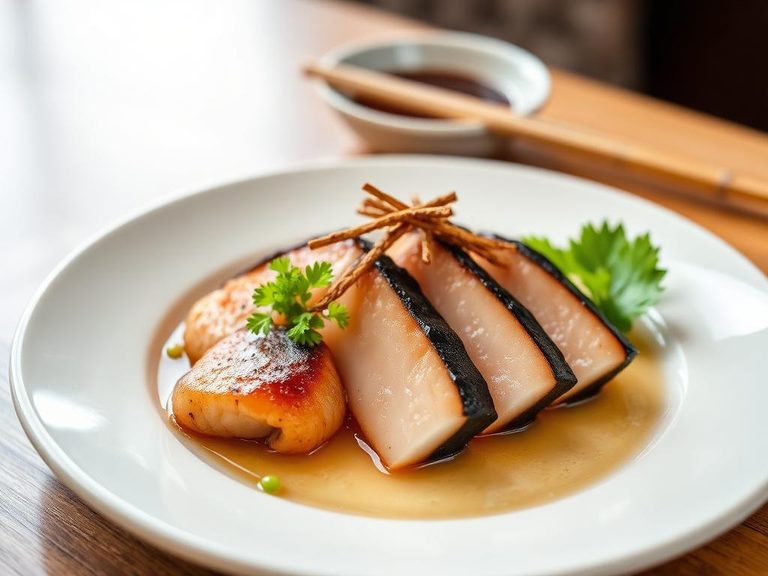
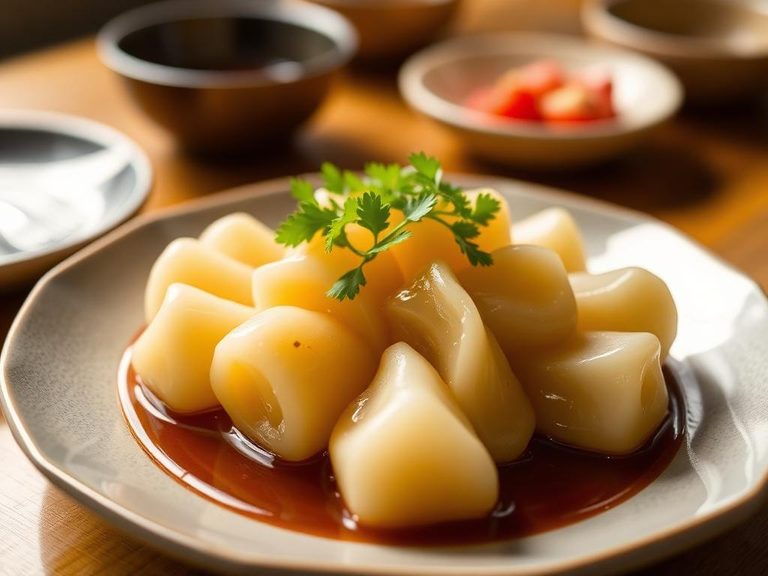
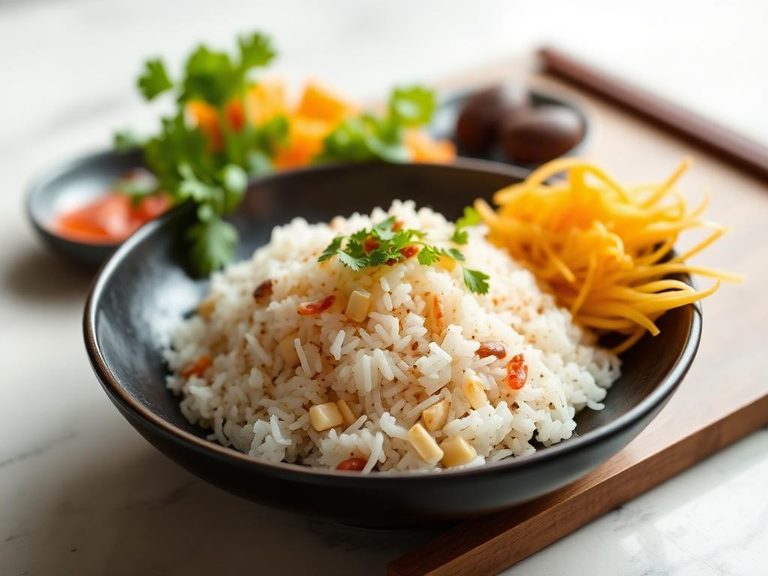
Kuri Kinton is a traditional Japanese dish of sweet mashed chestnuts, often served during New Year celebrations (Osechi-ryori). It's typically made by simmering chestnuts in sugar syrup and then mashing them, sometimes with a touch of sweet potato or yam for a smoother texture. The dish is known for its vibrant golden color, symbolizing wealth and prosperity.
🍽️ Nutrition at a glance
Kuri Kinton is high in carbohydrates, primarily from natural sugars in chestnuts and added sweeteners, with minimal fat and protein. It provides a good source of dietary fiber, vitamin C, and potassium, with a rough calorie ballpark of 150-200 kcal per 100g serving.
Nutrition breakdown
| Calories | 180 kcal |
| Protein | 2 g |
| Carbs | 42 g |
| Fat | 0.5 g |
| Fiber | 4.5 g |
| Sugar | 28 g |
| Sodium | 5 mg |
| Potassium | 280 mg |
| Vitamin C | 15 mg |
| Manganese | 0.8 mg |
| Vitamin B6 | 0.2 mg |
| Copper | 0.3 mg |
| Iron | 0.7 mg |
| Magnesium | 25 mg |
| Phosphorus | 50 mg |
Per 1/2 cup (120 g) · estimated, varies by recipe
💡 What's interesting
Culturally, Kuri Kinton is a staple of Osechi-ryori, the elaborate multi-day Japanese New Year meal, where each dish carries symbolic meaning—this one represents financial fortune. Nutritionally, chestnuts are unique among nuts for being low in fat and high in complex carbs, making this a more energy-dense, less fatty sweet treat compared to many Western desserts.