Ingredient in fruit salads or charcuterie boards
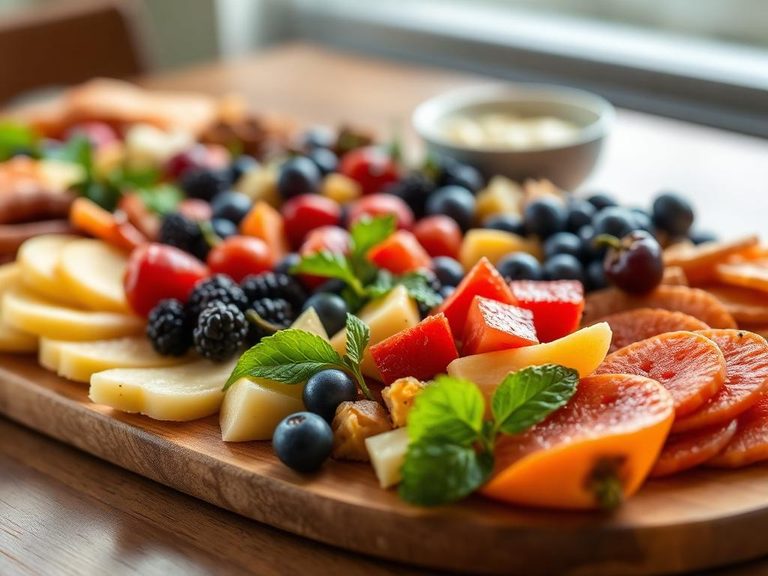
This is a versatile and popular ingredient often found in both sweet and savory dishes, such as fruit salads and charcuterie boards. It typically consists of thinly sliced, cured pork products like prosciutto, salami, or ham, which are salted, dried, and aged to develop a rich, savory flavor. While its origins are deeply rooted in European culinary traditions, particularly in Italy, France, and Spain, it is now enjoyed worldwide.
🍽️ Nutrition at a glance
This ingredient is generally high in protein and fat, with minimal carbohydrates. It provides a good source of essential nutrients like iron, zinc, and B vitamins, particularly B12, and a typical serving can range from 100 to 200 calories depending on the specific type and portion size.
Nutrition breakdown
| Calories | 110 kcal |
| Protein | 8 g |
| Carbs | 1 g |
| Fat | 8 g |
| Fiber | 0 g |
| Sugar | 0 g |
| Sodium | 450 mg |
| Iron | 1.2 mg |
| Zinc | 1.5 mg |
| Vitamin B12 | 0.4 mcg |
| Niacin (B3) | 3.5 mg |
| Phosphorus | 100 mg |
| Selenium | 10 mcg |
| Potassium | 150 mg |
| Thiamine (B1) | 0.15 mg |
Per 1 ounce (28 g) · estimated, varies by recipe
💡 What's interesting
Culturally, it's a cornerstone of Mediterranean diets and is often served as an appetizer or part of a shared platter, emphasizing communal eating. Nutritionally, its fermentation and curing process can create beneficial probiotics and make certain nutrients more bioavailable.
🍽️ Related dishes
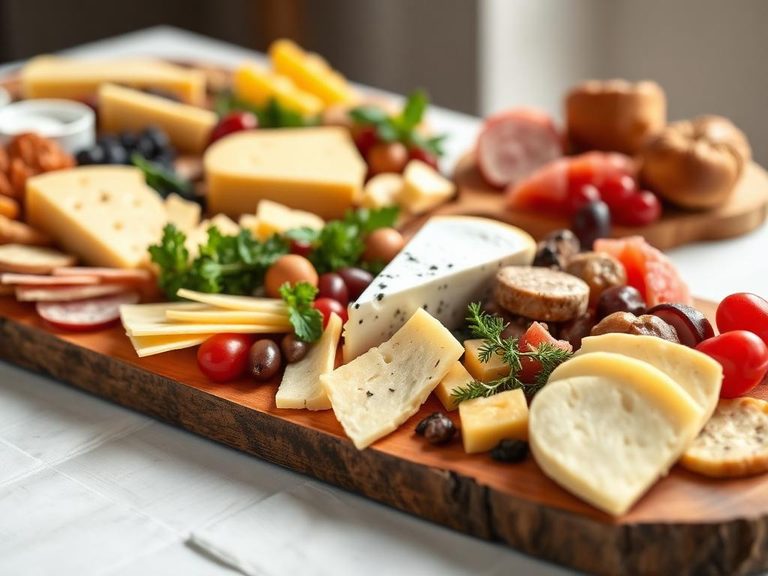 Cheese and charcuterie boards
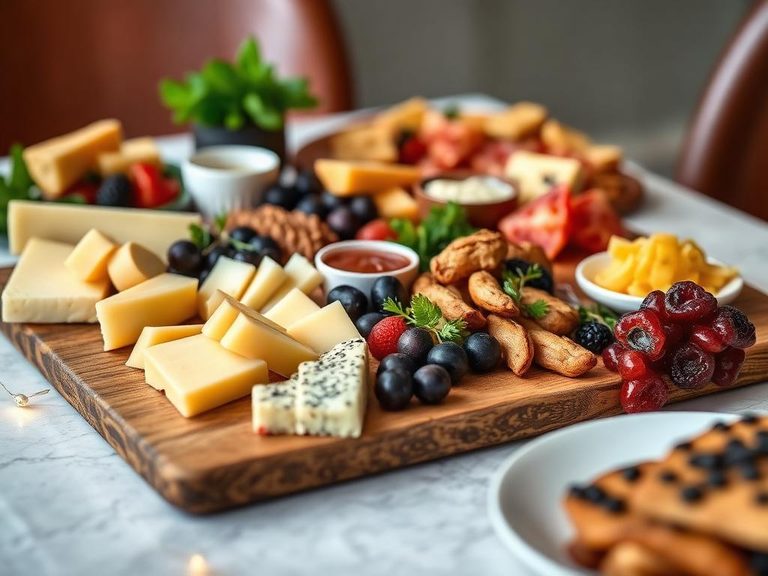 Paired with cheese and charcuterie boards
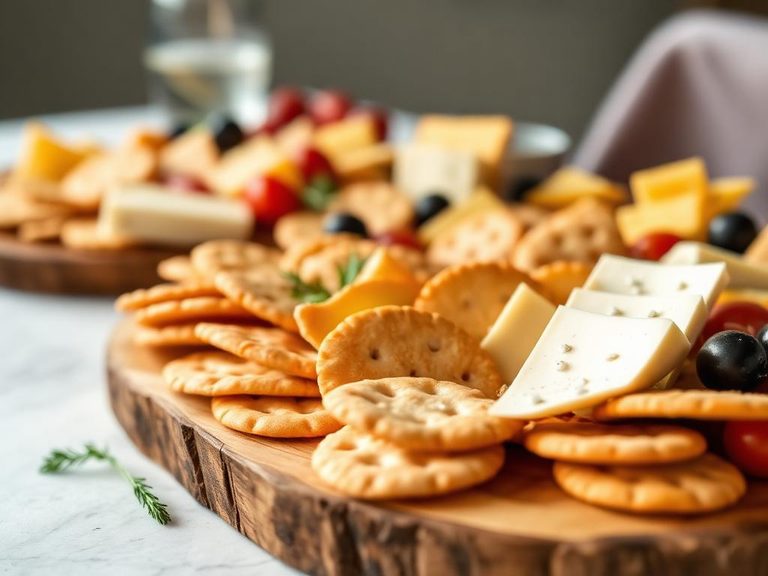 Crackers with cheese and charcuterie boards
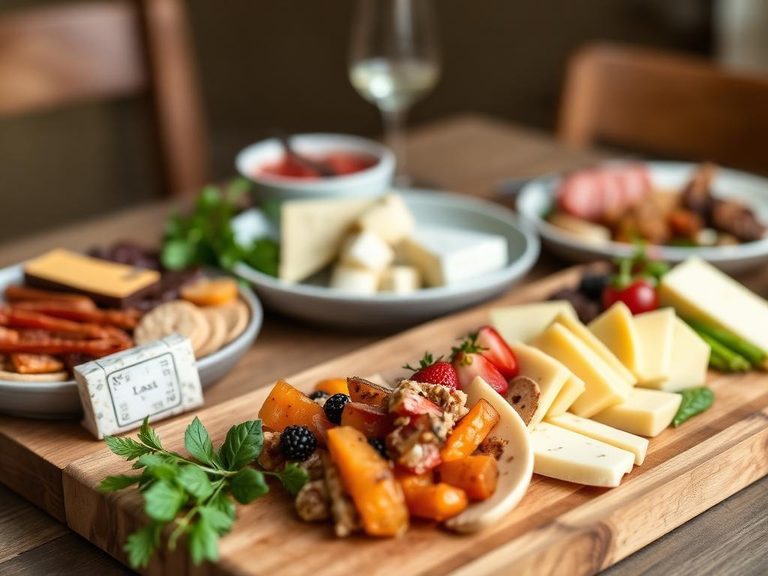 Added to cheese boards or charcuterie plates
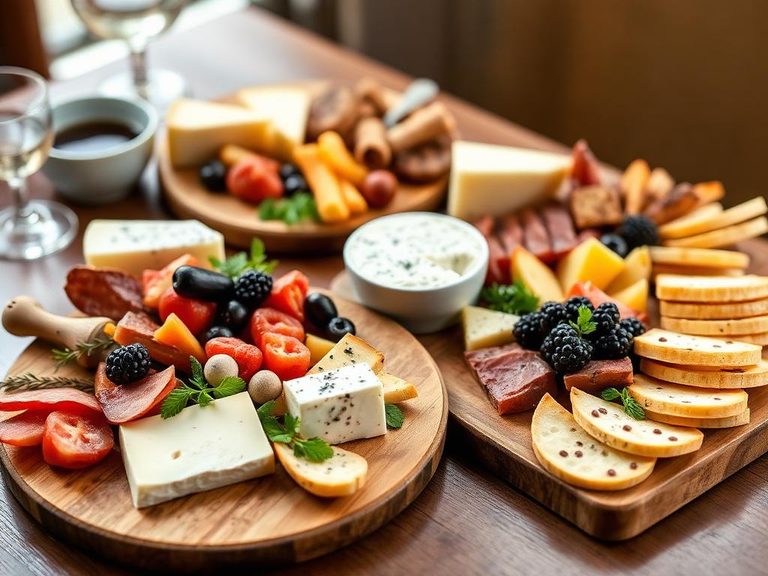 Served with cheese boards and charcuterie
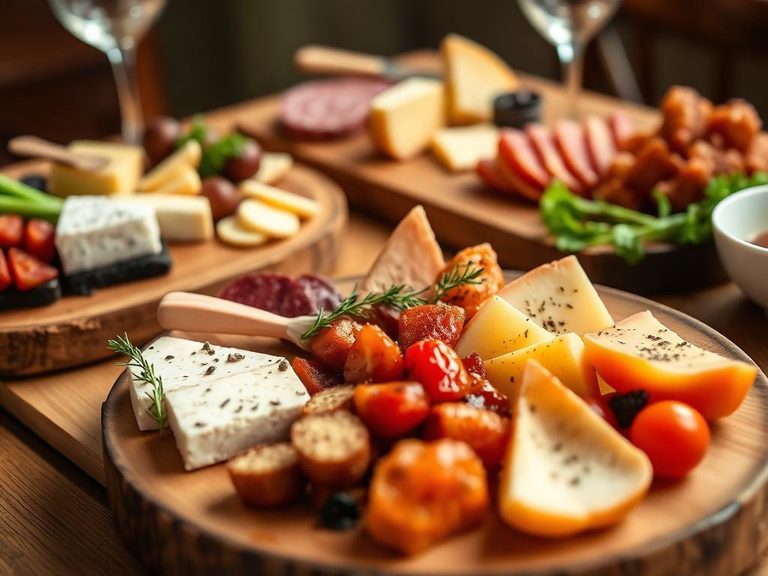 Served alongside cheese boards and charcuterie
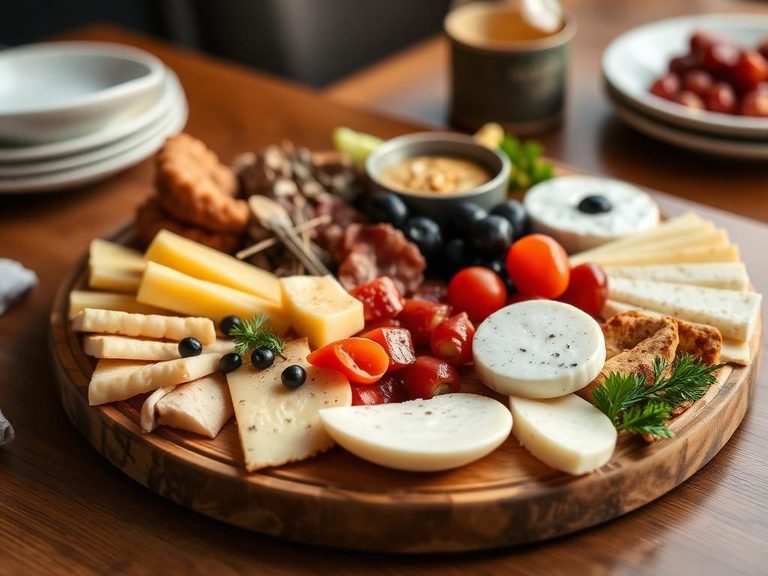 Garnish for cheese boards and charcuterie
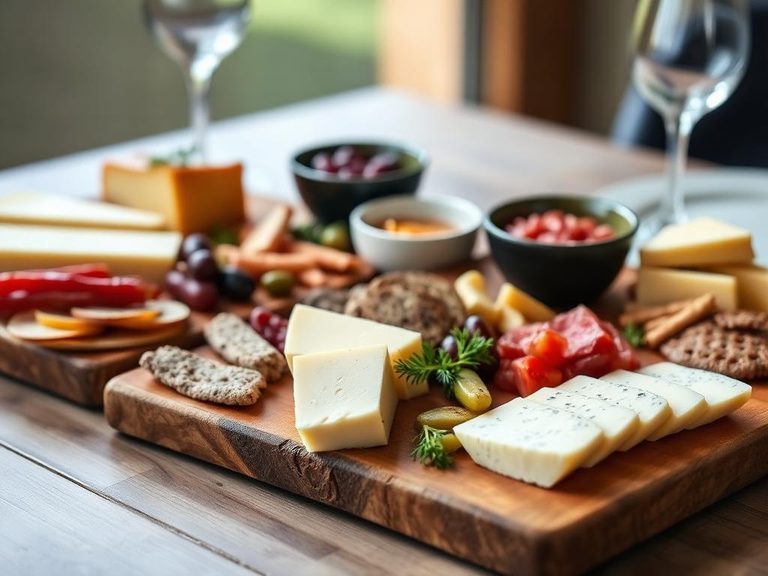 Charcuterie and cheese boards