Homemade energy bar binder
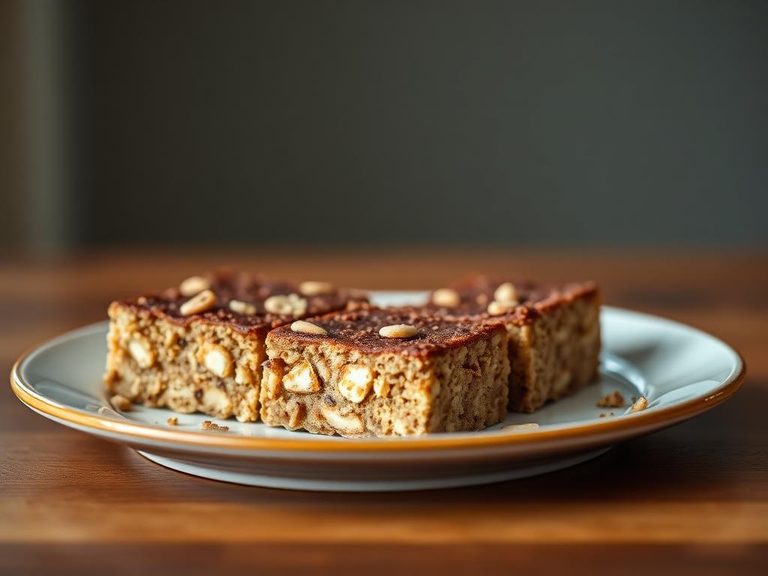
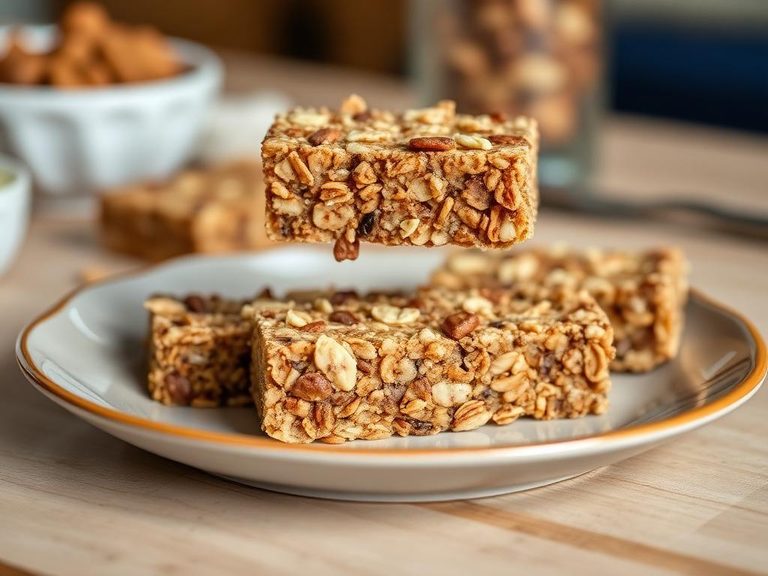
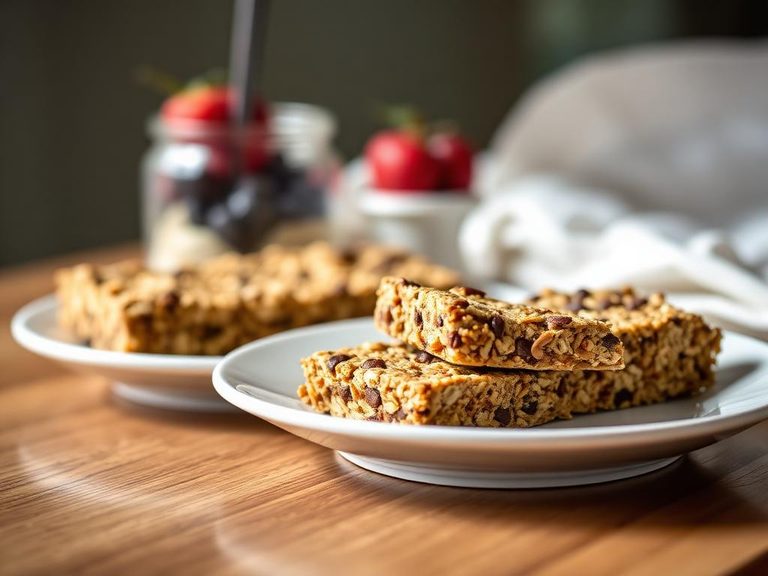
A homemade energy bar binder is not a finished dish but a foundational mixture used to hold together ingredients like oats, nuts, seeds, and dried fruit into no-bake energy bars. It typically consists of a sticky, sweet paste made from ingredients like nut butter, honey or maple syrup, and sometimes mashed banana or dates. This concept is popular in health-conscious and DIY cooking circles, particularly in Western countries like the United States and Australia.
🍽️ Nutrition at a glance
The binder itself is energy-dense, primarily providing carbohydrates for quick energy and healthy fats for sustained fuel, with a moderate amount of plant-based protein. A typical serving of the binder mixture (about 2 tablespoons) contains roughly 150-200 calories.
Nutrition breakdown
| Calories | 170 kcal |
| Protein | 5 g |
| Carbs | 18 g |
| Fat | 10 g |
| Fiber | 2 g |
| Sugar | 12 g |
| Sodium | 45 mg |
| Magnesium | 45 mg |
| Potassium | 120 mg |
| Iron | 1.2 mg |
| Vitamin E | 2.5 mg |
| Niacin (B3) | 2 mg |
| Manganese | 0.5 mg |
| Copper | 0.3 mg |
| Phosphorus | 80 mg |
Per 2 tablespoons (32 g) · estimated, varies by recipe
💡 What's interesting
This binder is nutritionally interesting as it acts as a concentrated source of natural sugars and fats, designed to provide a quick and sustained energy boost, making it a popular pre-workout or hiking snack component. Culturally, it represents a shift towards whole-food, customizable nutrition, allowing people to control ingredients and avoid preservatives found in commercial bars.