

Hiking or camping trail snack

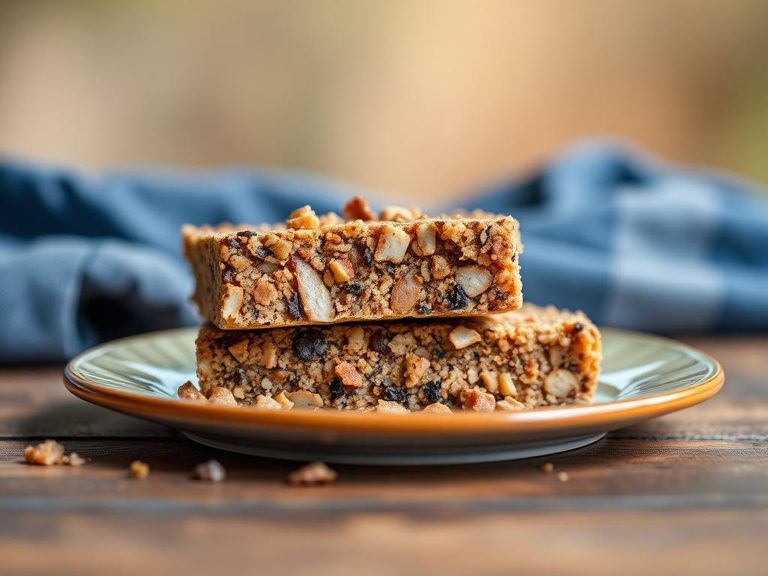
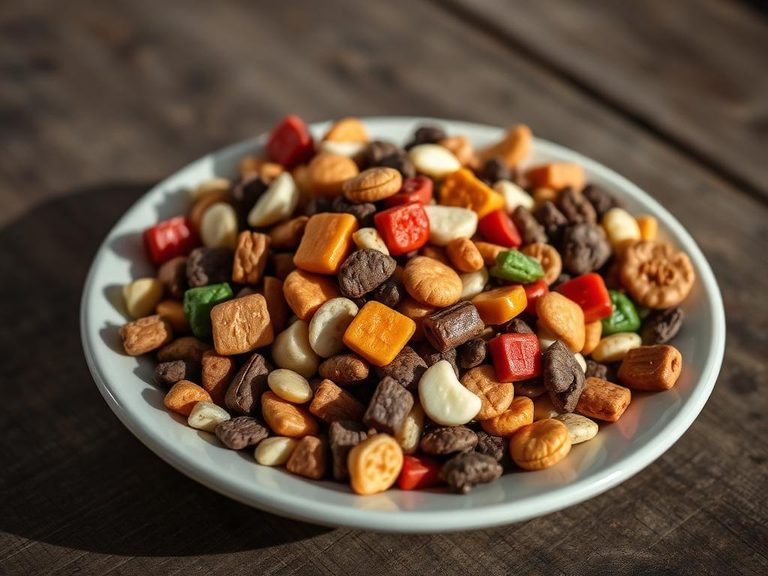
A 'hiking or camping trail snack' isn't a single dish but a category of portable, non-perishable foods designed for outdoor adventures. Common examples include trail mix (nuts, seeds, dried fruit), energy bars, jerky, and hard cheeses. These snacks are staples in outdoor cultures worldwide, from American hiking trails to European alpine treks.
🍽️ Nutrition at a glance
Trail snacks are typically engineered for sustained energy, offering a balanced mix of complex carbohydrates for fuel, healthy fats for endurance, and protein for muscle repair. A typical serving can range from 150 to 300 calories, providing key nutrients like fiber, iron, and electrolytes to support physical exertion.
Nutrition breakdown
| Calories | 180 kcal |
| Protein | 5 g |
| Carbs | 20 g |
| Fat | 9 g |
| Fiber | 3 g |
| Sugar | 8 g |
| Sodium | 150 mg |
| Potassium | 200 mg |
| Iron | 2 mg |
| Magnesium | 40 mg |
| Phosphorus | 80 mg |
| Vitamin E | 3 mg |
| Manganese | 0.8 mg |
| Copper | 0.3 mg |
| Zinc | 1.5 mg |
Per 1/4 cup (40 g) · estimated, varies by recipe
💡 What's interesting
What's unique is their functional design: they are lightweight, calorie-dense, and resistant to spoilage without refrigeration. Nutritionally, they are a practical application of macronutrient timing, combining quick-energy sugars from fruits with slow-release energy from nuts to fuel long-duration activities.
🍽️ Related dishes



AI estimate may be inaccurate · Terms