Herring Egg with Kelp
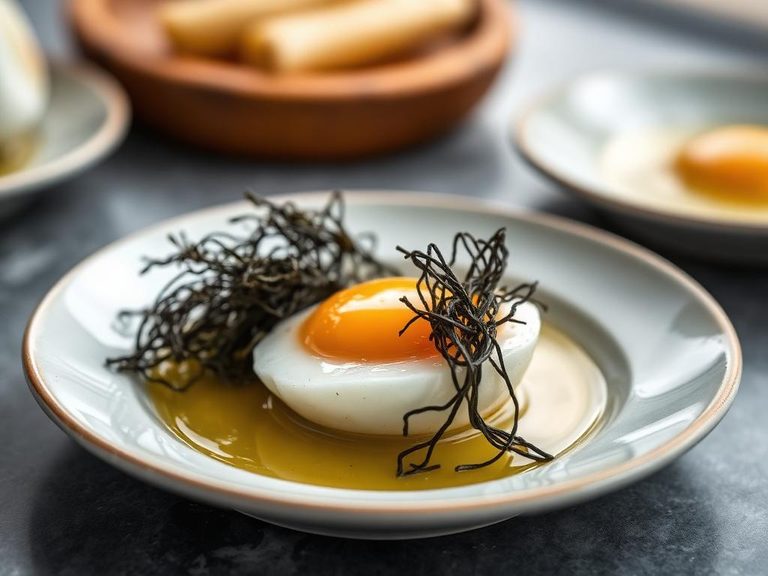
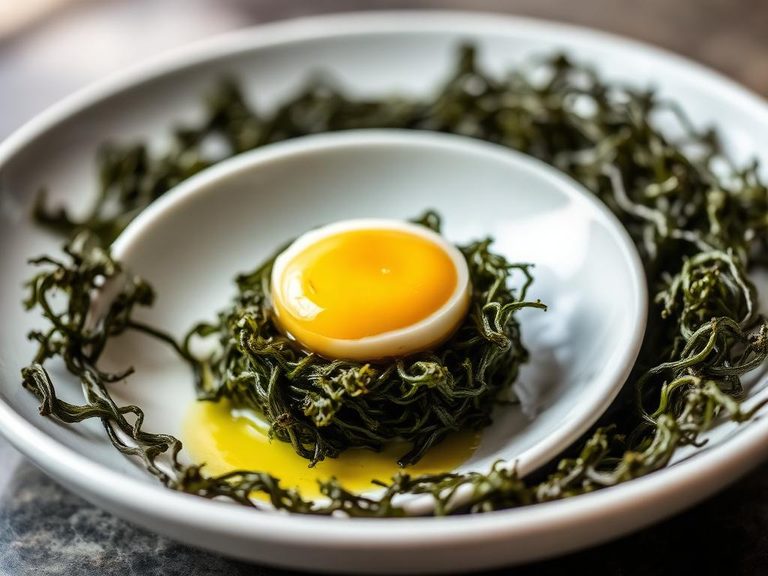
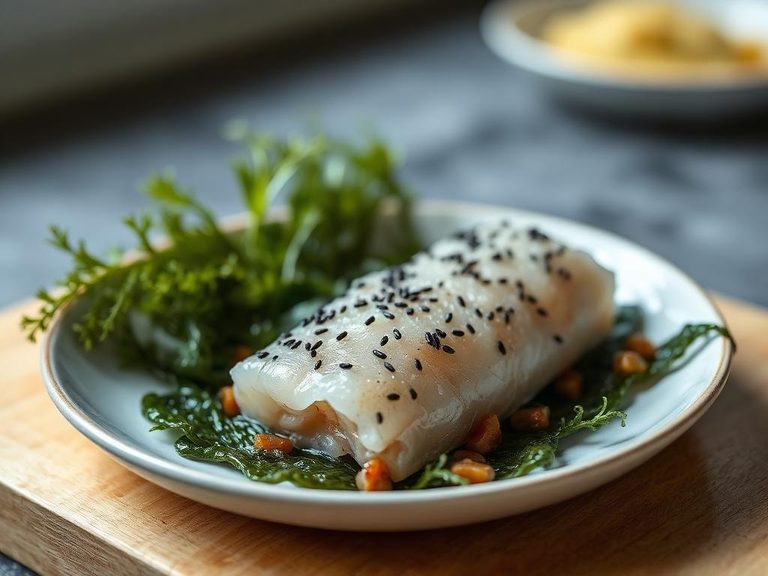
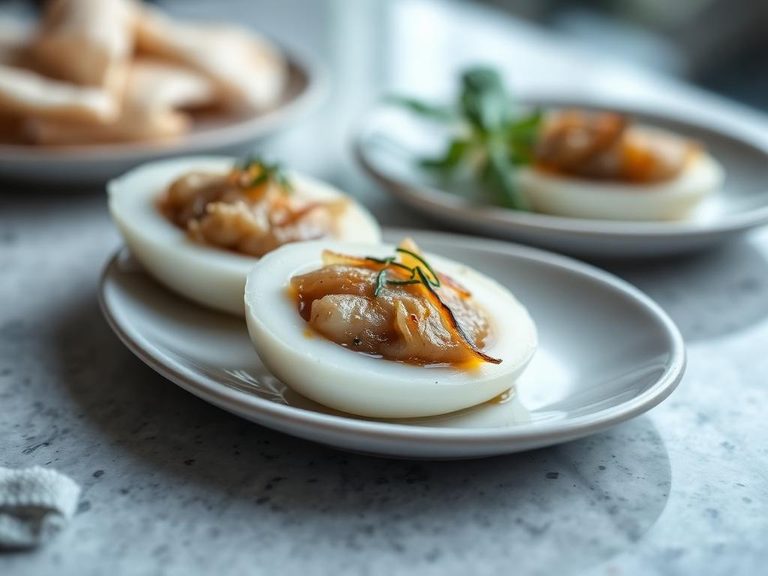
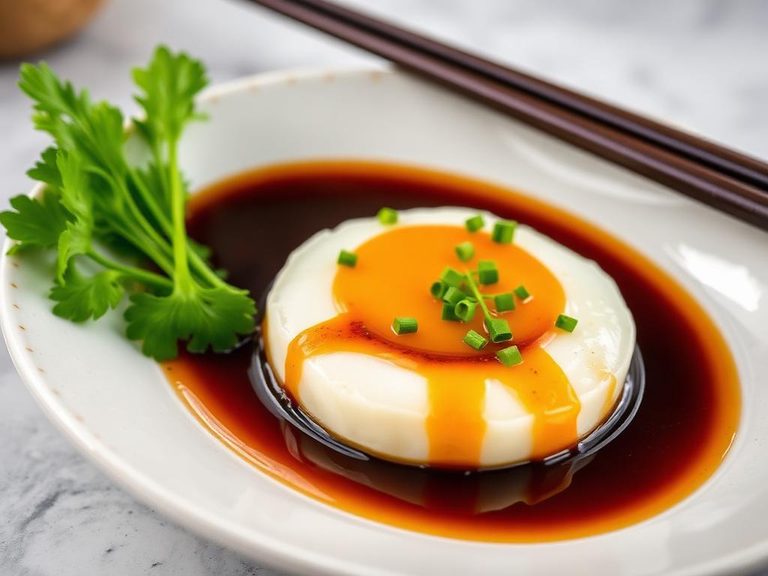
Herring Egg with Kelp is a traditional Japanese side dish, often served during New Year celebrations (Osechi-ryori). It typically consists of herring roe (kazunoko) simmered in a savory-sweet broth made with kelp (kombu) dashi, soy sauce, and mirin, resulting in a dish with a distinctive crunchy texture.
🍽️ Nutrition at a glance
This dish is high in protein and healthy fats, providing a good source of omega-3 fatty acids, vitamin B12, and iodine. A typical serving contains approximately 150-200 calories.
Nutrition breakdown
| Calories | 170 kcal |
| Protein | 14 g |
| Carbs | 6 g |
| Fat | 9 g |
| Fiber | 0.5 g |
| Sugar | 4 g |
| Sodium | 480 mg |
| Vitamin B12 | 8.0 mcg |
| Iodine | 150 mcg |
| Selenium | 25 mcg |
| Phosphorus | 180 mg |
| Omega-3 (EPA+DHA) | 1.2 g |
| Vitamin D | 4.0 mcg |
| Zinc | 1.5 mg |
| Iron | 1.0 mg |
Per 1/2 cup (120 g) · estimated, varies by recipe
💡 What's interesting
Culturally, the herring roe symbolizes fertility and prosperity in Japanese tradition, making it a symbolic food for the New Year. Nutritionally, the combination of herring roe and kelp creates a unique synergy of marine-based nutrients, offering a concentrated source of both trace minerals and high-quality protein.