Herring roe on kelp
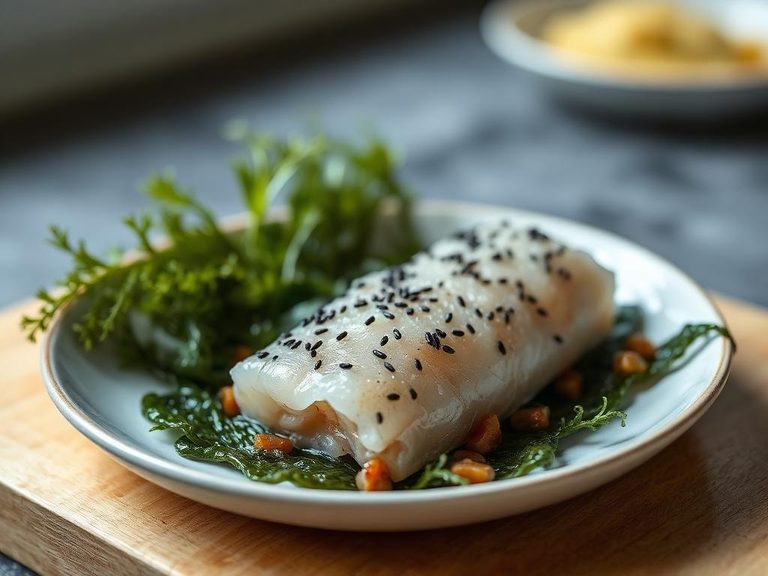
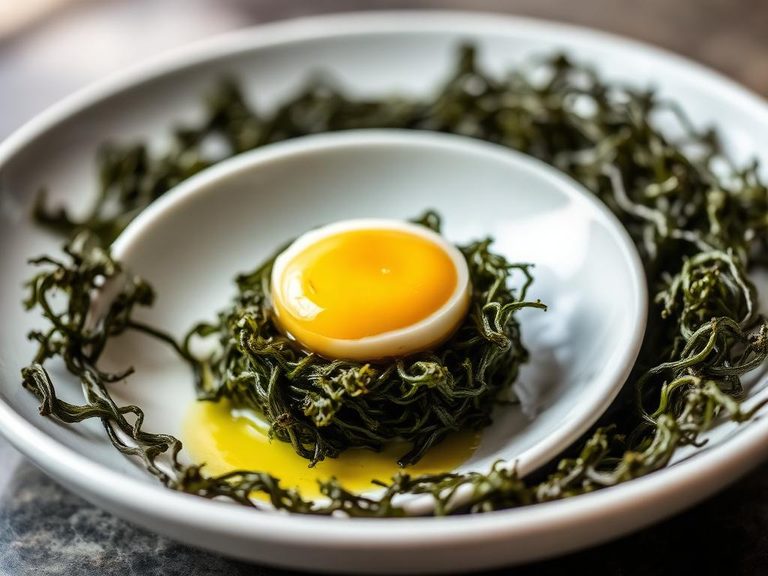
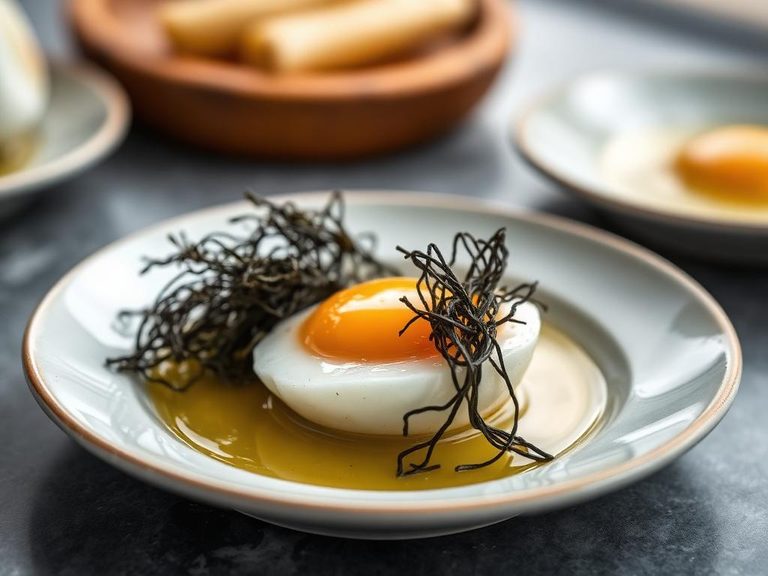
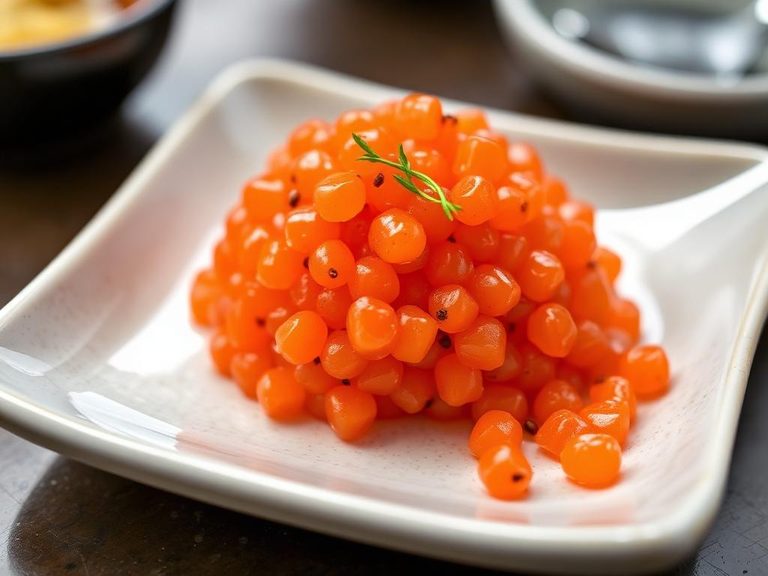
Herring roe on kelp, known as 'kazunoko kombu' in Japanese, is a traditional dish where herring roe is simmered and seasoned in a dashi-based broth and then served on a sheet of kombu kelp. It's a staple of Osechi-ryori, the traditional Japanese New Year's cuisine, symbolizing fertility and prosperity. The dish is celebrated for its unique combination of textures and savory, umami-rich flavor.
🍽️ Nutrition at a glance
This dish is a high-protein, low-carbohydrate food, providing a significant amount of omega-3 fatty acids from the herring roe. A typical serving offers a good source of iodine and minerals from the kelp, with a calorie count generally in the range of 150-200 kcal.
Nutrition breakdown
| Calories | 160 kcal |
| Protein | 18 g |
| Carbs | 4 g |
| Fat | 8 g |
| Fiber | 2 g |
| Sugar | 1 g |
| Sodium | 680 mg |
| Iodine | 150 mcg |
| Vitamin B12 | 4.5 mcg |
| Selenium | 22 mcg |
| Phosphorus | 250 mg |
| Omega-3 (EPA+DHA) | 1.2 g |
| Iron | 1.8 mg |
| Zinc | 1.5 mg |
| Manganese | 0.3 mg |
Per 1 piece (approx. 100 g) · estimated, varies by recipe
💡 What's interesting
Culturally, kazunoko kombu is deeply symbolic; the herring roe represents a wish for many children and family prosperity, while the kelp ('kobu') is a pun on the Japanese word for joy ('yorokobu'). Nutritionally, it's a unique fusion of marine superfoods, combining the high-quality protein and healthy fats of fish eggs with the mineral-dense, fiber-rich properties of seaweed.