

Herb-infused vinegar
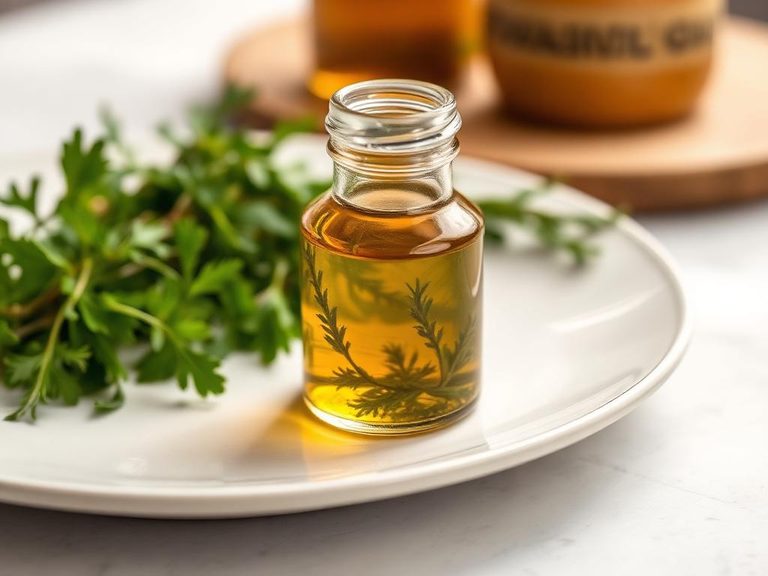
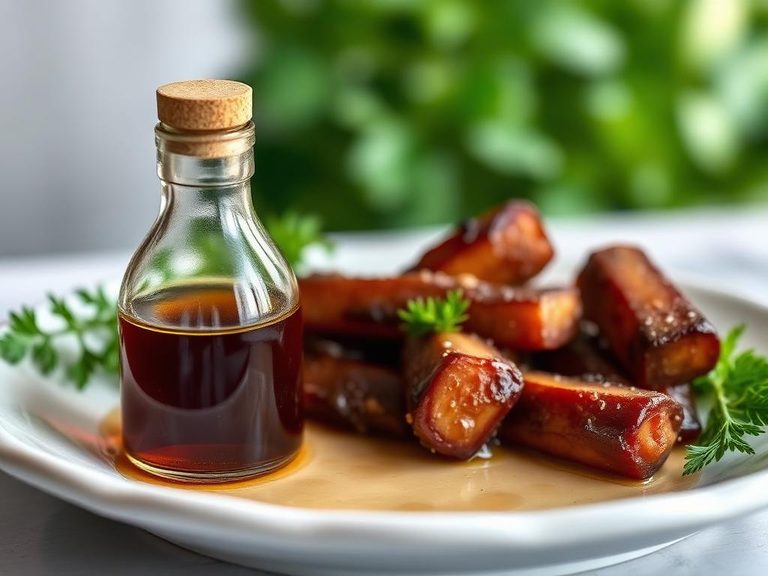
Herb-infused vinegar is a flavorful condiment made by steeping fresh or dried herbs like rosemary, thyme, or basil in vinegar, often with added garlic or citrus peel. This process imparts aromatic, earthy notes to the acidic base. It is a common preparation in Mediterranean and European cuisines, used for dressings, marinades, and dipping.
🍽️ Nutrition at a glance
Herb-infused vinegar is virtually fat-free and contains negligible carbohydrates and protein. Its primary nutritional contribution comes from trace minerals and antioxidants derived from the herbs, with a very low calorie count, typically under 10 calories per serving.
Nutrition breakdown
| Calories | 3 kcal |
| Protein | 0 g |
| Carbs | 0.5 g |
| Fat | 0 g |
| Fiber | 0 g |
| Sugar | 0 g |
| Sodium | 0 mg |
| Manganese | 0.1 mg |
| Potassium | 10 mg |
| Iron | 0.1 mg |
| Calcium | 5 mg |
| Magnesium | 1 mg |
Per 1 tablespoon (15 g) · estimated, varies by recipe
💡 What's interesting
Culturally, it's a simple way to preserve seasonal herbs and create a versatile kitchen staple. Nutritionally, the infusion can extract beneficial polyphenols from herbs, adding a layer of antioxidants to the vinegar's natural acetic acid.
🍽️ Related dishes

AI estimate may be inaccurate · Terms