Greek cardoon pie
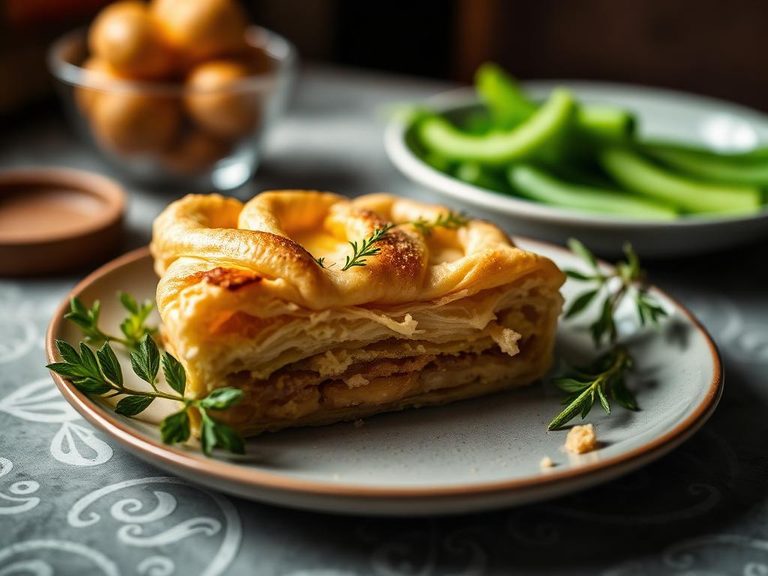
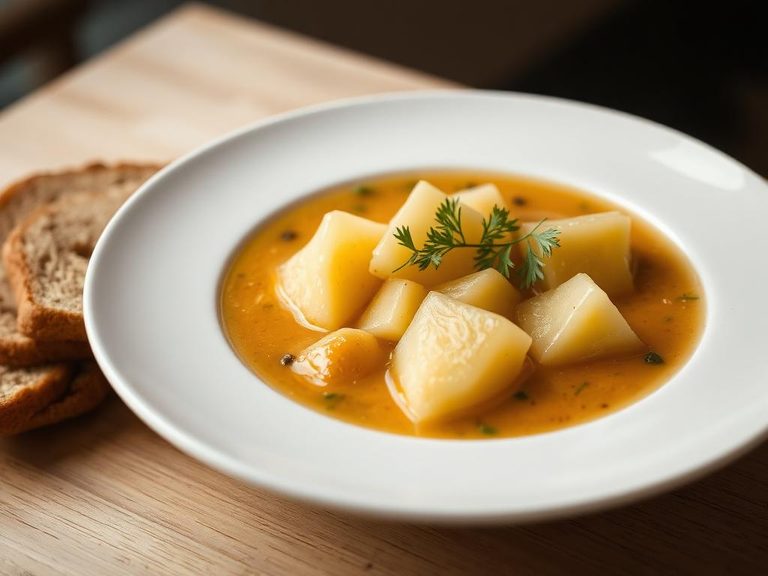
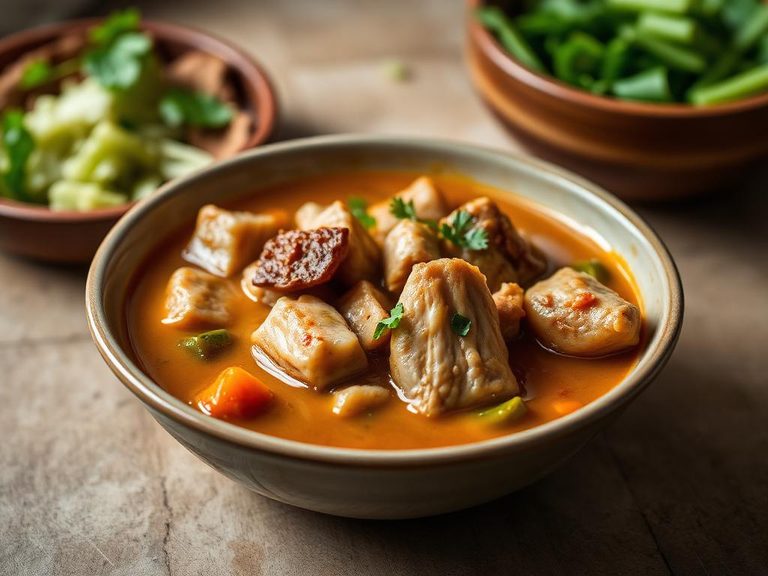
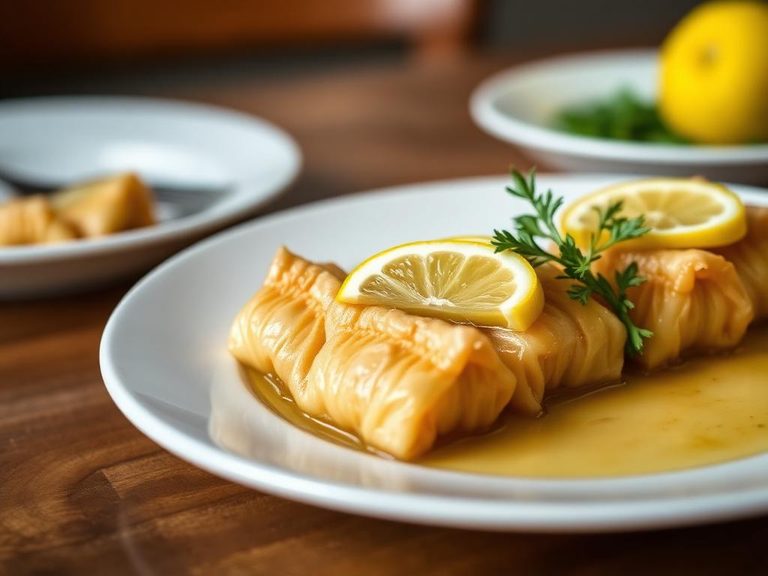
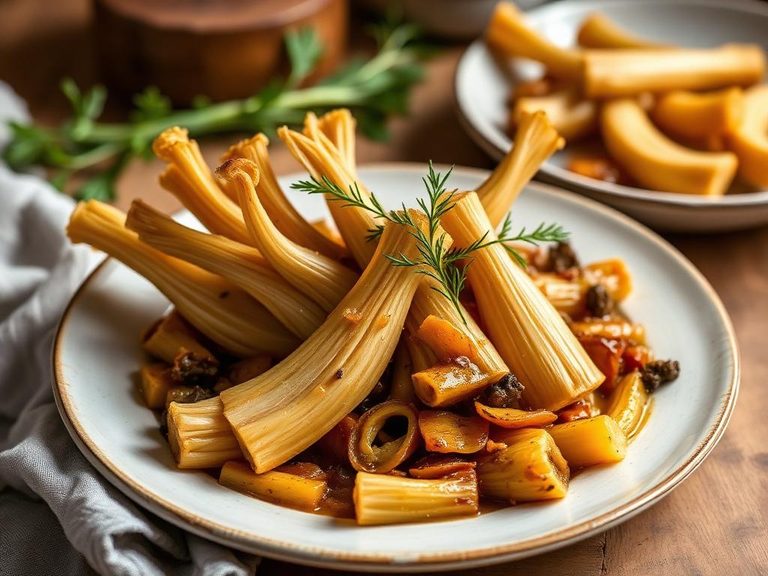
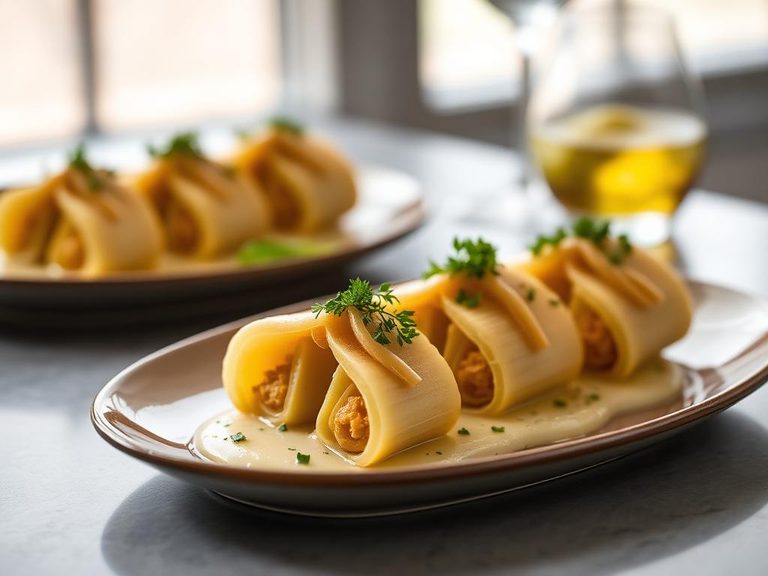
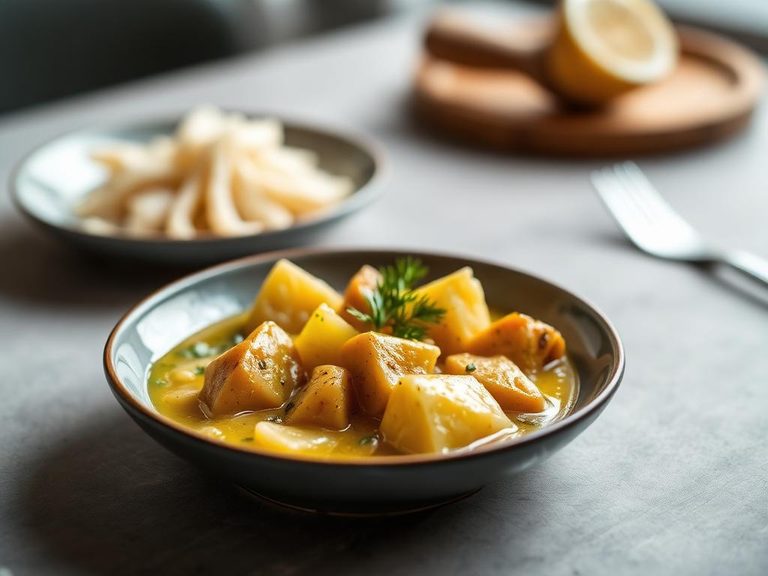
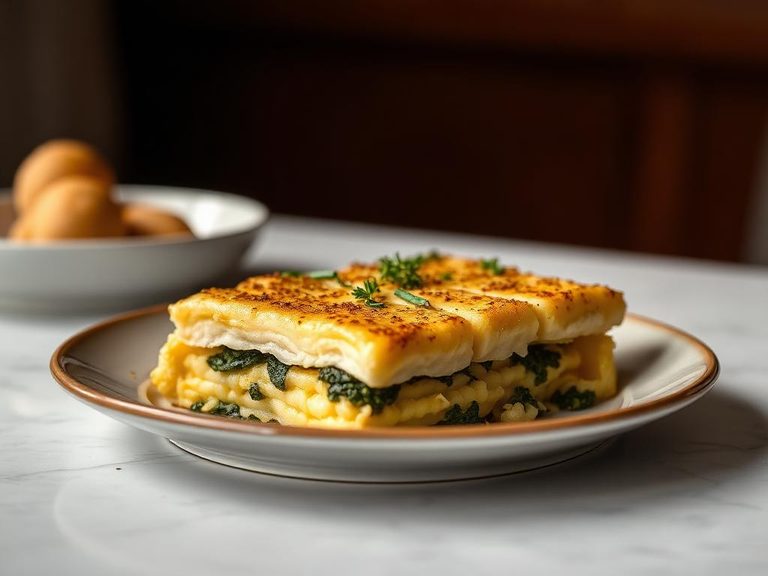
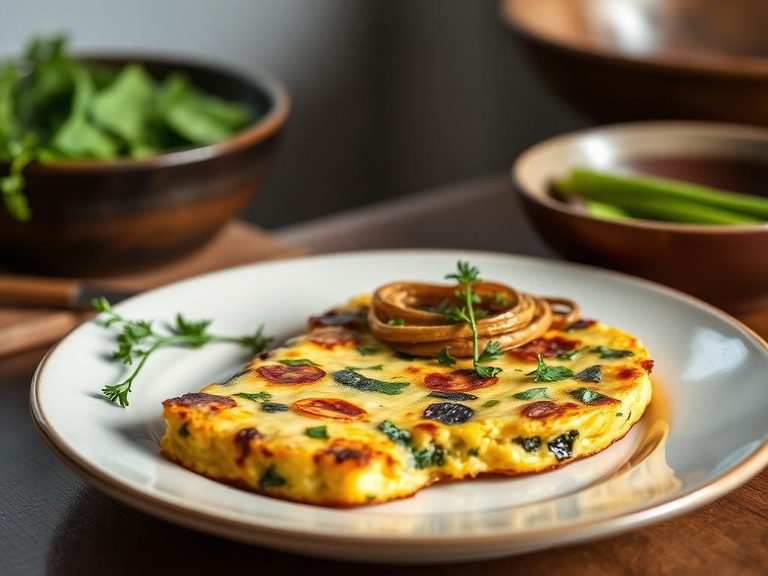
Greek cardoon pie, known as 'aginaria' or 'kapounopita', is a savory, rustic pie from Greece, particularly popular in regions like the Peloponnese and Crete. It features the fibrous, artichoke-like stalks of the cardoon plant as the star ingredient, typically mixed with herbs like dill and mint, and sometimes feta cheese, all encased in flaky phyllo or a rustic dough.
🍽️ Nutrition at a glance
This pie is a balanced dish, offering moderate carbohydrates from the pastry, plant-based protein from the cardoon and any added cheese, and healthy fats from olive oil. It is a good source of dietary fiber and provides essential minerals like potassium and magnesium, with a typical serving containing around 300-400 calories.
Nutrition breakdown
| Calories | 350 kcal |
| Protein | 9 g |
| Carbs | 38 g |
| Fat | 18 g |
| Fiber | 6 g |
| Sugar | 2 g |
| Sodium | 480 mg |
| Potassium | 420 mg |
| Magnesium | 45 mg |
| Iron | 2.5 mg |
| Calcium | 180 mg |
| Vitamin C | 12 mg |
| Vitamin K | 35 mcg |
| Folate | 60 mcg |
| Manganese | 0.8 mg |
Per 1 slice (180 g) · estimated, varies by recipe
💡 What's interesting
Culturally, cardoon pie is a celebrated example of Greece's 'wild greens' (horta) tradition, foraging for seasonal, bitter greens. Nutritionally, cardoon is unique for being one of the few vegetables rich in inulin, a prebiotic fiber that supports gut health.