

Goose Rillettes
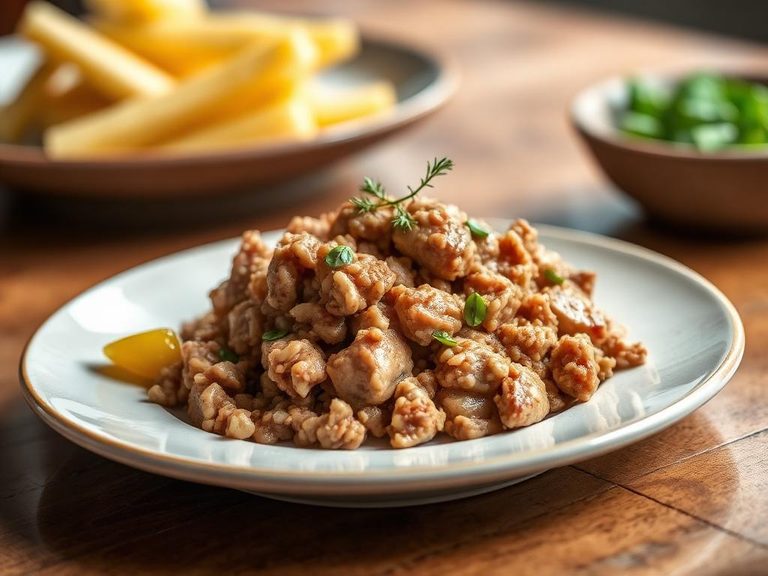
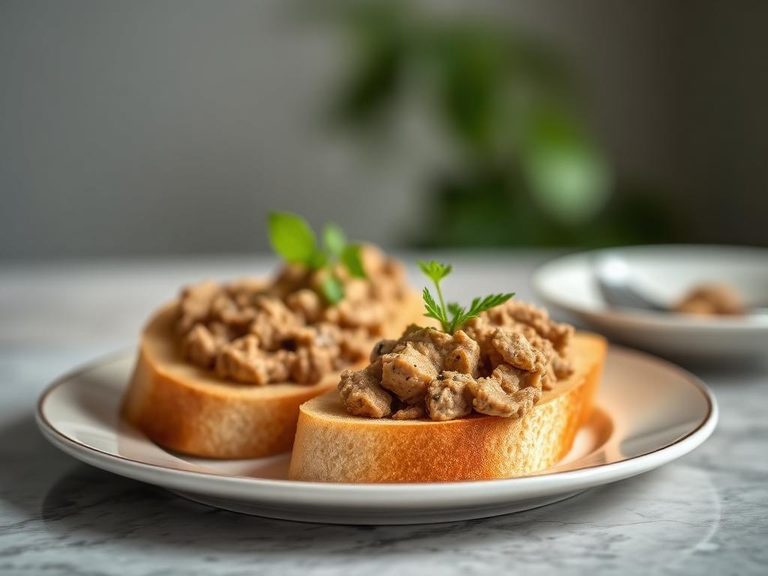
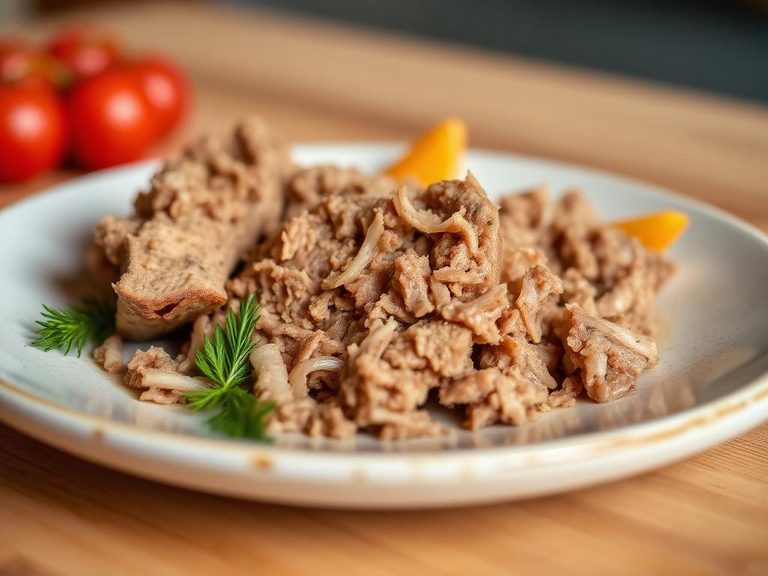
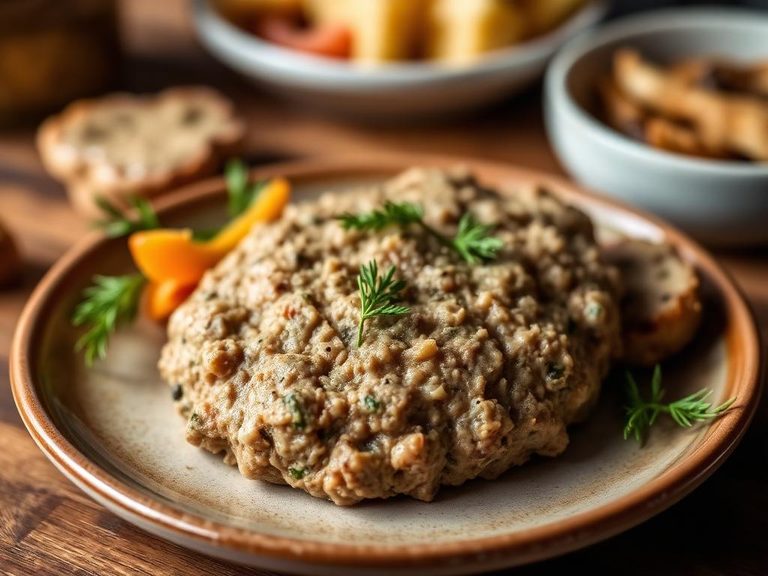
Goose Rillettes is a rich, savory French spread made by slow-cooking goose meat in its own fat until it becomes tender enough to shred and mix with the rendered fat. Originating from the Loire Valley region of France, it is a classic charcuterie item typically seasoned with salt, pepper, and sometimes herbs like thyme or garlic. It is traditionally served cold or at room temperature, spread on crusty bread or toast.
🍽️ Nutrition at a glance
Goose Rillettes is very high in fat, providing a significant source of calories and energy, with a moderate amount of protein. It is low in carbohydrates and offers essential nutrients like iron and vitamin B12, with a rough calorie count of about 250-300 kcal per 50-gram serving.
Nutrition breakdown
| Calories | 270 kcal |
| Protein | 12 g |
| Carbs | 0 g |
| Fat | 24 g |
| Fiber | 0 g |
| Sugar | 0 g |
| Sodium | 450 mg |
| Iron | 1.5 mg |
| Vitamin B12 | 0.8 mcg |
| Zinc | 1.8 mg |
| Selenium | 12 mcg |
| Phosphorus | 150 mg |
| Niacin (B3) | 3.5 mg |
| Vitamin B6 | 0.3 mg |
| Potassium | 200 mg |
Per 50 g (about 2 tablespoons) · estimated, varies by recipe
💡 What's interesting
Culturally, rillettes are a centuries-old method of preserving meat in France, often made with pork or duck, but the goose version is particularly prized for its rich, buttery flavor. Nutritionally, while high in fat, the fat is primarily monounsaturated (from the goose), which is considered heart-healthy compared to saturated fats.
🍽️ Related dishes
AI estimate may be inaccurate · Terms