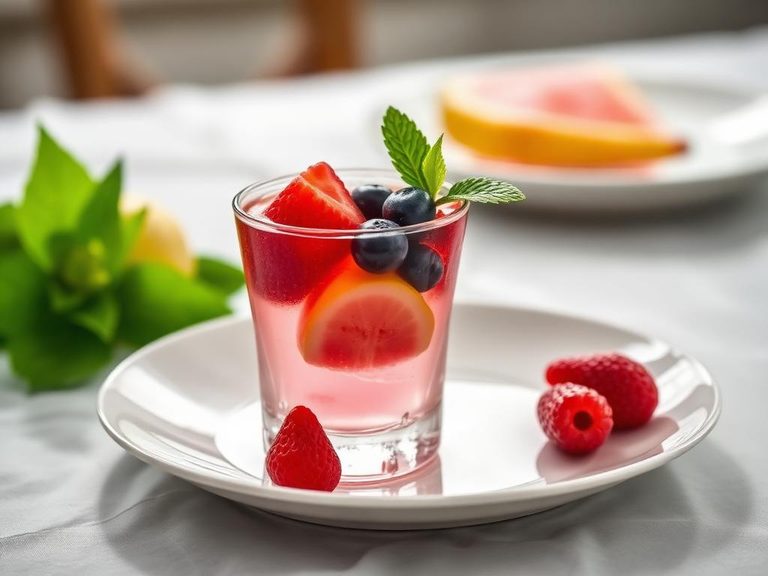
Gelatin Cups with Fruit
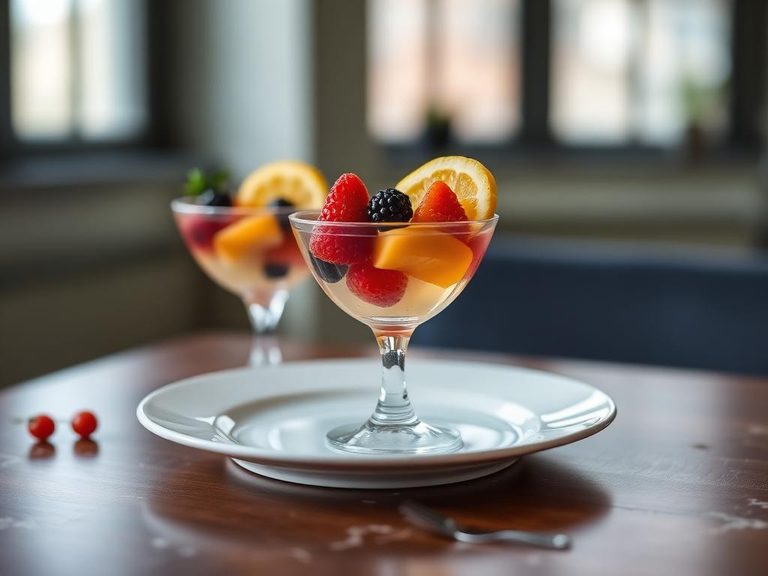
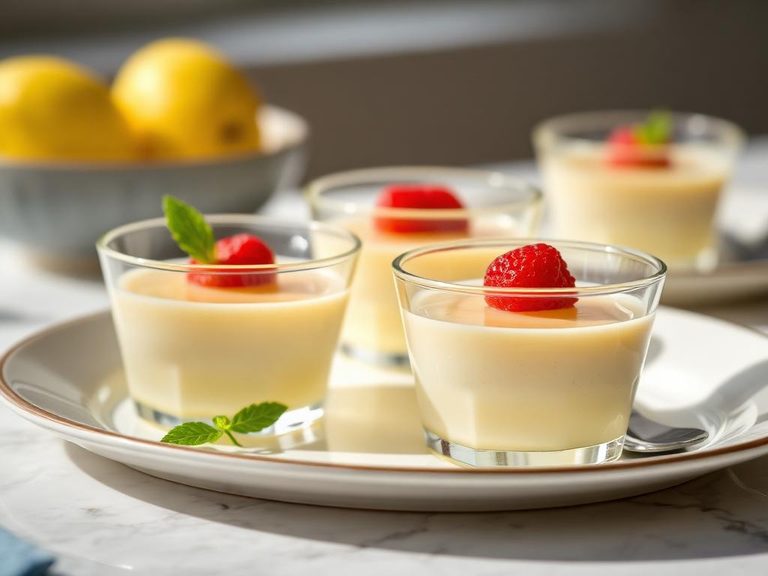
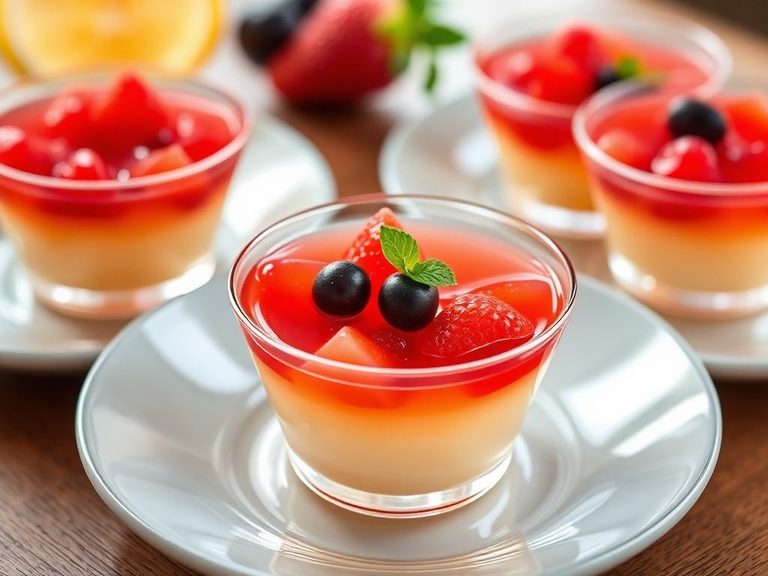
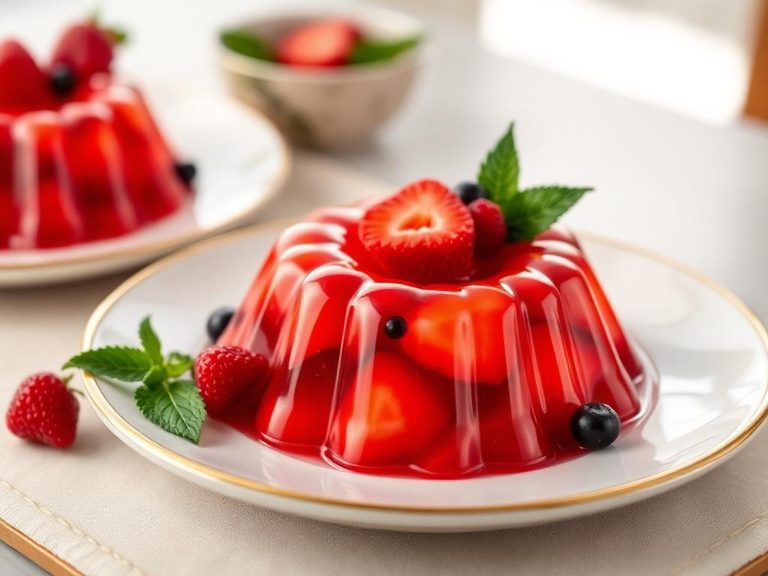
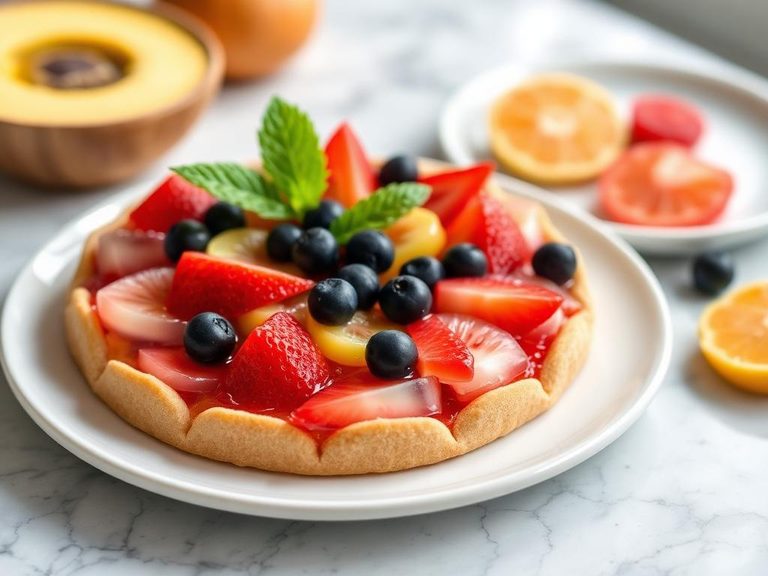
Gelatin Cups with Fruit are a light, refreshing dessert made by suspending colorful pieces of fresh or canned fruit in sweetened gelatin, often served in individual cups or molds. They are a popular, easy-to-make treat at picnics, parties, and family gatherings, especially in North American and European cuisines. The base typically includes flavored gelatin powder, water, and a variety of fruits like berries, pineapple, or peaches.
🍽️ Nutrition at a glance
This dish is primarily a source of carbohydrates, coming from the gelatin's added sugars and the natural sugars in the fruit. It provides minimal protein and fat, but can offer small amounts of vitamins and minerals from the fruit, such as vitamin C and potassium. A standard serving generally contains between 100 to 150 calories.
Nutrition breakdown
| Calories | 120 kcal |
| Protein | 2 g |
| Carbs | 28 g |
| Fat | 0 g |
| Fiber | 1 g |
| Sugar | 24 g |
| Sodium | 60 mg |
| Vitamin C | 10 mg |
| Potassium | 150 mg |
| Calcium | 20 mg |
| Iron | 0.5 mg |
| Phosphorus | 30 mg |
| Magnesium | 10 mg |
Per 1 cup (240 g) · estimated, varies by recipe
💡 What's interesting
Culturally, gelatin desserts became a symbol of convenience and modern home cooking in the mid-20th century. Nutritionally, while not a significant source of nutrients, using real fruit adds fiber and vitamins compared to a plain gelatin dessert, and the high water content can contribute to hydration.