Gelatin Pudding Cups
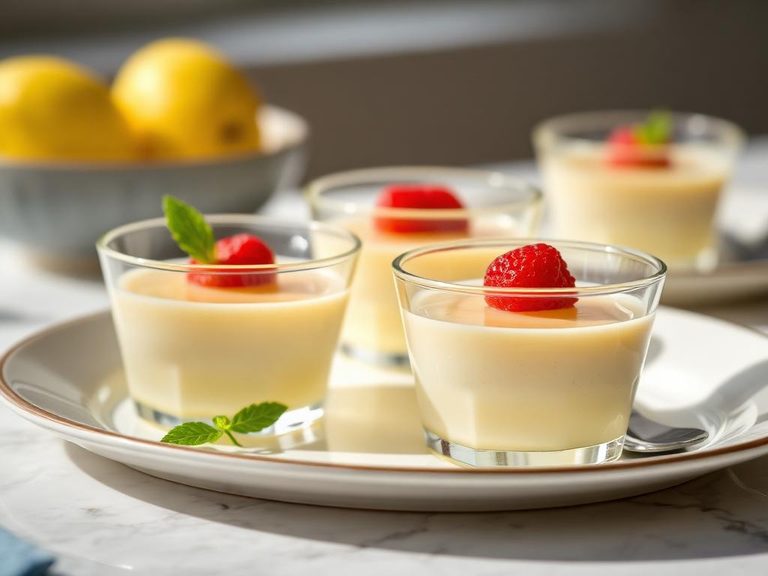
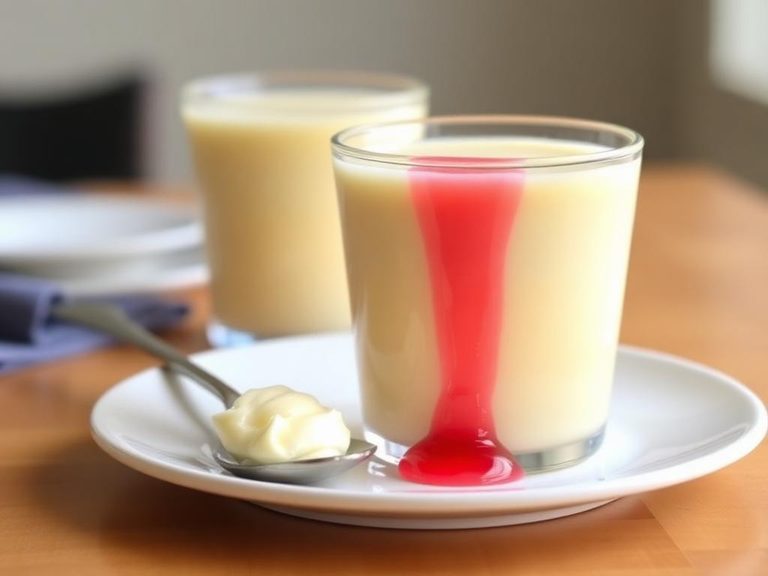
Gelatin pudding cups are pre-packaged, ready-to-eat desserts typically made with flavored gelatin, milk or cream, and sugar, often containing small, chewy bits like tapioca or fruit pieces. They are a popular convenience snack, especially for children, and are widely available in supermarkets across North America and other regions.
🍽️ Nutrition at a glance
These cups are generally high in carbohydrates from added sugars and gelatin, with minimal protein or fat unless made with dairy. A standard 113g (4 oz) serving typically contains around 80-120 calories, providing a quick source of energy but limited essential nutrients.
Nutrition breakdown
| Calories | 140 kcal |
| Protein | 1.5 g |
| Carbs | 32 g |
| Fat | 1.5 g |
| Fiber | 0 g |
| Sugar | 28 g |
| Sodium | 180 mg |
| Calcium | 30 mg |
| Iron | 0.5 mg |
| Potassium | 45 mg |
| Vitamin D | 1.5 mcg |
| Vitamin B12 | 0.3 mcg |
| Phosphorus | 40 mg |
| Magnesium | 8 mg |
| Zinc | 0.4 mg |
Per 1 cup (240 g) · estimated, varies by recipe
💡 What's interesting
Culturally, they represent a modern, mass-produced take on traditional milk-based gelatin desserts, offering a playful texture contrast with their jiggly base and chewy inclusions. Nutritionally, they are often fortified with vitamins like Vitamin D and calcium, making them a common, if sugary, vehicle for these nutrients in children's diets.