Fruit Suspended Gelatin
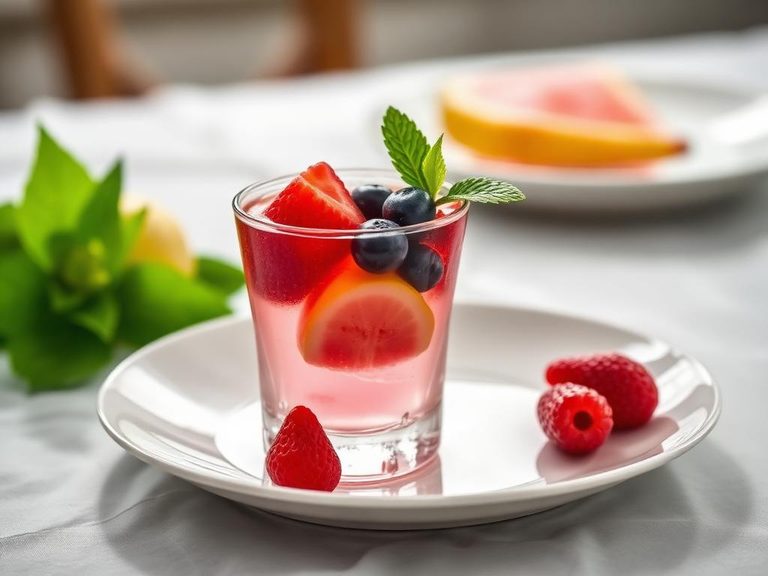
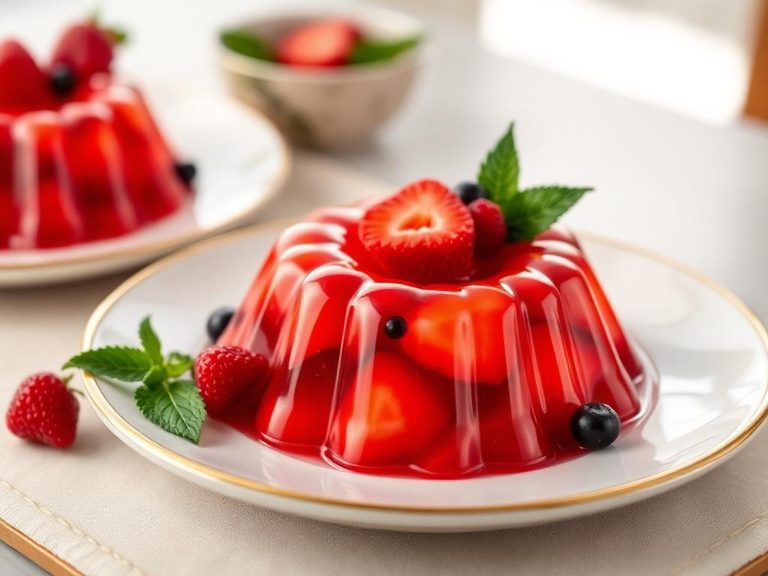
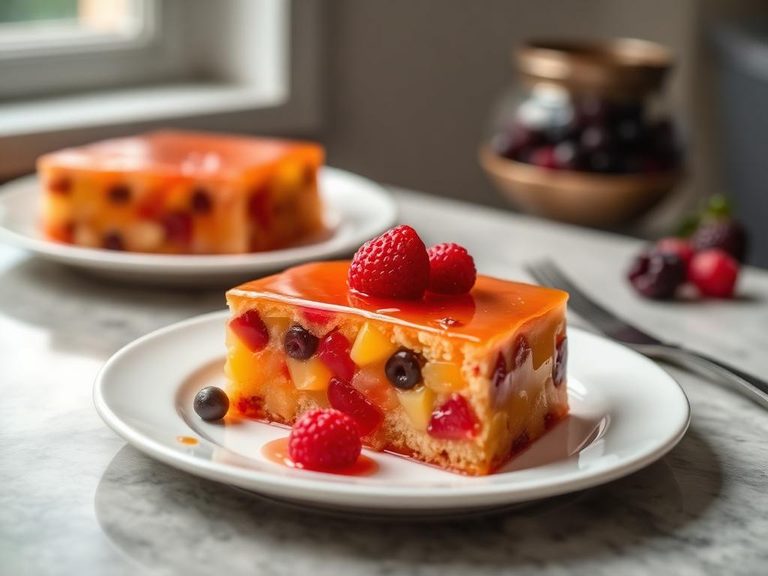
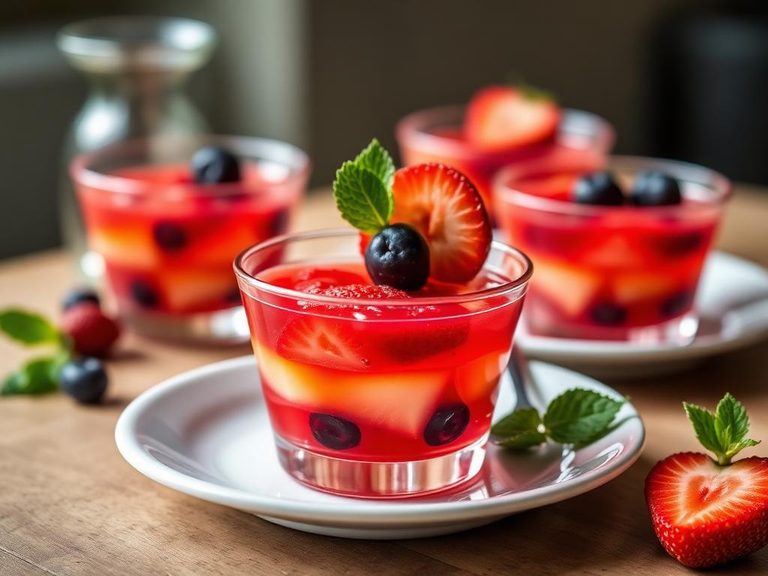
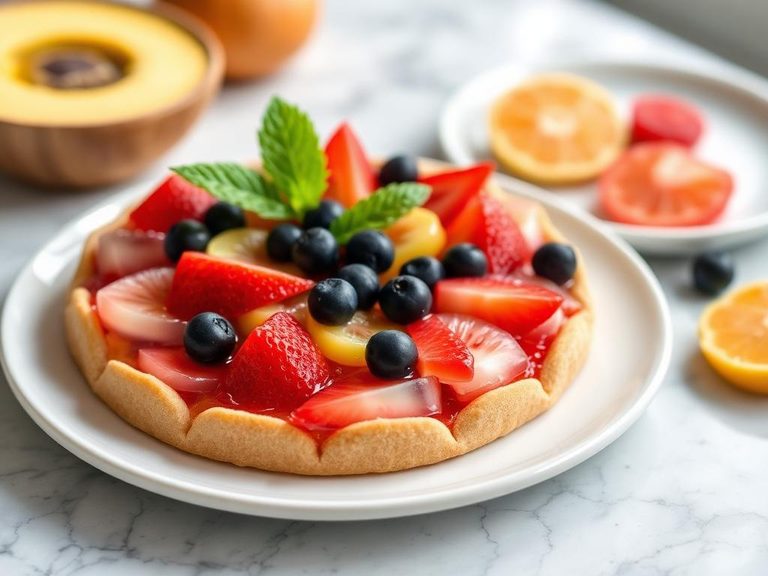
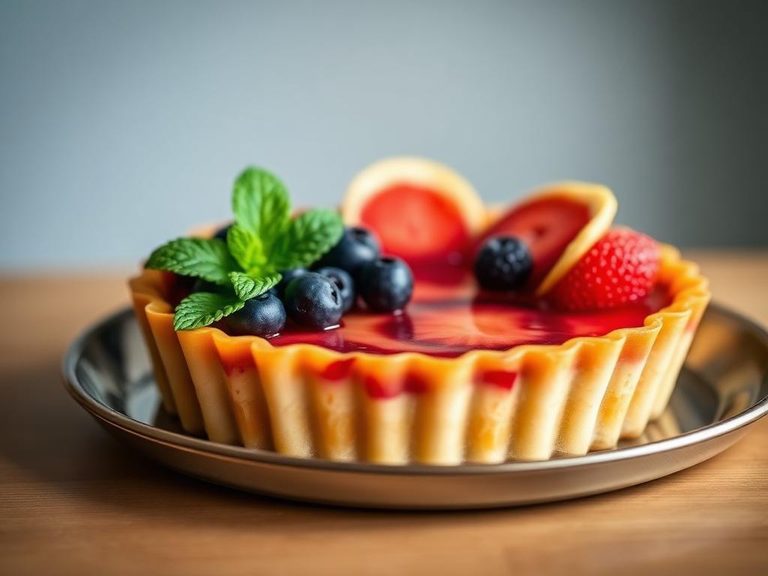
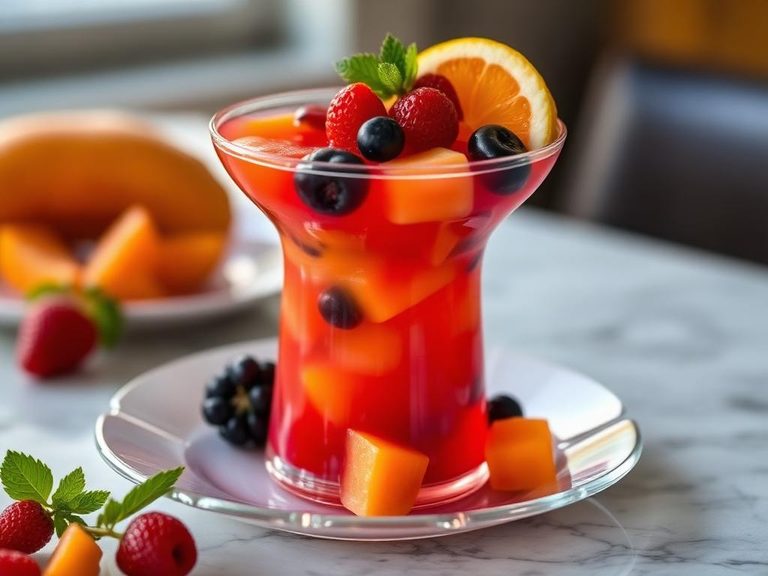
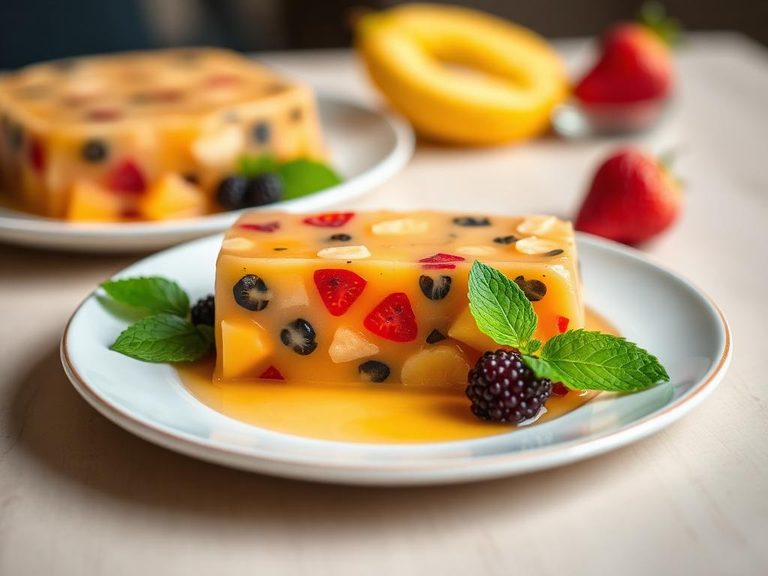
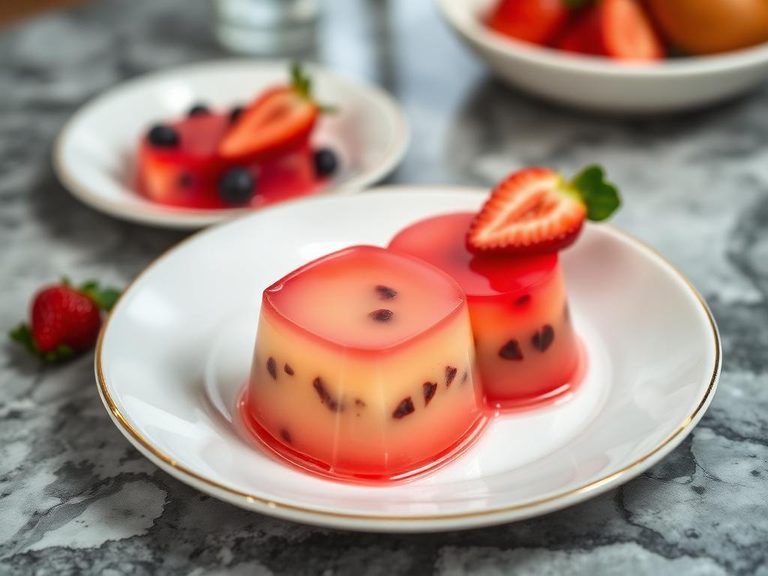
Fruit Suspended Gelatin, often called 'Fruit Jelly' or 'Gelatin Salad', is a colorful dessert made by suspending pieces of various fresh or canned fruits in a clear or fruit-flavored gelatin base. It typically includes ingredients like gelatin powder, water, sugar, and an assortment of fruits such as peaches, pineapple, grapes, and cherries. This dish is a popular, nostalgic treat in many Western households, particularly in the United States, where it became a staple of mid-20th century potlucks and family gatherings.
🍽️ Nutrition at a glance
This dish is primarily high in carbohydrates from the sugar in the gelatin and the natural sugars in the fruit, with negligible fat and protein. It provides some vitamins and minerals from the fruit, such as vitamin C and potassium, and a typical serving contains roughly 100-150 calories.
Nutrition breakdown
| Calories | 120 kcal |
| Protein | 2 g |
| Carbs | 28 g |
| Fat | 0 g |
| Fiber | 1 g |
| Sugar | 24 g |
| Sodium | 50 mg |
| Potassium | 180 mg |
| Vitamin C | 15 mg |
| Calcium | 20 mg |
| Iron | 0.5 mg |
| Vitamin A | 100 IU |
| Phosphorus | 30 mg |
| Magnesium | 15 mg |
| Folate | 20 mcg |
Per 1 cup (240 g) · estimated, varies by recipe
💡 What's interesting
Culturally, this dessert is a fascinating example of how convenience foods like powdered gelatin transformed home cooking in the post-WWII era, becoming a symbol of modern, effortless entertaining. Nutritionally, its unique appeal lies in its ability to make fruit consumption fun and visually appealing, especially for children, though it is often considered more of a sweet treat than a health food due to its sugar content.