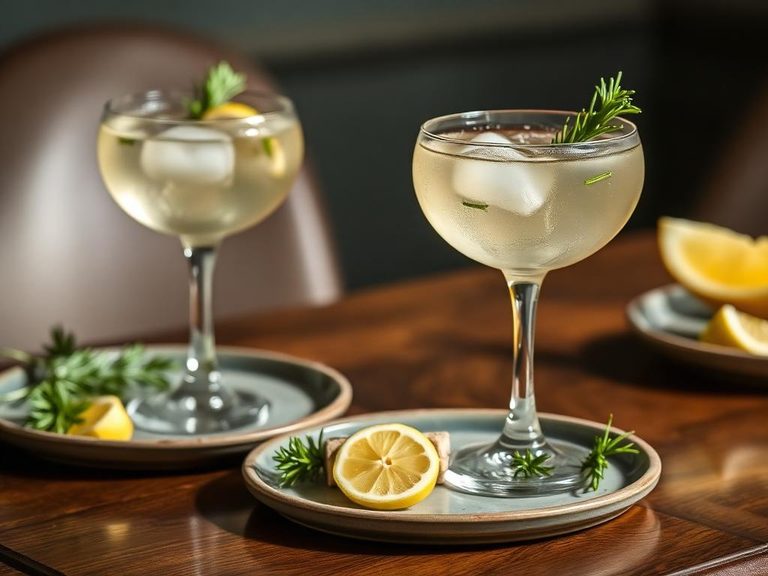
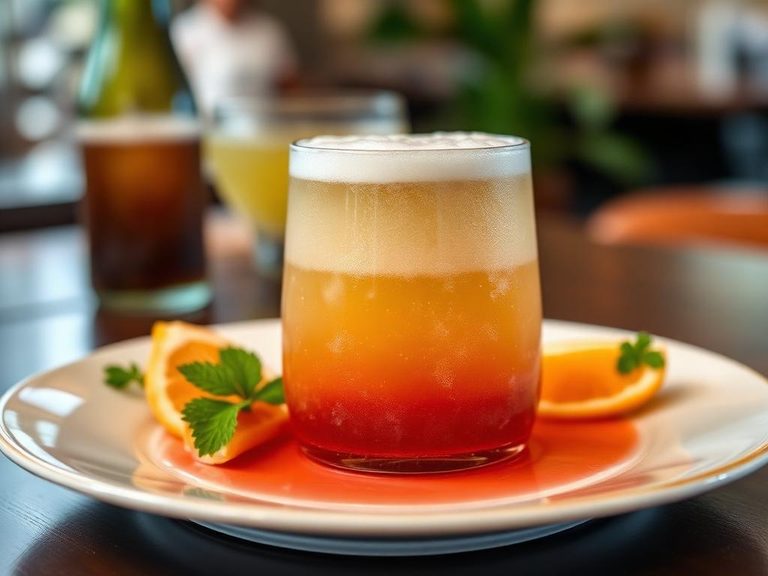
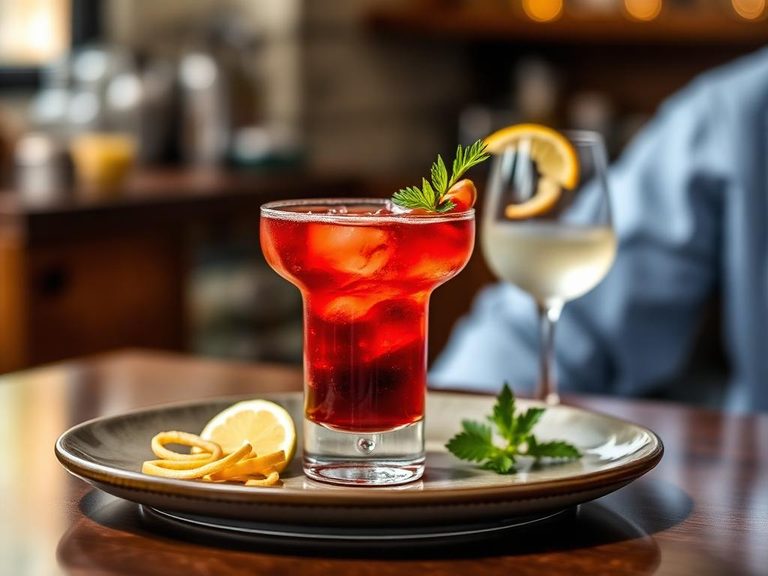
Garnish for cocktails or desserts
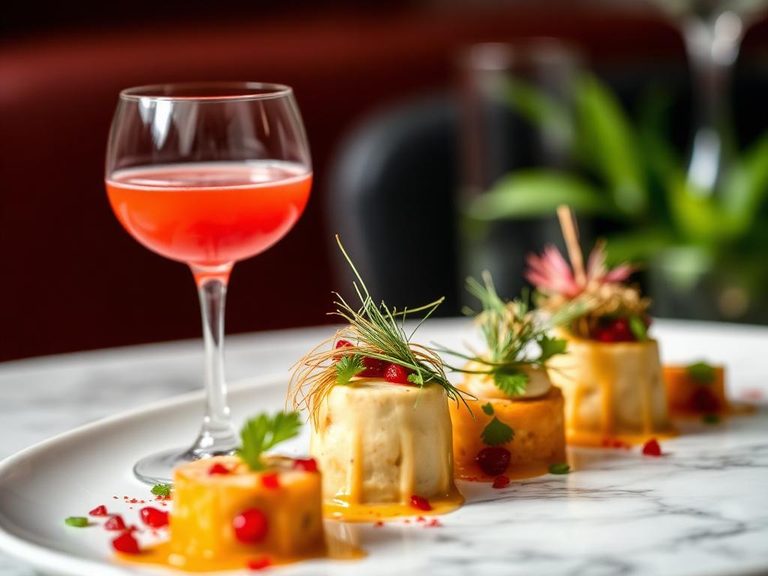
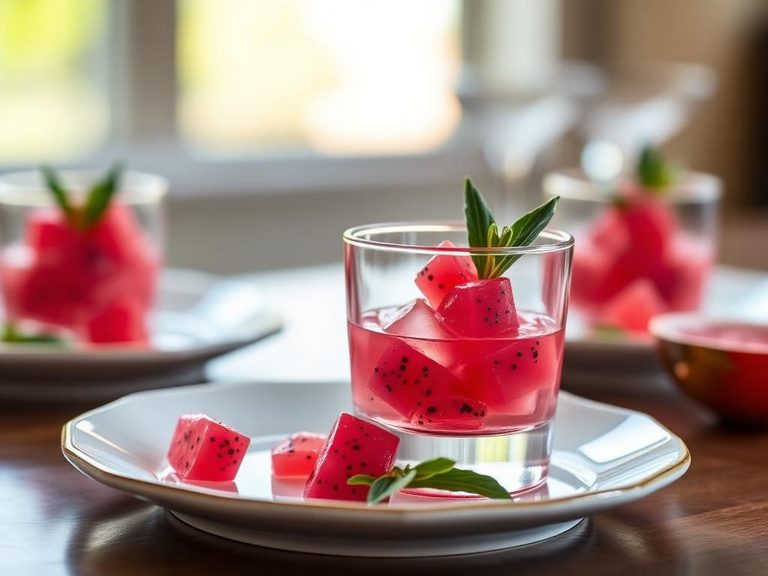
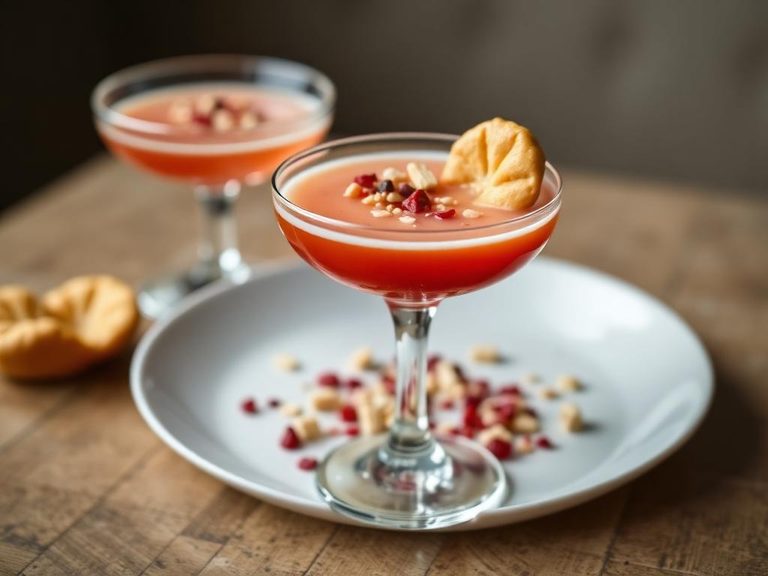
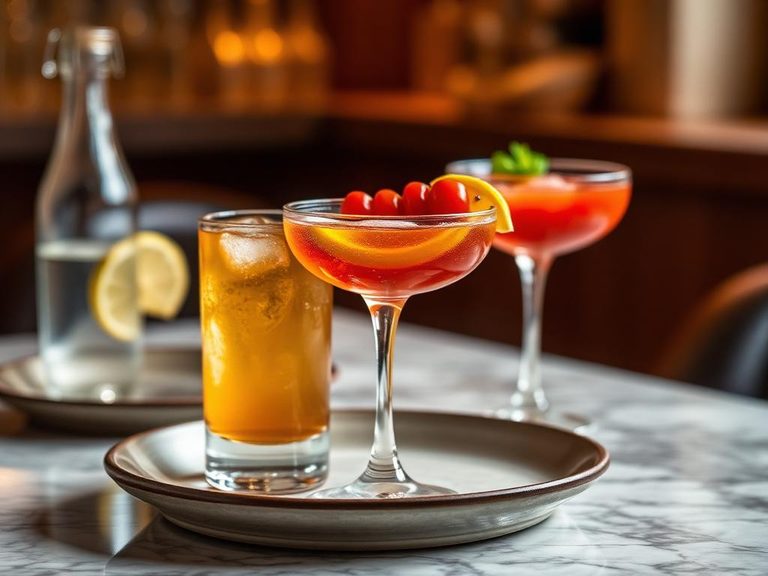
A garnish for cocktails or desserts is a decorative and flavorful accompaniment, typically a small, edible item like a citrus twist, mint sprig, or cherry. It originates from classic culinary and bartending traditions, where presentation and sensory experience are key. The ingredients are chosen to complement the main dish or drink, adding aroma, color, and a final touch of taste.
🍽️ Nutrition at a glance
Garnishes are generally very low in calories, carbohydrates, fat, and protein, as they are used in small quantities. Their primary nutritional contribution comes from trace vitamins, minerals, and antioxidants, depending on the specific ingredient used.
Nutrition breakdown
| Calories | 10 kcal |
| Protein | 0.1 g |
| Carbs | 2.5 g |
| Fat | 0 g |
| Fiber | 0.3 g |
| Sugar | 2 g |
| Sodium | 1 mg |
| Vitamin C | 5 mg |
| Potassium | 20 mg |
| Vitamin A | 15 IU |
| Calcium | 3 mg |
| Iron | 0.1 mg |
Per 1 typical garnish (e.g., 1 lemon twist and 1 maraschino cherry, ~15 g) · estimated, varies by recipe
💡 What's interesting
Culturally, garnishes are a universal language of hospitality and attention to detail, elevating a simple drink or dessert into a crafted experience. Nutritionally, they can be a sneaky way to add a burst of phytonutrients, like vitamin C from a lemon twist or antioxidants from a berry.