Fruit Salad for Toddlers
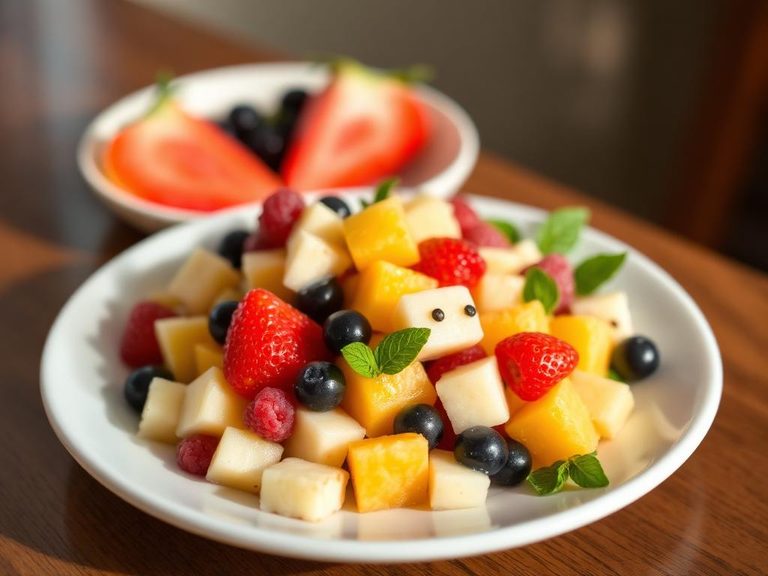
A fruit salad for toddlers is a colorful, soft-textured mix of bite-sized fruits like bananas, berries, melons, and peaches, often served fresh or lightly cooked to make it easy for little hands to eat. It's a universal dish found in kitchens worldwide, adapted to seasonal and local fruits.
🍽️ Nutrition at a glance
This dish is naturally high in carbohydrates from fruit sugars, low in fat and protein, and packed with vitamins like vitamin C, potassium, and fiber. A typical toddler-sized serving (about 1/2 to 1 cup) ranges from 50 to 100 calories, depending on the fruits used.
Nutrition breakdown
| Calories | 60 kcal |
| Protein | 0.7 g |
| Carbs | 15 g |
| Fat | 0.2 g |
| Fiber | 2.5 g |
| Sugar | 11 g |
| Sodium | 5 mg |
| Vitamin C | 35 mg |
| Potassium | 250 mg |
| Vitamin A | 120 mcg RAE |
| Folate | 25 mcg |
| Vitamin K | 8 mcg |
| Manganese | 0.3 mg |
| Magnesium | 15 mg |
| Calcium | 15 mg |
Per 1 cup (150 g) · estimated, varies by recipe
💡 What's interesting
Fruit salad for toddlers is nutritionally unique because it combines a variety of phytonutrients and antioxidants in one colorful bowl, which can help support a child's developing immune system and taste preferences. Culturally, it's often a first 'solid food' introduction, reflecting a family's food traditions through the fruits they choose.
🍽️ Related dishes
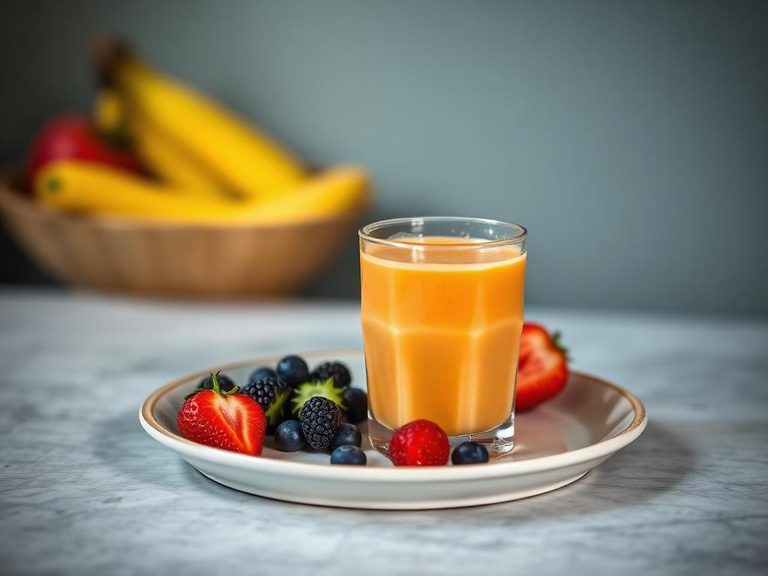 Formula-based smoothie for older toddlers
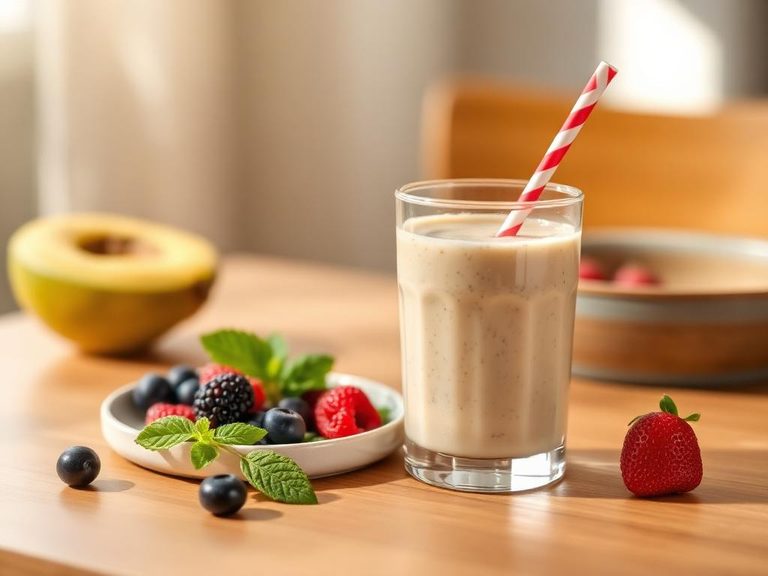 Formula-based smoothie for toddlers
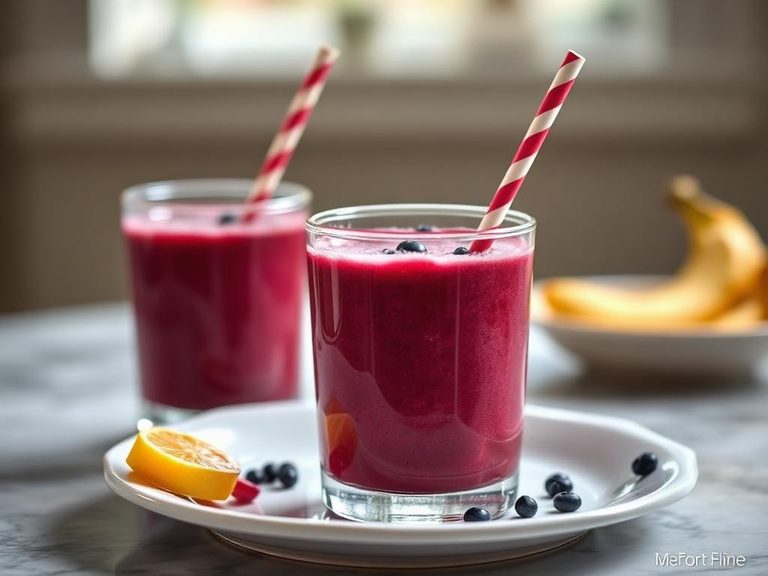 Fortified smoothies for toddlers
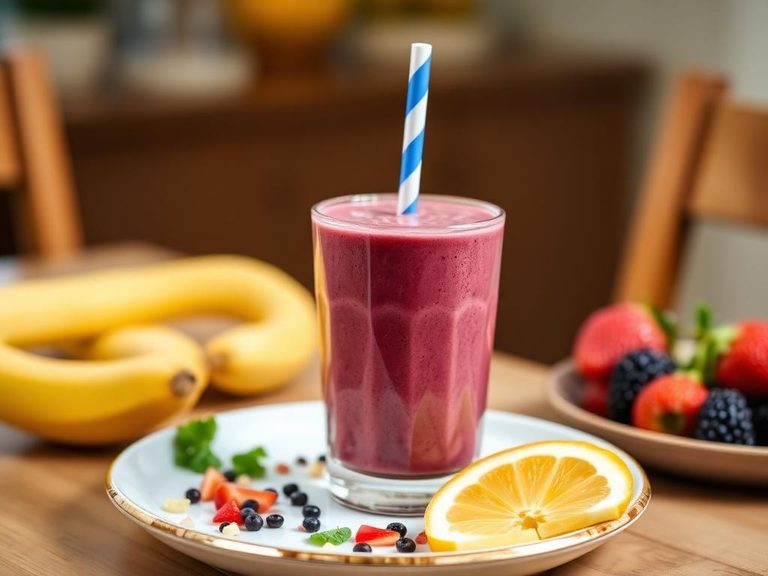 Added to smoothies for toddlers transitioning off formula
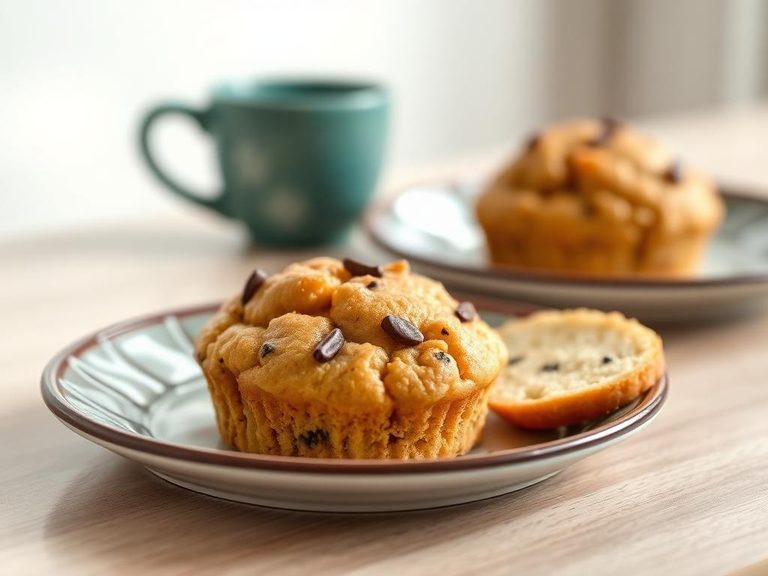 Formula incorporated into baked goods for toddlers
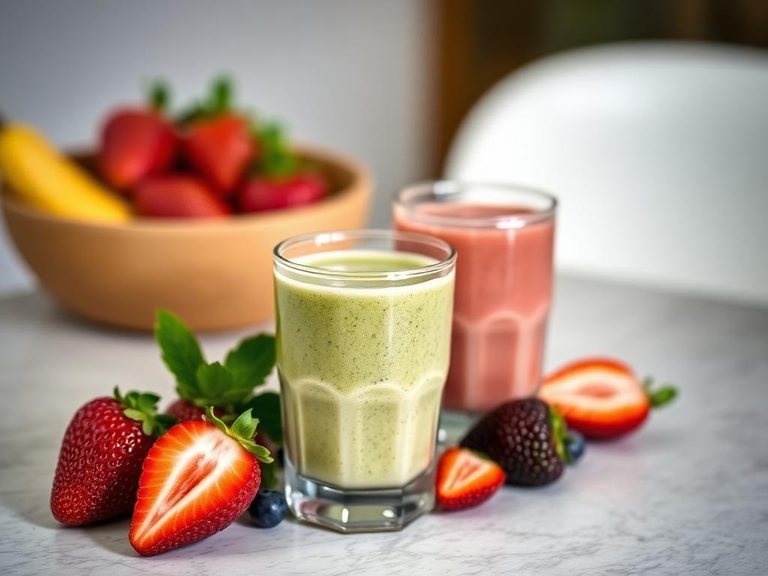 Blended into fruit smoothies for older toddlers
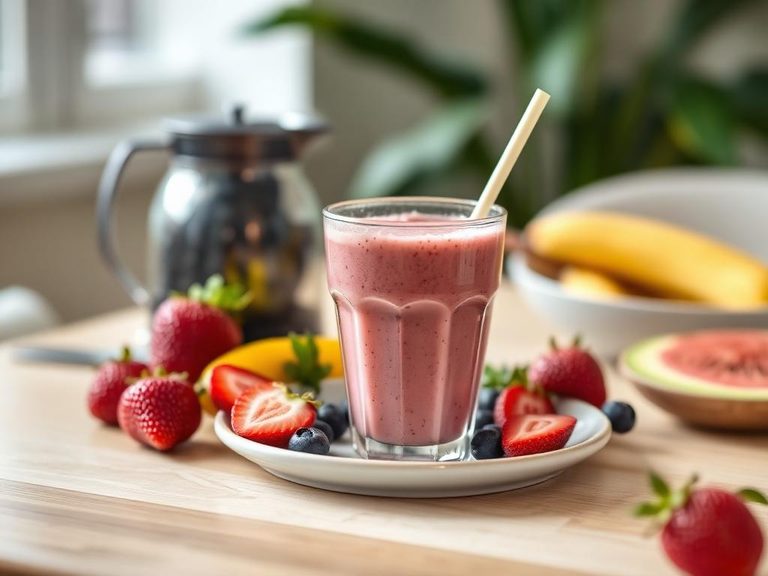 Component of a blended fruit smoothie for toddlers
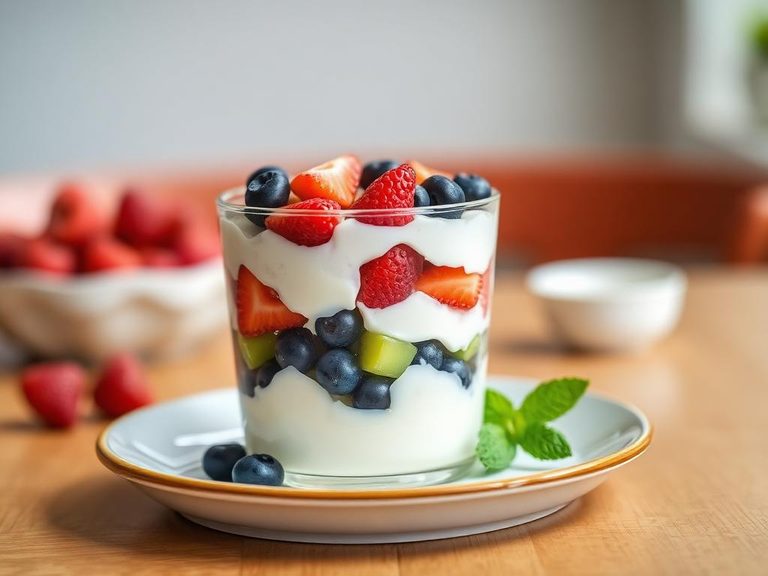 Layered in a fruit and yogurt parfait for toddlers