Frozen Yogurt or Nice Cream
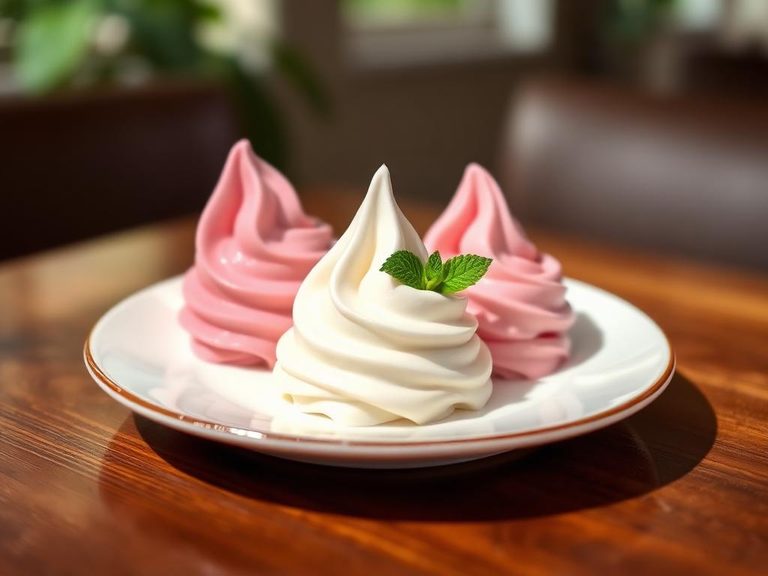
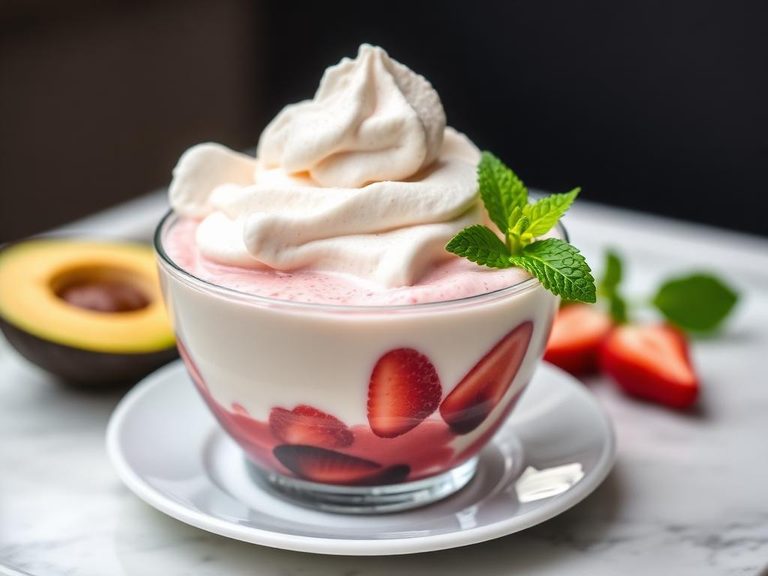
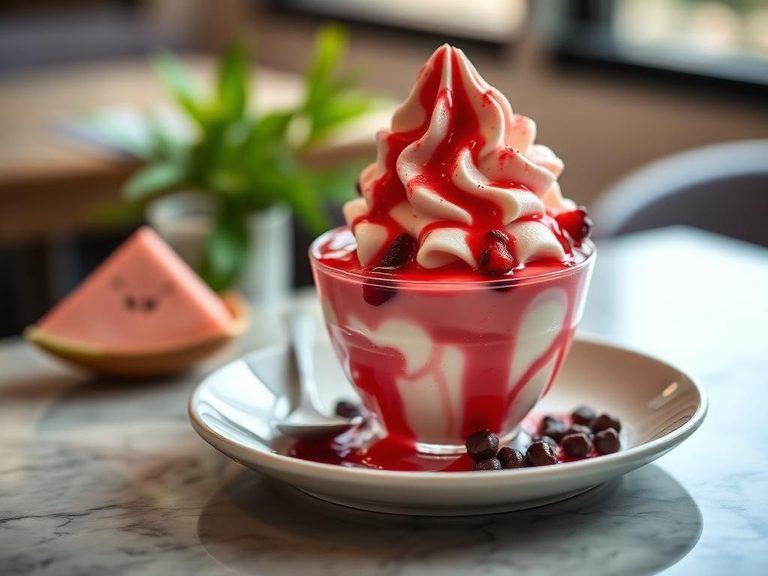
Frozen yogurt, often called 'nice cream' when made from blended frozen fruit like bananas, is a creamy, ice cream-like dessert that originated in the United States. It typically features a base of yogurt or fruit, sweeteners, and various flavorings or toppings, offering a lighter alternative to traditional ice cream.
🍽️ Nutrition at a glance
This dish is generally moderate in carbohydrates from fruit or added sugars, with a modest amount of protein from the yogurt base, and is relatively low in fat compared to ice cream. A standard serving provides key nutrients like calcium, probiotics (in yogurt versions), and vitamins from fruit, with a calorie range of roughly 100-200 per half-cup serving depending on ingredients.
Nutrition breakdown
| Calories | 200 kcal |
| Protein | 4 g |
| Carbs | 35 g |
| Fat | 5 g |
| Fiber | 1 g |
| Sugar | 28 g |
| Sodium | 80 mg |
| Calcium | 150 mg |
| Phosphorus | 120 mg |
| Potassium | 250 mg |
| Vitamin B12 | 0.5 mcg |
| Riboflavin (B2) | 0.2 mg |
| Vitamin A | 60 mcg |
| Zinc | 0.8 mg |
| Magnesium | 25 mg |
Per 1 cup (240 g) · estimated, varies by recipe
💡 What's interesting
Culturally, frozen yogurt gained massive popularity in the 1980s as a 'healthier' dessert trend, while nice cream has surged in modern wellness circles for its whole-food, vegan-friendly appeal. Nutritionally, it's unique for balancing indulgence with functional benefits, like gut-friendly probiotics or natural fruit sugars, making it a versatile treat for various dietary preferences.