

Frozen TV Dinner
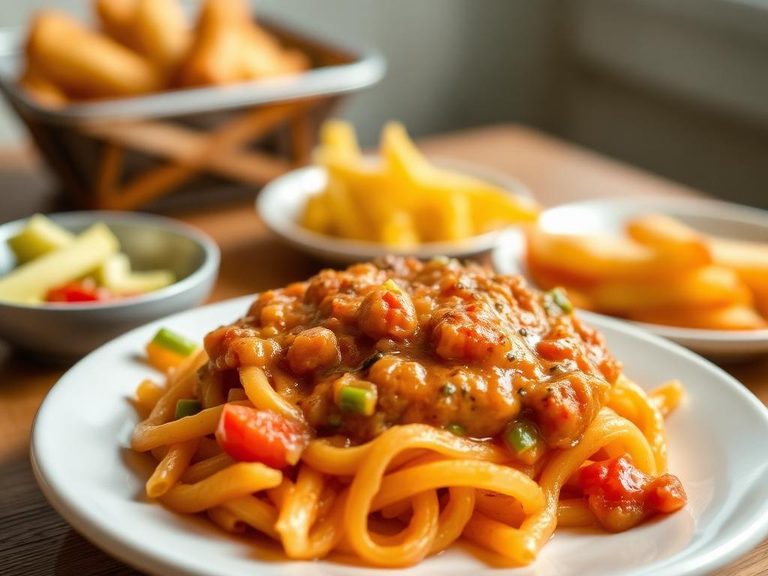
The 'Frozen TV Dinner' is a pre-packaged, single-serving meal that is typically frozen and heated in a microwave or oven. It usually consists of a main protein like chicken, turkey, or beef, alongside starchy sides like mashed potatoes or corn, and a vegetable. Originating in the United States in the 1950s, it was designed for convenience and became an iconic part of American pop culture, often associated with eating while watching television.
🍽️ Nutrition at a glance
TV dinners are generally high in carbohydrates and sodium, with moderate to high fat content depending on the main protein and sauces. They provide a mix of macronutrients but can be low in fiber and fresh vitamins, with a typical calorie range of 300 to 600 per serving.
Nutrition breakdown
| Calories | 350 kcal |
| Protein | 15 g |
| Carbs | 40 g |
| Fat | 14 g |
| Fiber | 4 g |
| Sugar | 6 g |
| Sodium | 800 mg |
| Vitamin A | 300 mcg |
| Vitamin C | 15 mg |
| Calcium | 150 mg |
| Iron | 3 mg |
| Potassium | 450 mg |
| Vitamin B12 | 1.5 mcg |
| Niacin (B3) | 5 mg |
| Phosphorus | 200 mg |
Per 1 tray (280 g) · estimated, varies by recipe
💡 What's interesting
Culturally, the TV dinner revolutionized mealtime by separating eating from the family table, symbolizing the rise of convenience food and individualism in post-war America. Nutritionally, they are a fascinating case study in food technology, balancing shelf stability, safety, and taste through freezing and preservatives.
🍽️ Related dishes





AI estimate may be inaccurate · Terms