

Frozen pizza night
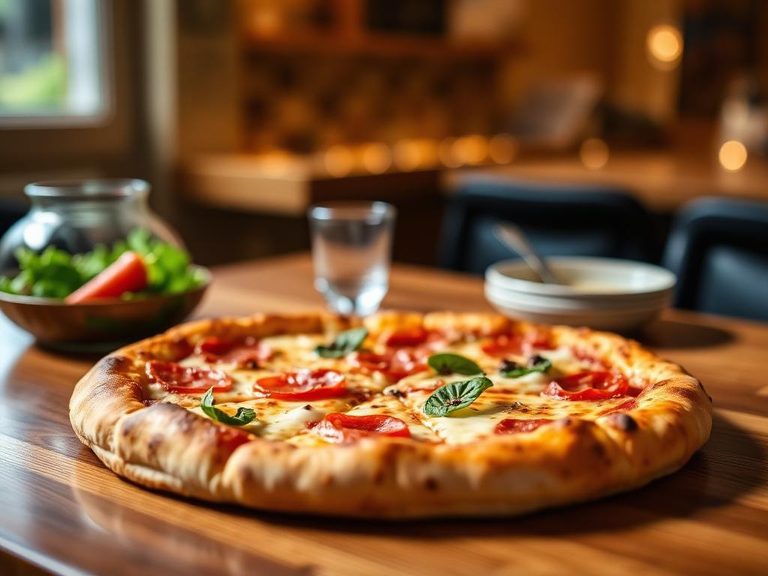
Frozen pizza night is a casual, convenient meal centered around a pre-made, frozen pizza that is baked at home. It typically features a pre-baked crust topped with tomato sauce, cheese (often mozzarella), and a variety of toppings like pepperoni, vegetables, or sausage. While originating in Italy, the frozen version is a global staple, perfected and popularized by American food companies in the mid-20th century.
🍽️ Nutrition at a glance
A typical serving is high in carbohydrates from the crust and fat from the cheese and any meat toppings, with a moderate amount of protein. It provides key nutrients like calcium and sodium, and a single serving generally ranges from 700 to 1000 calories for a quarter of a large pizza.
Nutrition breakdown
| Calories | 820 kcal |
| Protein | 34 g |
| Carbs | 88 g |
| Fat | 36 g |
| Fiber | 4 g |
| Sugar | 10 g |
| Sodium | 1850 mg |
| Calcium | 450 mg |
| Iron | 5 mg |
| Vitamin B12 | 1.5 mcg |
| Selenium | 30 mcg |
| Phosphorus | 400 mg |
| Vitamin A | 150 mcg RAE |
| Thiamin (B1) | 0.8 mg |
| Folate | 120 mcg DFE |
Per 1/4 of a large (14-inch) frozen pepperoni pizza (about 140 g) · estimated, varies by recipe
💡 What's interesting
Frozen pizza is a fascinating example of food industrialization, transforming a traditionally artisanal dish into a shelf-stable, mass-produced product. Nutritionally, it's often fortified with vitamins like B12 and iron, though it can be very high in sodium and saturated fat.
🍽️ Related dishes
AI estimate may be inaccurate · Terms