Frozen Fruit Pops
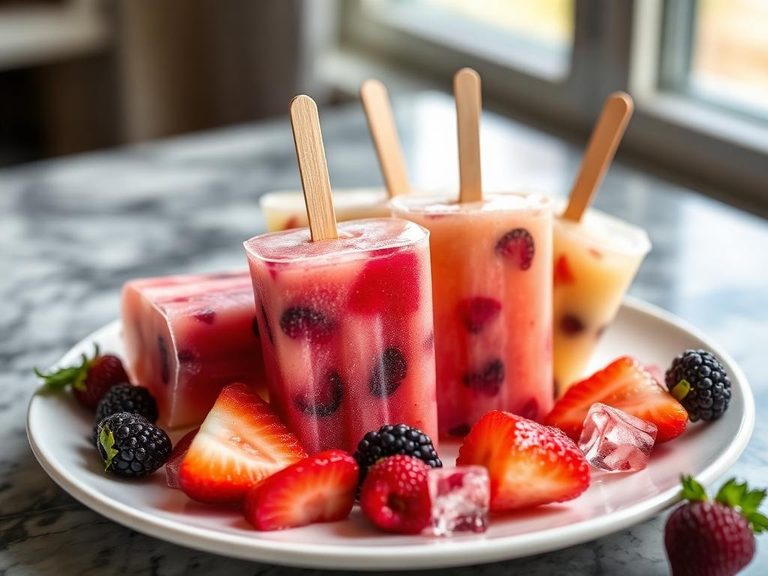
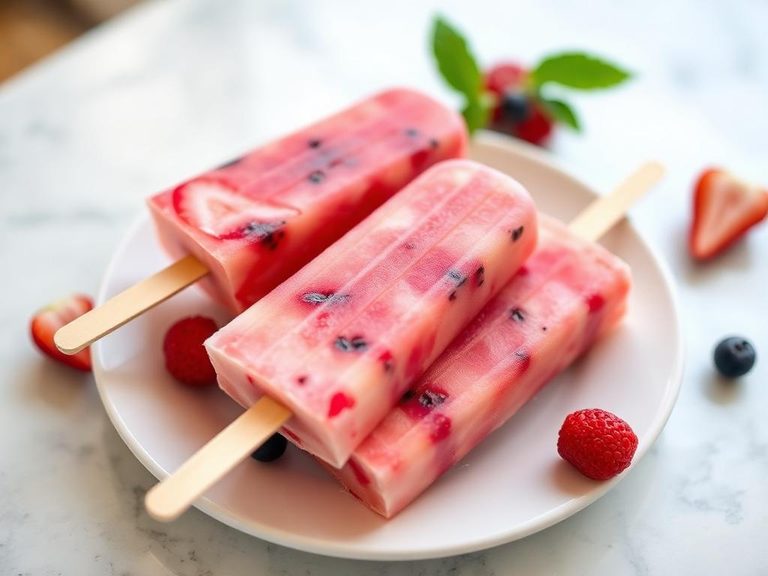
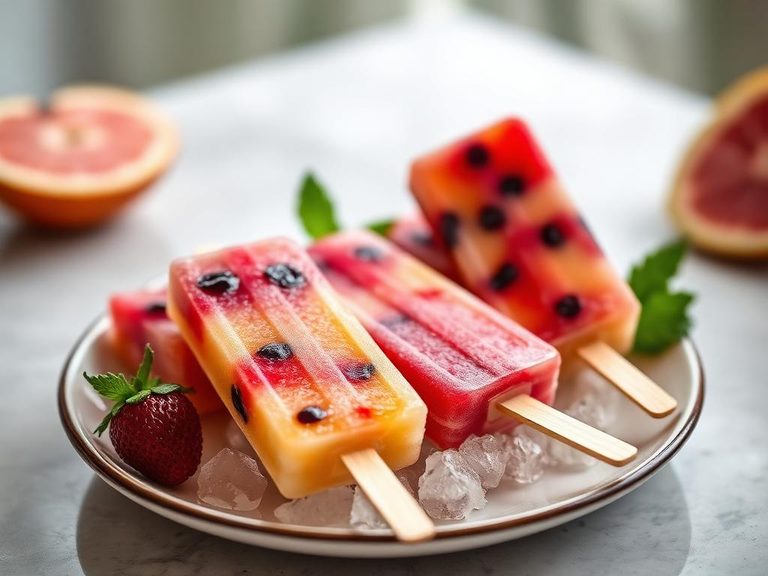
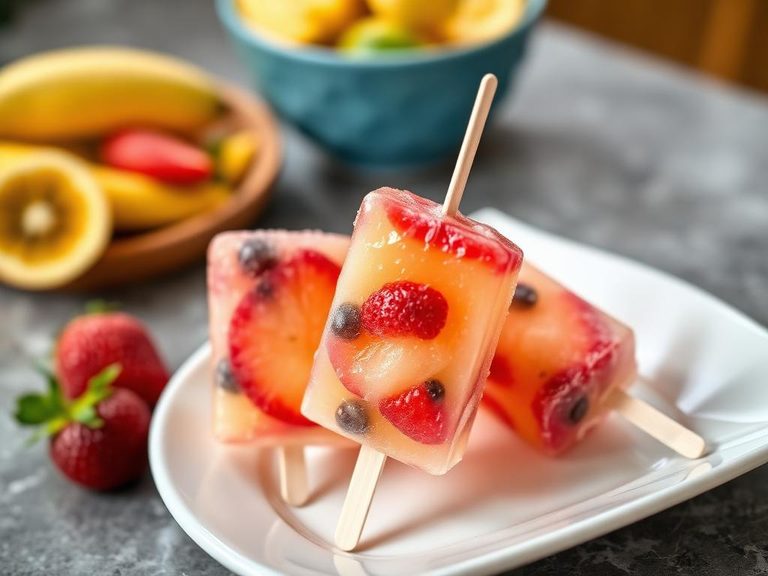
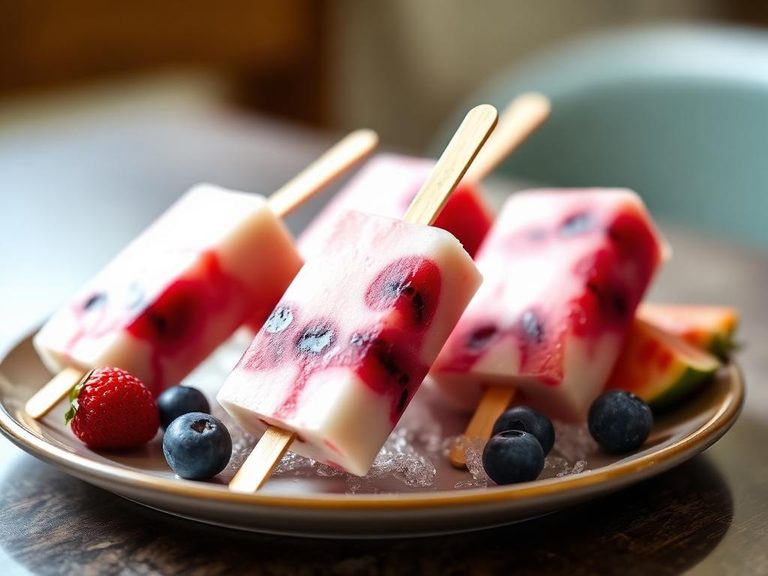
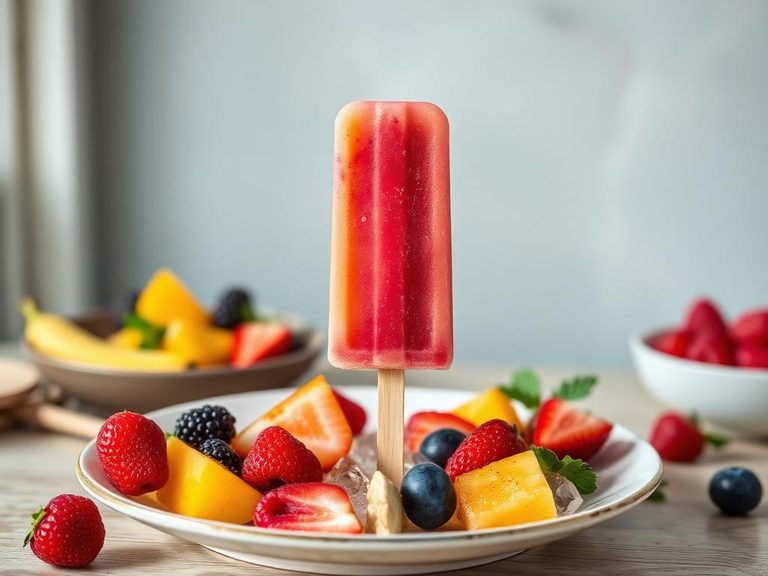
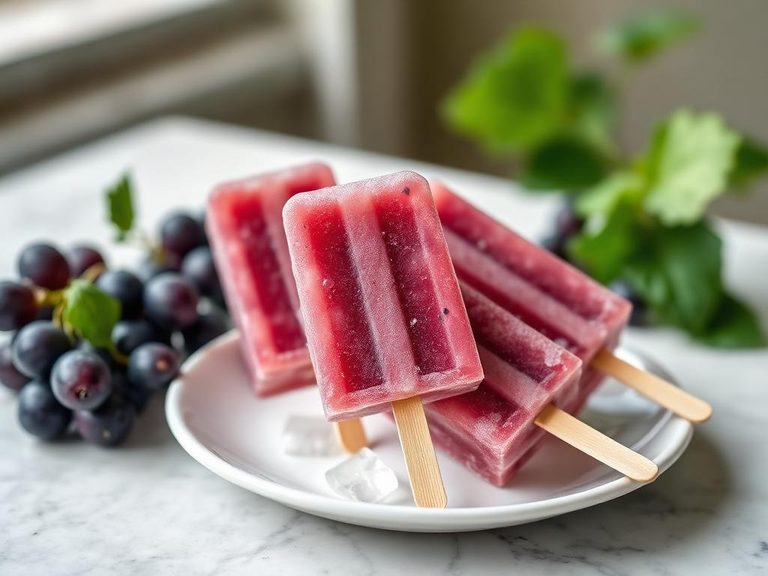
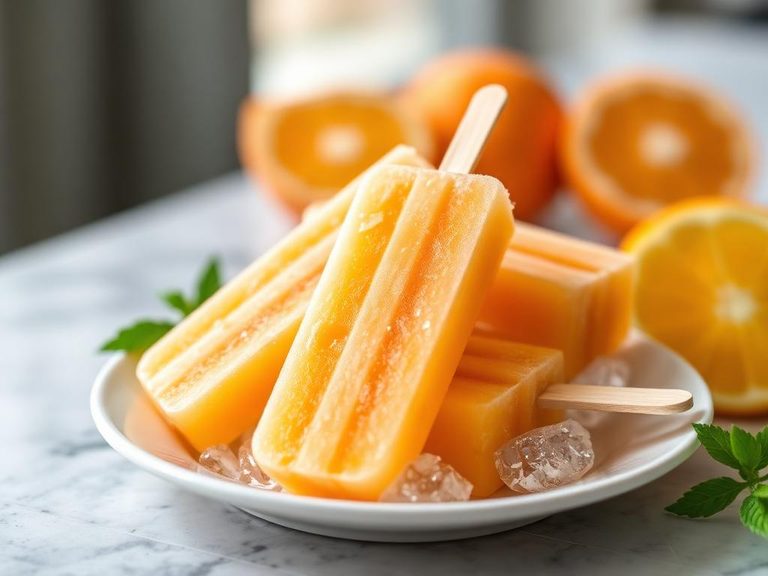
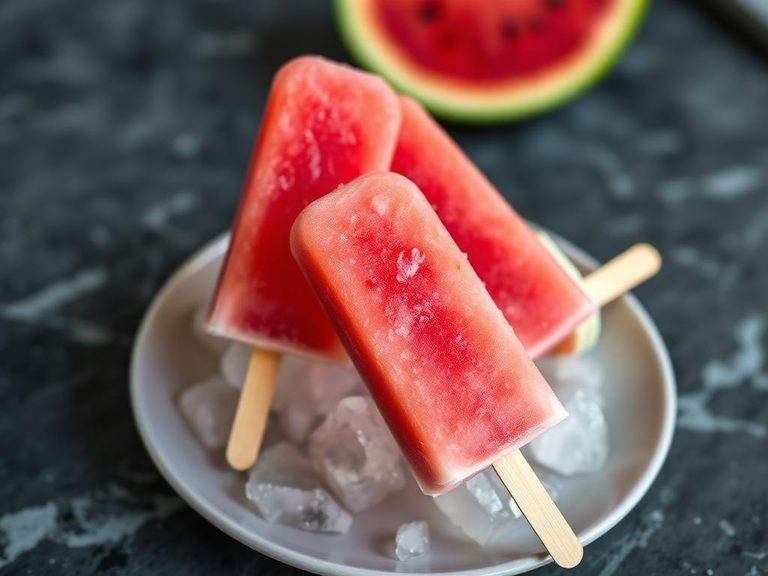
Frozen Fruit Pops are refreshing, icy treats made by blending or layering fruit with liquids like juice, yogurt, or coconut water and freezing them in molds. They are a popular homemade dessert enjoyed worldwide, especially in warmer climates, as a healthy alternative to commercial ice pops. Common fruits include berries, mangoes, watermelon, and citrus, often sweetened with honey or agave.
🍽️ Nutrition at a glance
These pops are generally low in fat and protein but can be high in natural carbohydrates from fruit sugars. They provide essential vitamins (like vitamin C), antioxidants, and hydration, with a typical homemade pop containing around 50-100 calories per serving depending on ingredients.
Nutrition breakdown
| Calories | 60 kcal |
| Protein | 0.2 g |
| Carbs | 15 g |
| Fat | 0 g |
| Fiber | 0.5 g |
| Sugar | 13 g |
| Sodium | 10 mg |
| Vitamin C | 15 mg |
| Potassium | 50 mg |
| Calcium | 10 mg |
| Iron | 0.2 mg |
| Vitamin A | 10 mcg |
| Magnesium | 5 mg |
| Phosphorus | 10 mg |
| Folate | 5 mcg |
Per 1 popsicle (70 g) · estimated, varies by recipe
💡 What's interesting
Culturally, frozen fruit pops are a modern, healthier twist on traditional ice-based desserts found in many cuisines, from Mexican paletas to Asian fruit ice blocks. Nutritionally, they offer a clever way to increase fruit intake while satisfying sweet cravings, making them a favorite for both kids and health-conscious adults.