

Frozen desserts and ice cream
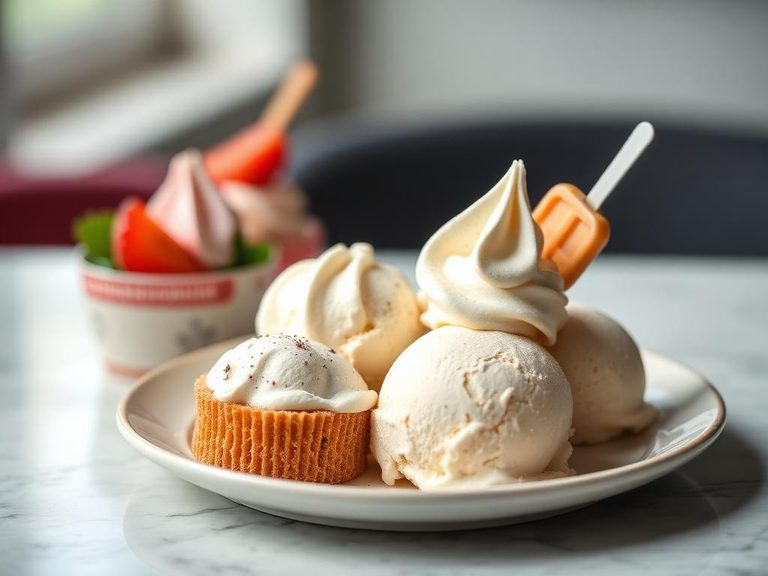
Frozen desserts and ice cream are sweet, creamy treats made by churning a base of milk, cream, sugar, and flavorings while freezing them to create a smooth, scoopable texture. Originating from ancient ice-based confections, modern versions range from rich dairy ice cream to fruit-based sorbets and dairy-free alternatives, enjoyed globally.
🍳 View the full Frozen desserts and ice cream recipe →
🍽️ Nutrition at a glance
These desserts are typically high in carbohydrates from sugar and fat from cream or milk, with minimal protein, providing a quick energy boost but often in a calorie-dense package—roughly 200-300 calories per half-cup serving. They can offer some calcium and vitamins if made with dairy, but are generally considered an indulgent treat rather than a nutrient-rich food.
Nutrition breakdown
| Calories | 137 kcal |
| Protein | 2.3 g |
| Carbs | 17 g |
| Fat | 7.3 g |
| Fiber | 0.5 g |
| Sugar | 15 g |
| Sodium | 53 mg |
| Calcium | 84 mg |
| Phosphorus | 67 mg |
| Vitamin A | 66 mcg RAE |
| Vitamin D | 0.2 mcg |
| Riboflavin (B2) | 0.1 mg |
| Vitamin B12 | 0.2 mcg |
| Potassium | 111 mg |
| Magnesium | 9 mg |
Per 1/2 cup (66 g) · estimated, varies by recipe
💡 What's interesting
Culturally, ice cream has evolved from a luxury for the elite in ancient times to a beloved, accessible comfort food worldwide, with regional variations like Italian gelato's denser texture or Japanese mochi ice cream's chewy coating. Nutritionally, its high sugar and fat content can trigger pleasure responses in the brain, making it a popular choice for celebrations and emotional comfort.
🍽️ Related dishes
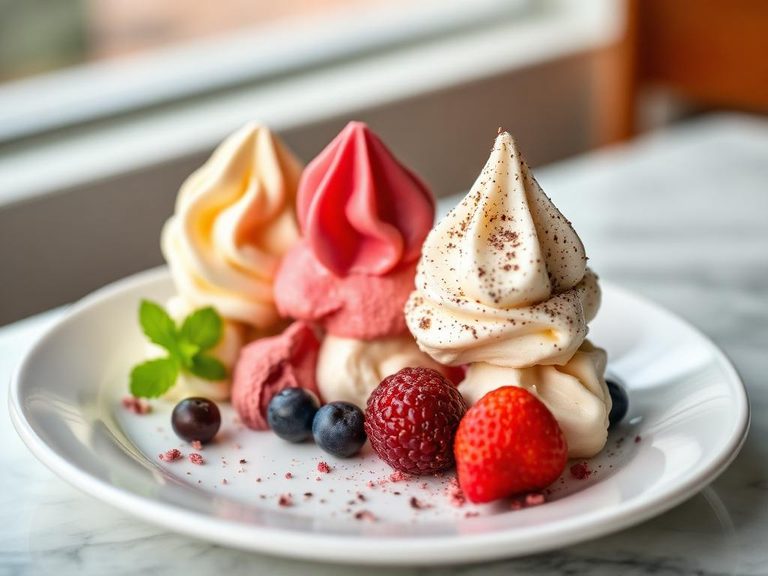 Ice cream and frozen desserts
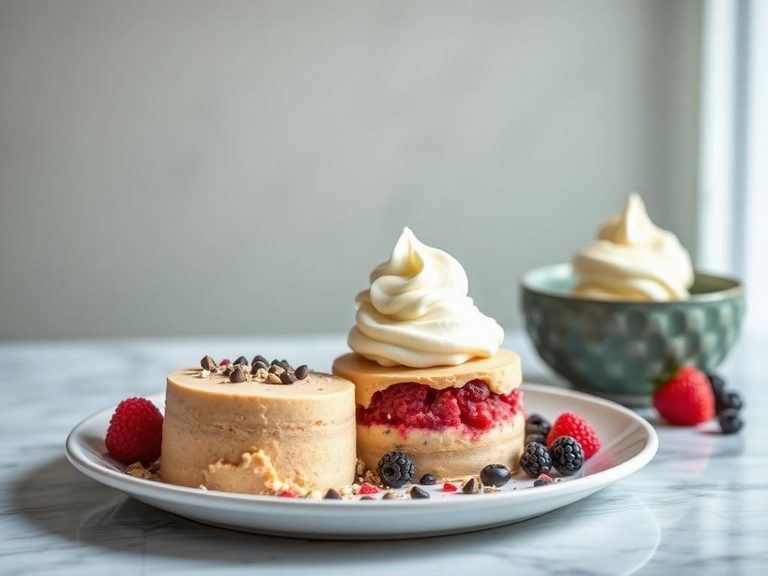 Base for diabetic-friendly frozen desserts
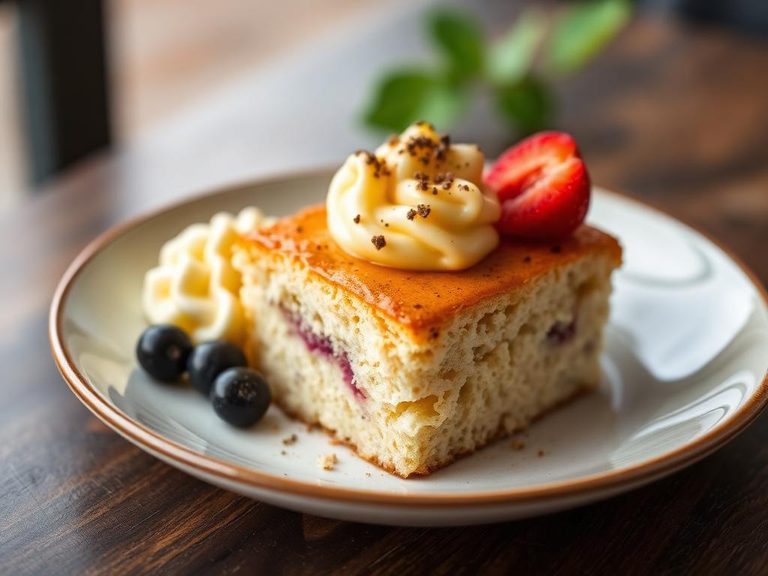 Incorporated into baked goods or desserts for a creamy, sweet flavor .
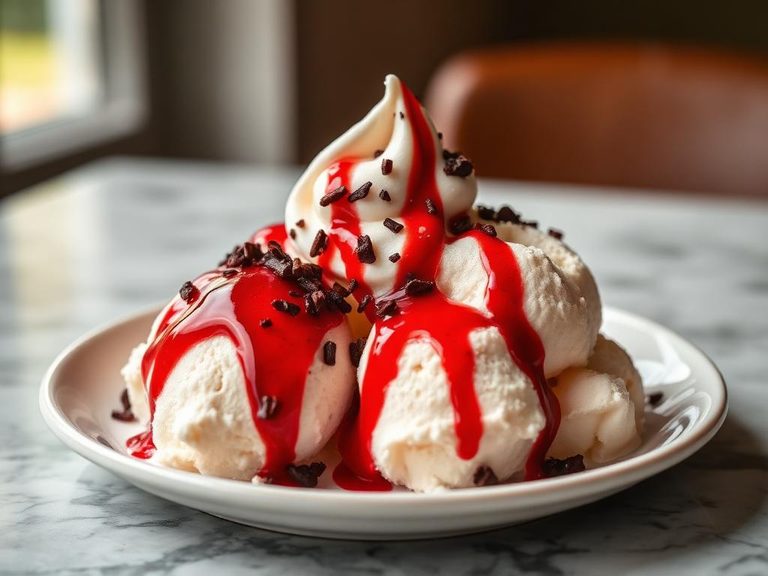 Ice cream or frozen yogurt topping
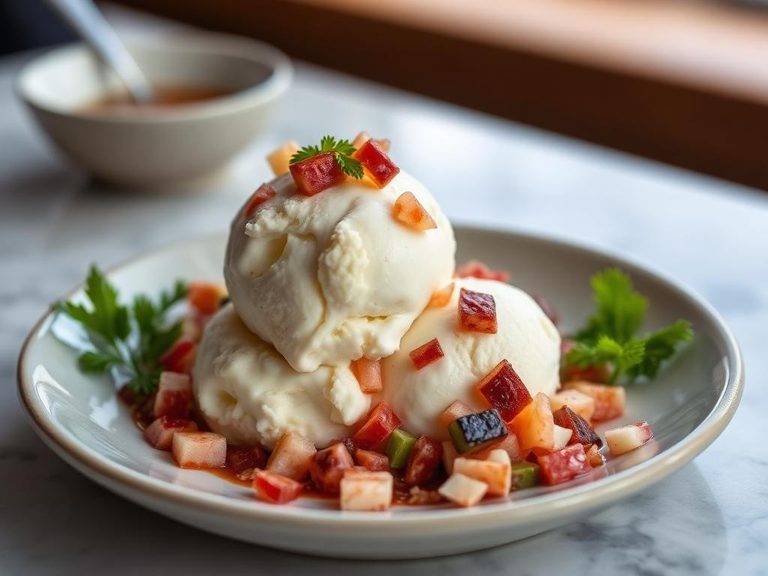 Chopped as a topping for ice cream or frozen yogurt
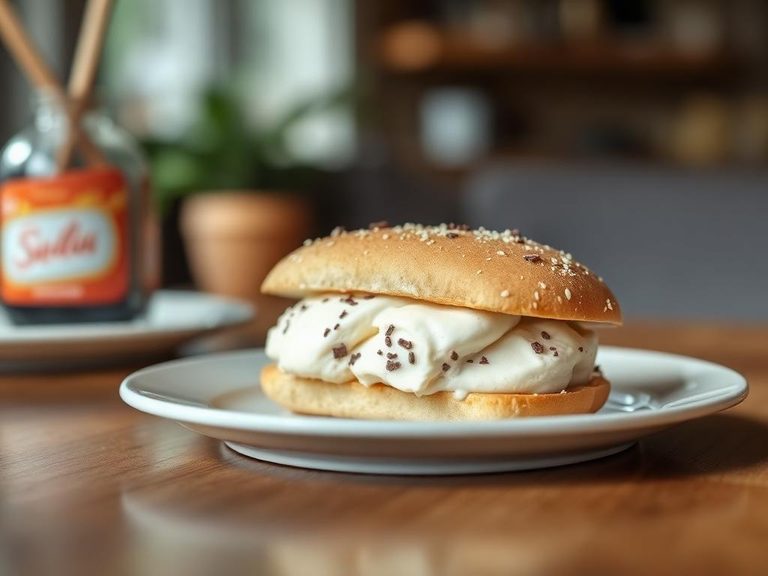 Frozen milk bar ice cream sandwich
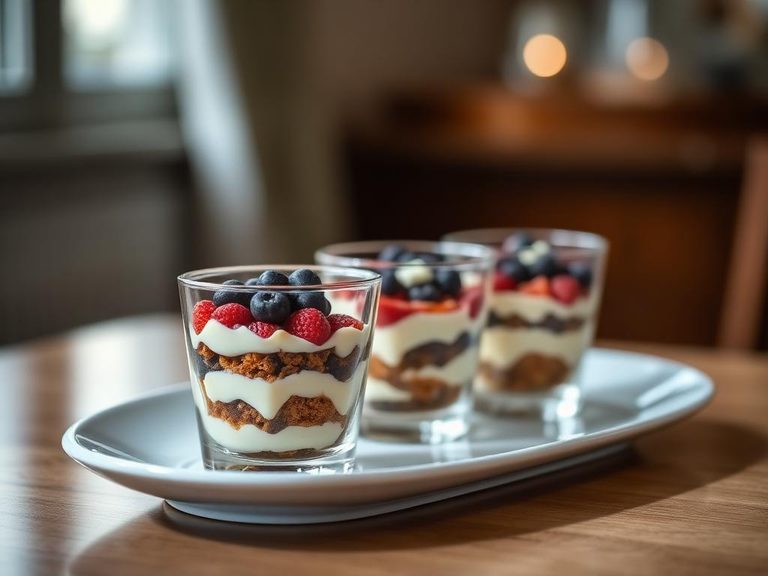 Layered in trifle desserts
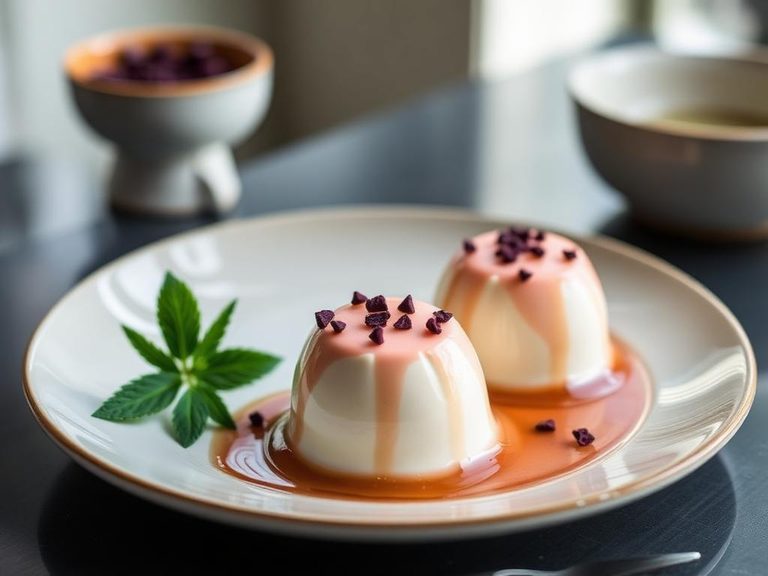 Oolong-Infused Desserts
AI estimate may be inaccurate · Terms