Ice cream and frozen desserts
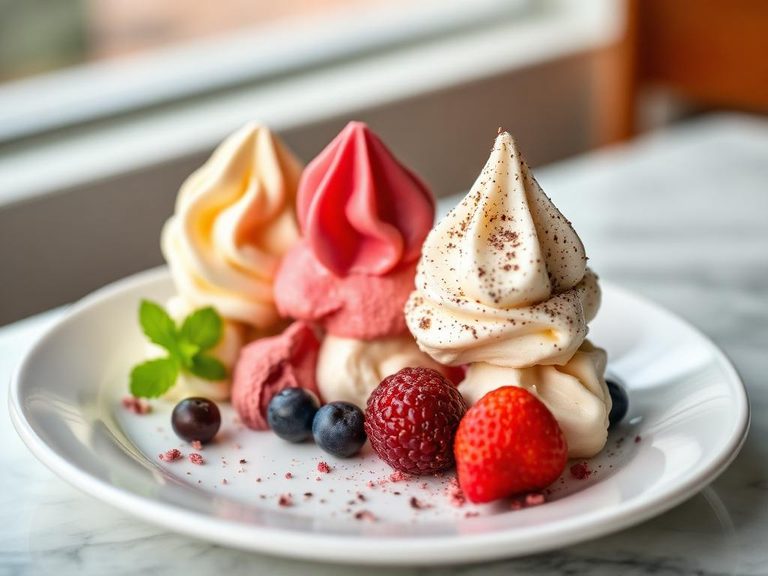
Ice cream and frozen desserts are a broad category of sweet, frozen treats typically made from dairy or non-dairy bases, sugar, and flavorings. They range from creamy, churned ice creams to lighter sorbets, gelatos, and frozen yogurts. Originating in various forms across the globe, from ancient Chinese ice mixtures to Italian gelato, they are a universally beloved dessert.
🍽️ Nutrition at a glance
These desserts are generally high in carbohydrates and fat, with a moderate amount of protein if dairy-based. A typical serving provides a quick energy boost and key nutrients like calcium and phosphorus, with a calorie ballpark of 250-350 kcal per 1/2 cup serving.
Nutrition breakdown
| Calories | 270 kcal |
| Protein | 4.5 g |
| Carbs | 32 g |
| Fat | 14 g |
| Fiber | 0.5 g |
| Sugar | 28 g |
| Sodium | 80 mg |
| Calcium | 120 mg |
| Phosphorus | 100 mg |
| Vitamin A | 100 IU |
| Vitamin D | 0.5 mcg |
| Riboflavin (B2) | 0.15 mg |
| Potassium | 180 mg |
| Magnesium | 12 mg |
| Zinc | 0.5 mg |
Per 1/2 cup (100 g) · estimated, varies by recipe
💡 What's interesting
Culturally, ice cream is a symbol of celebration and comfort in many societies, with unique regional variations like Japanese mochi ice cream or Indian kulfi. Nutritionally, it is a notable source of calcium, which is essential for bone health, though it is often consumed in moderation due to its high sugar and fat content.
🍽️ Related dishes
 Frozen desserts and ice cream
 Base for diabetic-friendly frozen desserts
 Incorporated into baked goods or desserts for a creamy, sweet flavor .
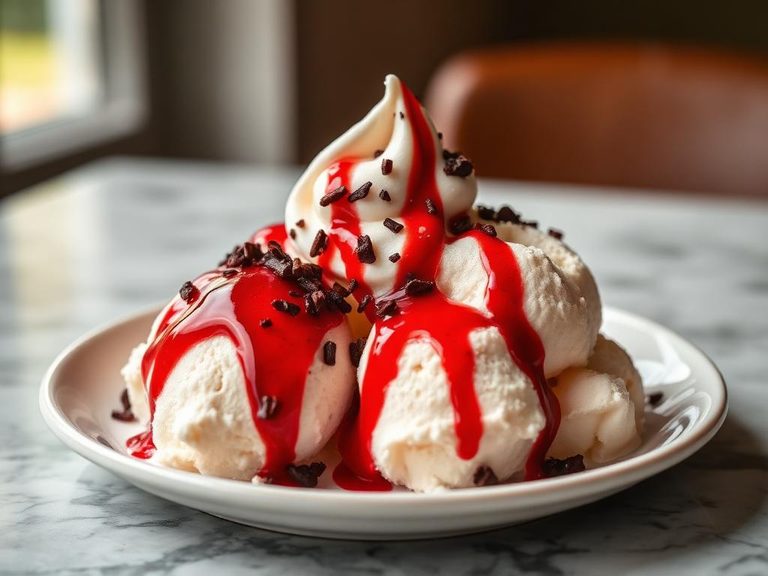 Ice cream or frozen yogurt topping
 Frozen milk bar ice cream sandwich
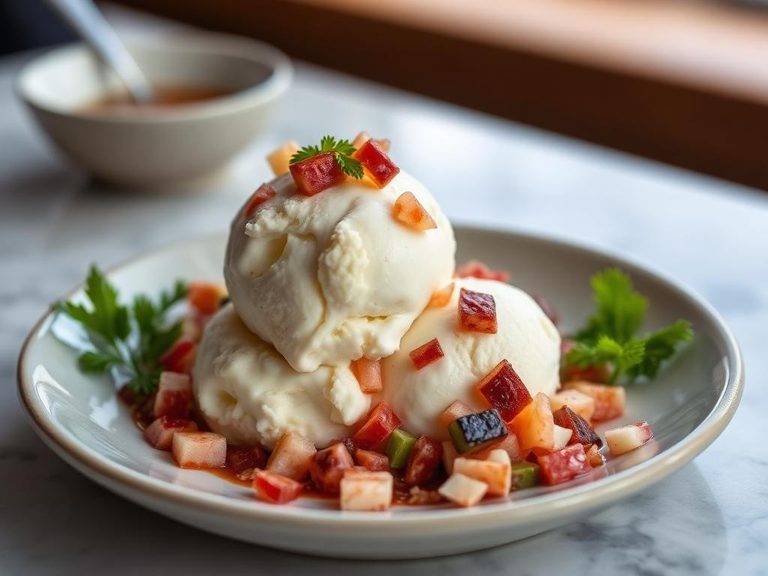 Chopped as a topping for ice cream or frozen yogurt
 Cookie crumble topping for desserts
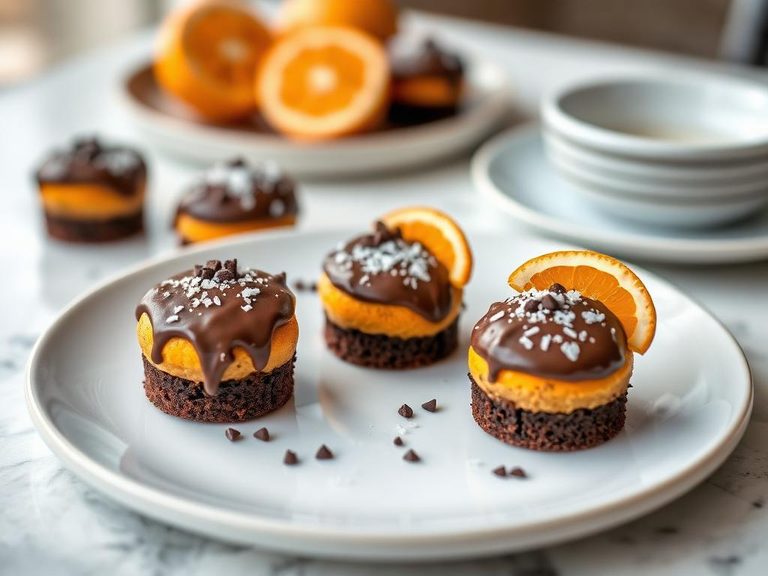 Chocolate-orange desserts