Fried potatoes or hash browns

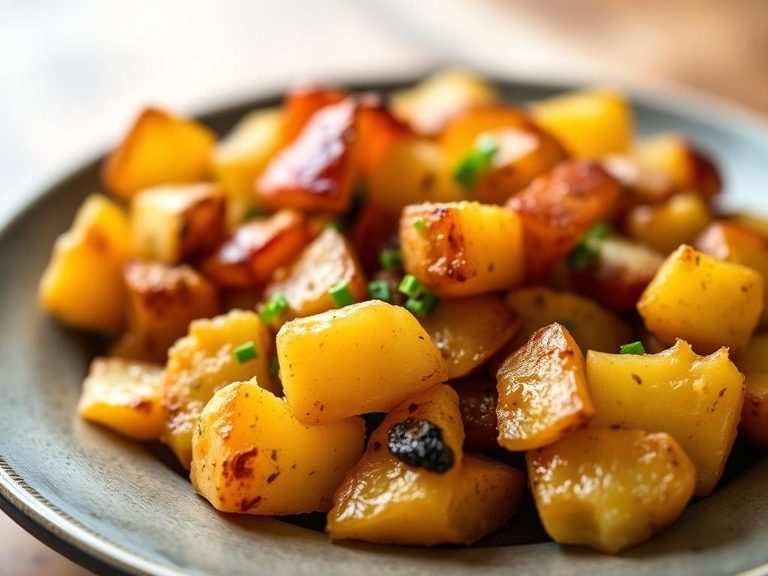
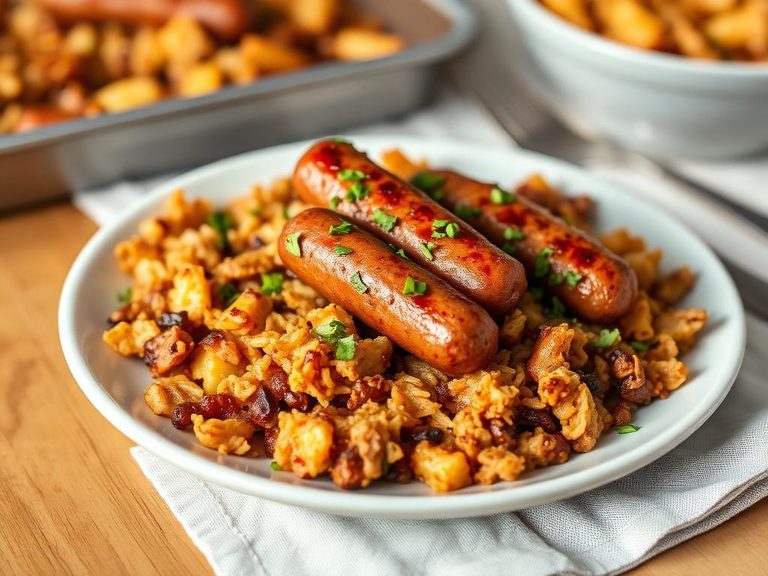
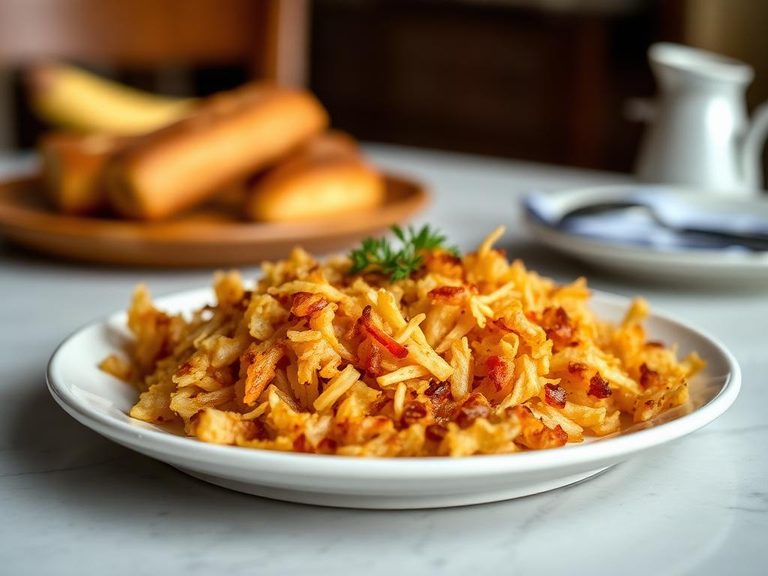
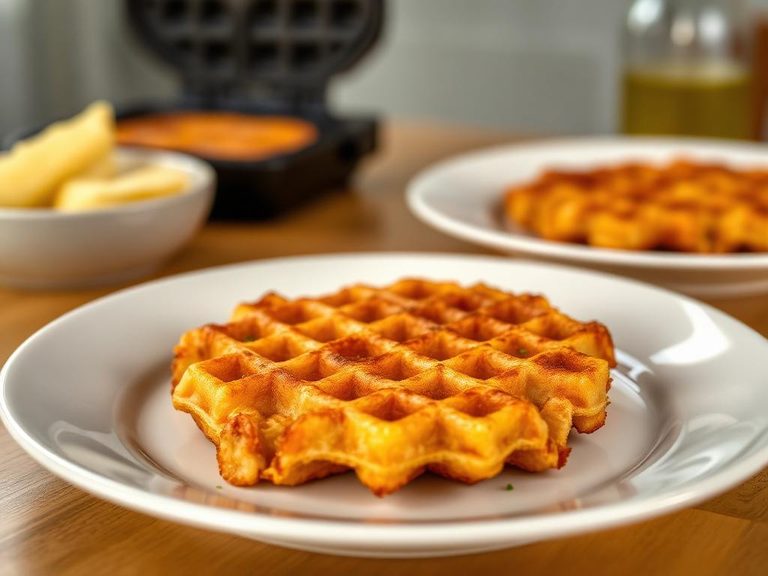
Fried potatoes, commonly known as hash browns in North America, are a simple yet beloved dish made by shredding or dicing potatoes and pan-frying them until crispy and golden. The classic version typically uses just potatoes, oil, and salt, though variations can include onions, herbs, or spices. This humble dish has roots in European and American home cooking, becoming a staple breakfast item in diners and households worldwide.
🍳 View the full Fried potatoes or hash browns recipe →
🍽️ Nutrition at a glance
Hash browns are primarily a high-carbohydrate dish, with a moderate amount of fat from the cooking oil and very little protein. A typical serving provides energy, some dietary fiber (especially if skins are included), and small amounts of potassium and vitamin C. A standard 1-cup serving of restaurant-style hash browns contains roughly 150-200 calories, largely depending on the amount of oil used.
Nutrition breakdown
| Calories | 334 kcal |
| Protein | 4 g |
| Carbs | 41 g |
| Fat | 17 g |
| Fiber | 3.5 g |
| Sugar | 2 g |
| Sodium | 580 mg |
| Potassium | 610 mg |
| Vitamin C | 15 mg |
| Vitamin B6 | 0.3 mg |
| Thiamin (B1) | 0.2 mg |
| Niacin (B3) | 2.5 mg |
| Iron | 1.5 mg |
| Phosphorus | 100 mg |
| Magnesium | 35 mg |
Per 1 cup (156 g) · estimated, varies by recipe
💡 What's interesting
Culturally, hash browns represent the ultimate comfort food transformation—turning a simple, inexpensive potato into a satisfying, textural delight through the magic of the Maillard reaction. Nutritionally, the cooking method matters significantly: baking or air-frying can dramatically reduce the fat content compared to traditional pan-frying, making it a versatile dish adaptable to different dietary preferences.