

Flavoring for rice or quinoa

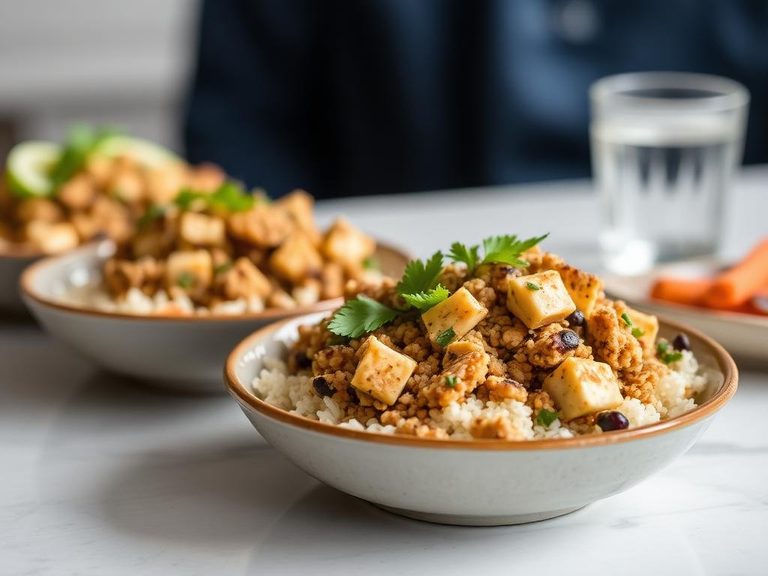
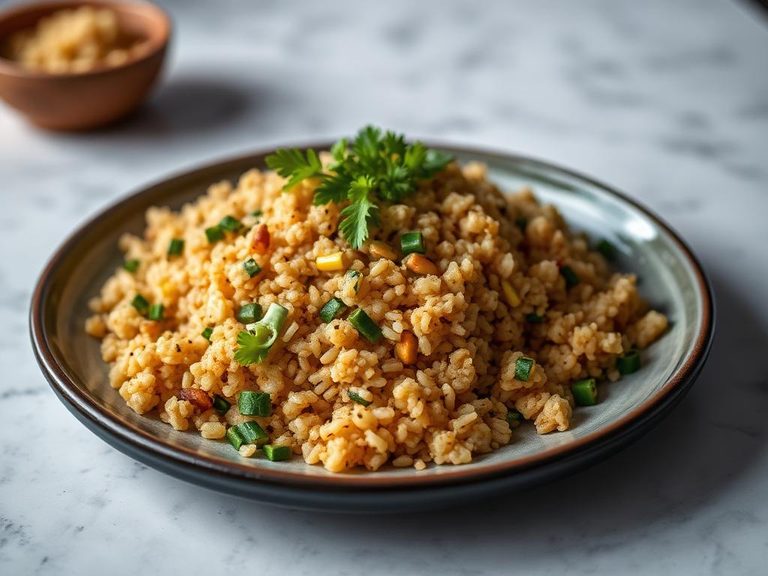
Flavoring for rice or quinoa is a versatile seasoning blend or condiment designed to enhance the taste of plain grains. It typically includes a mix of herbs, spices, salt, and sometimes dried vegetables or bouillon, and is common in many cuisines worldwide, from Latin American 'sazón' to Middle Eastern 'baharat' blends.
🍳 View the full Flavoring for rice or quinoa recipe →
🍽️ Nutrition at a glance
This is generally a low-calorie, low-fat, and low-carb addition, with a typical serving (about 1 teaspoon) providing only a few calories. Its primary nutritional contribution comes from sodium and trace minerals from the spices, with minimal impact on the overall macronutrient profile of the dish.
Nutrition breakdown
| Calories | 180 kcal |
| Protein | 4.5 g |
| Carbs | 38 g |
| Fat | 2.5 g |
| Fiber | 3.5 g |
| Sugar | 2 g |
| Sodium | 450 mg |
| Iron | 3.2 mg |
| Potassium | 350 mg |
| Magnesium | 65 mg |
| Phosphorus | 120 mg |
| Manganese | 1.8 mg |
| Zinc | 1.5 mg |
| Vitamin B6 | 0.3 mg |
| Folate | 80 mcg |
Per 1 cup (240 g) · estimated, varies by recipe
💡 What's interesting
Culturally, these blends are a kitchen staple that can instantly transform a simple grain into a flavorful base, reflecting regional flavor profiles. Nutritionally, they allow for reduced salt and fat usage by providing deep, complex flavors without adding significant calories.
🍽️ Related dishes


AI estimate may be inaccurate · Terms