Flavoring for overnight oats
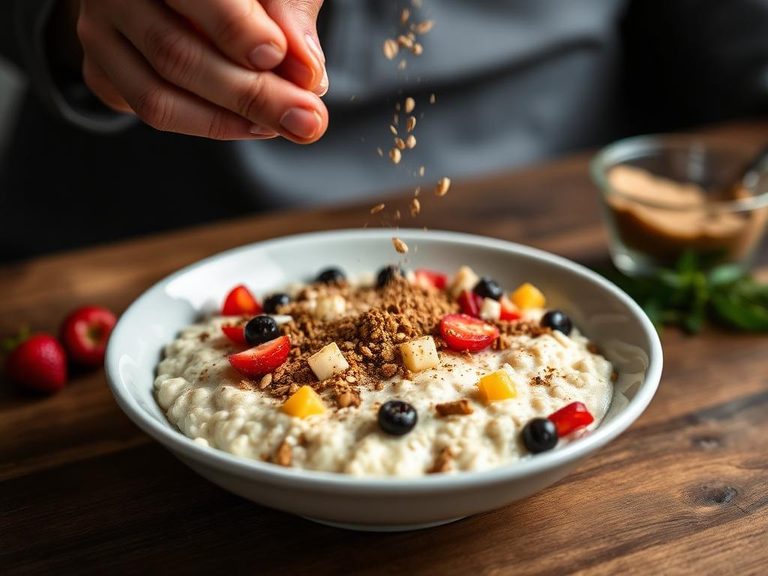
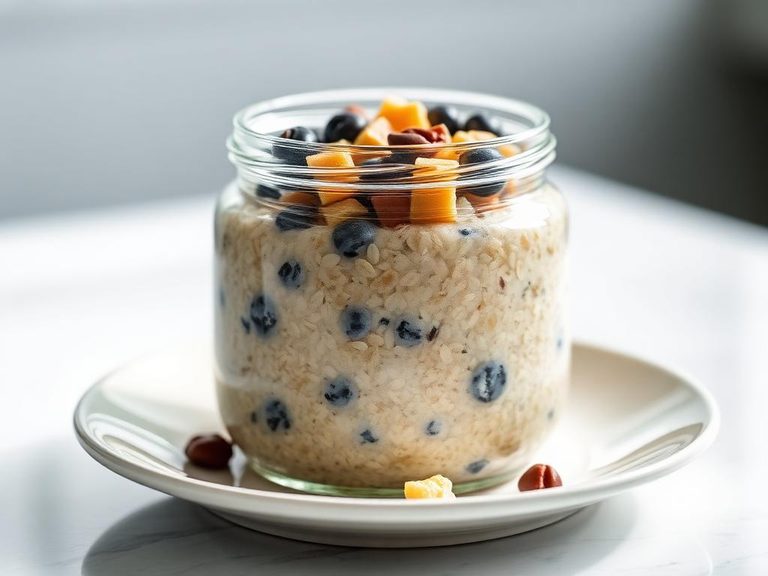
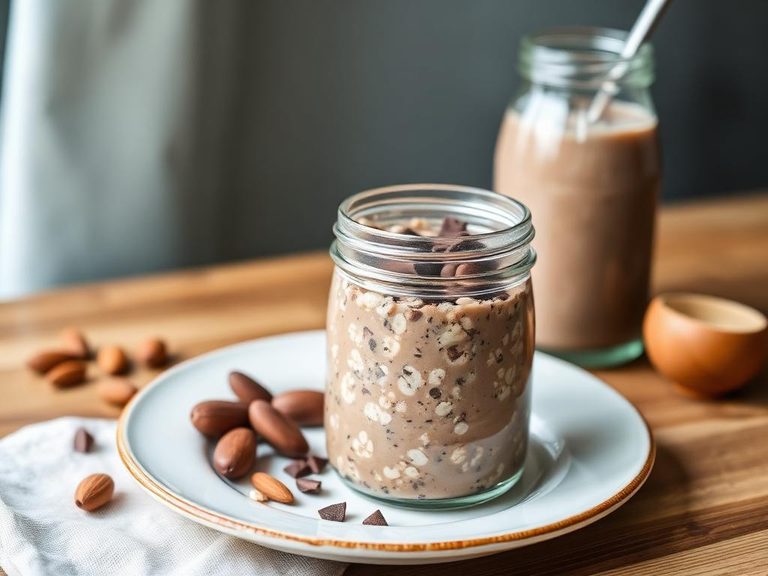
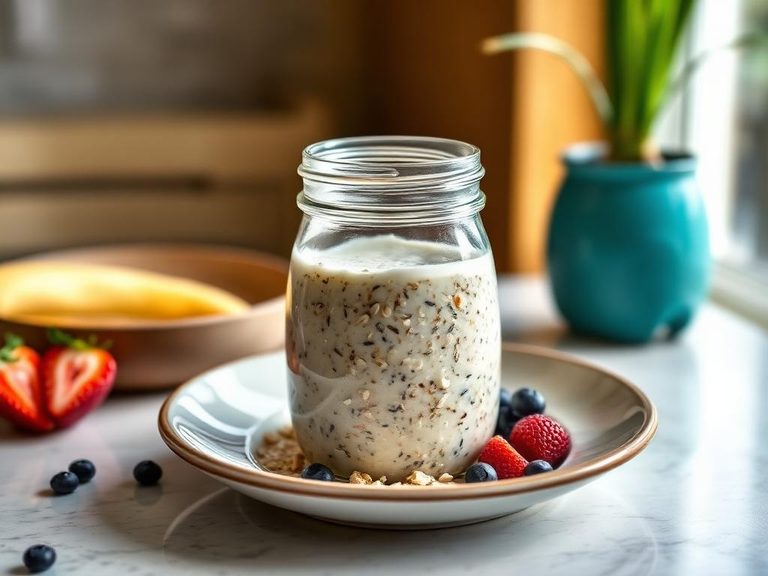
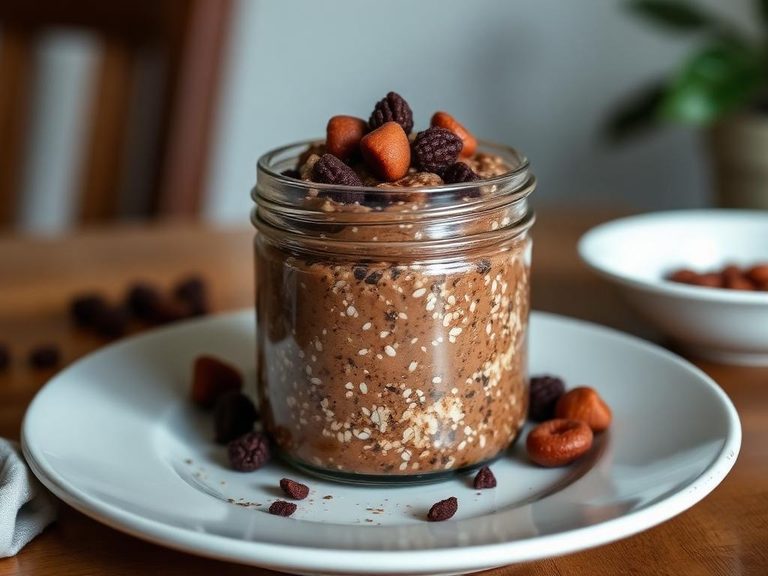
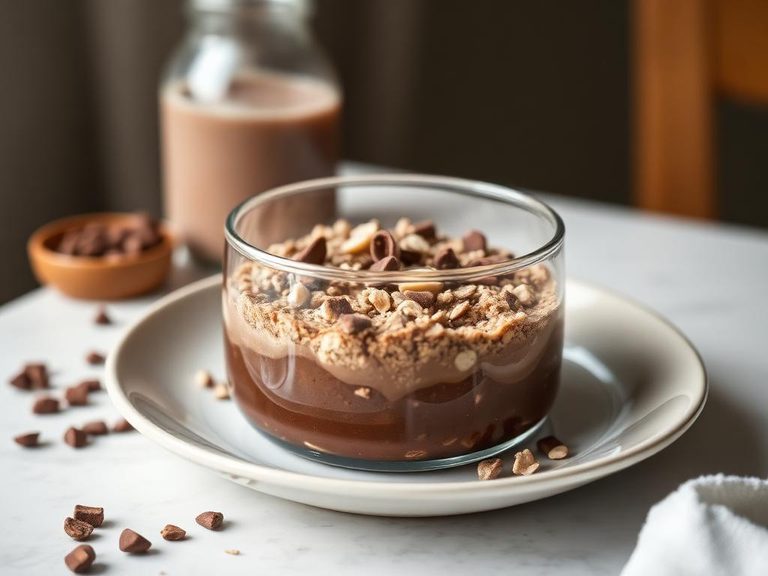
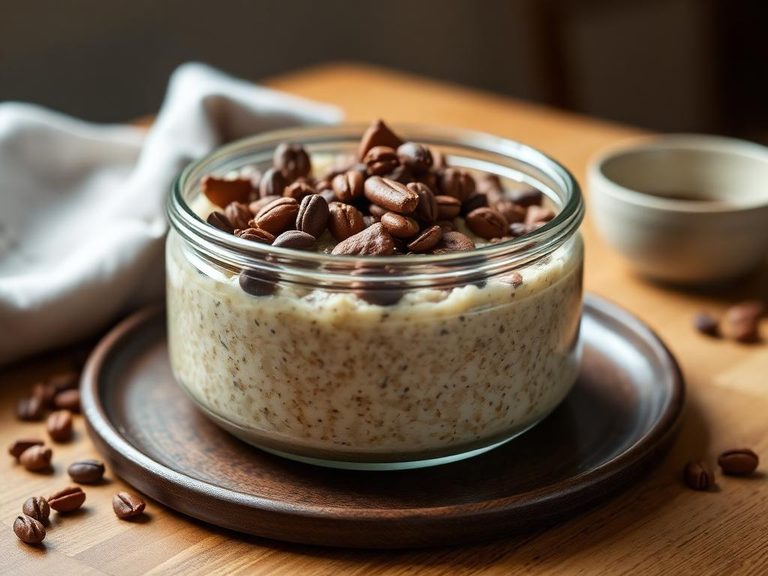
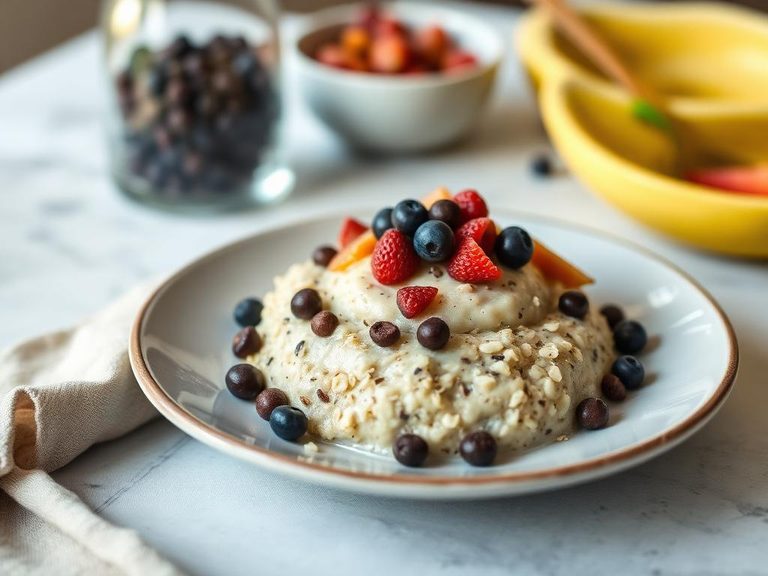
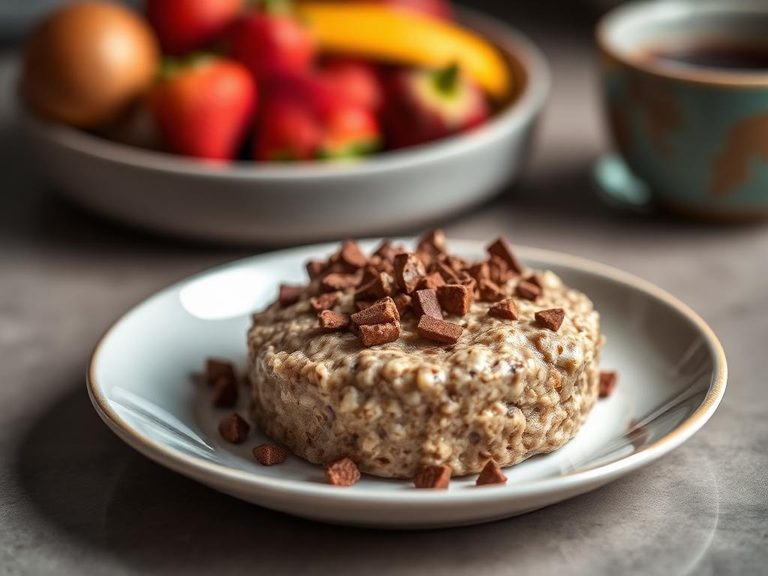
Flavoring for overnight oats refers to the various ingredients added to the classic no-cook breakfast of oats soaked in liquid, typically milk or yogurt, to enhance its taste. Common flavorings include sweeteners like maple syrup or honey, spices such as cinnamon or nutmeg, and extracts like vanilla. This customizable approach is a modern, convenient twist on traditional oatmeal preparations.
🍽️ Nutrition at a glance
The nutritional profile varies greatly depending on the specific flavorings used, but the base of oats provides a good source of complex carbohydrates and fiber. Adding ingredients like nuts, seeds, or protein powder can boost the protein and healthy fat content, making a well-balanced serving typically range from 250 to 400 calories.
Nutrition breakdown
| Calories | 120 kcal |
| Protein | 2.5 g |
| Carbs | 22 g |
| Fat | 3 g |
| Fiber | 3 g |
| Sugar | 12 g |
| Sodium | 15 mg |
| Potassium | 180 mg |
| Magnesium | 45 mg |
| Phosphorus | 80 mg |
| Iron | 1.2 mg |
| Zinc | 0.8 mg |
| Manganese | 0.9 mg |
| Vitamin B1 (Thiamine) | 0.1 mg |
| Copper | 0.15 mg |
Per 1/4 cup (60 g) · estimated, varies by recipe
💡 What's interesting
The concept is nutritionally interesting because it allows for precise control over sugar and nutrient intake, turning a simple grain into a highly personalized meal. Culturally, it represents a global fusion trend, where the base of Scottish or Northern European oatmeal is adapted with flavors from around the world, like matcha, cardamom, or tropical fruits.