

Fish and Chips Side
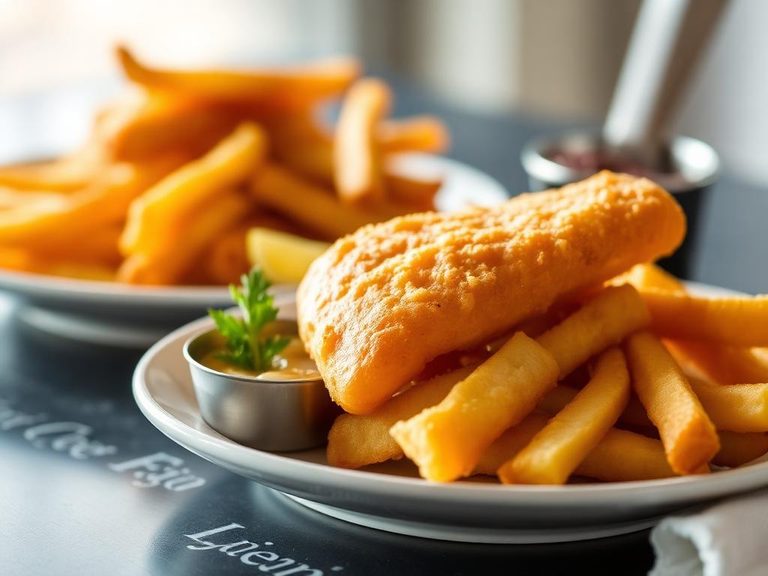
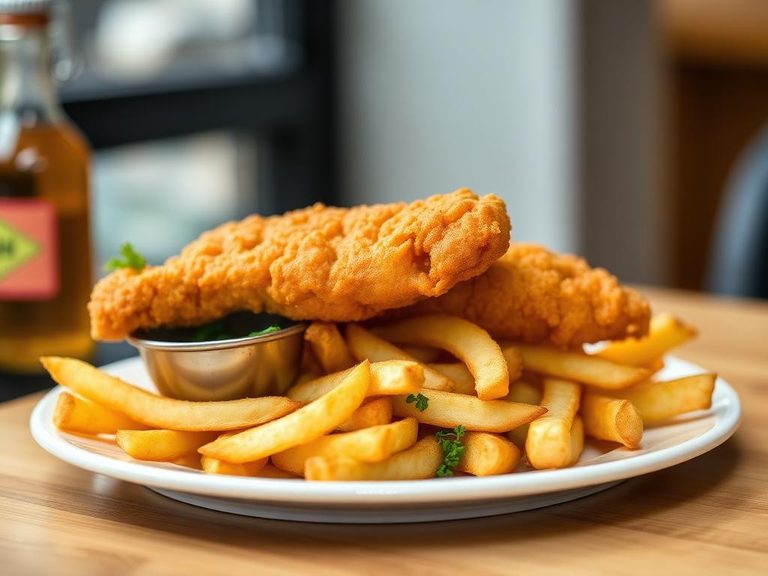
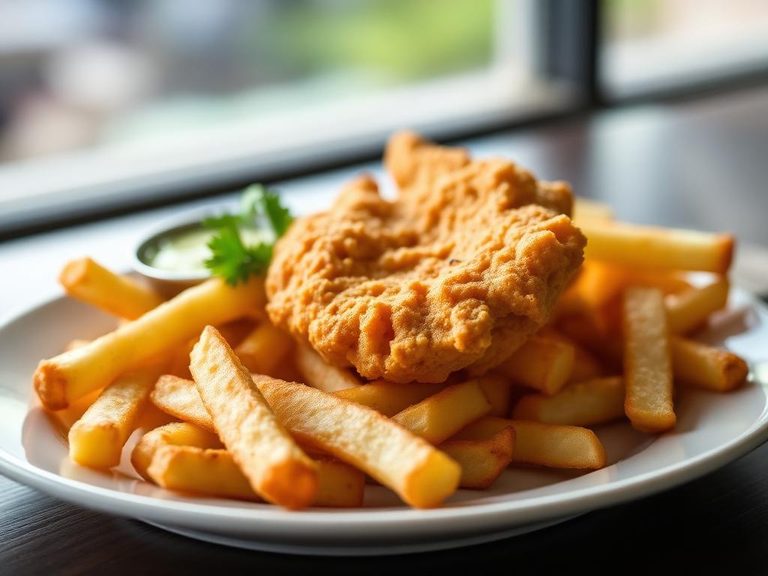
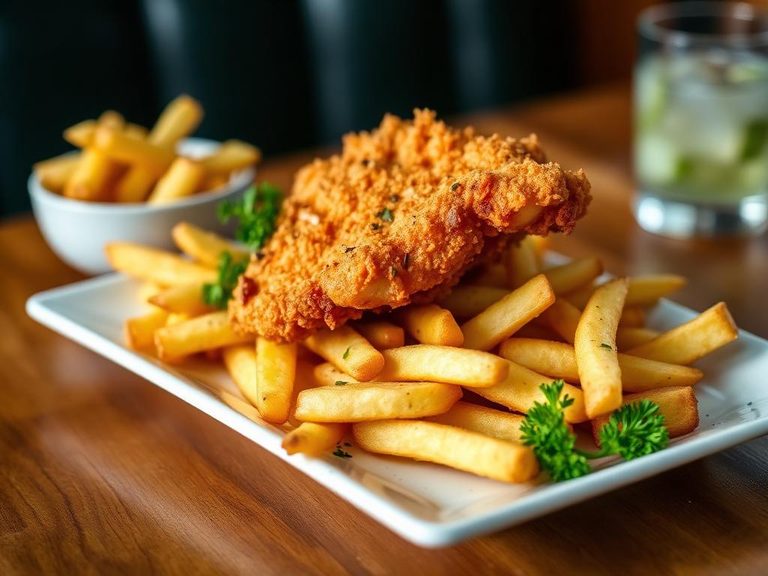
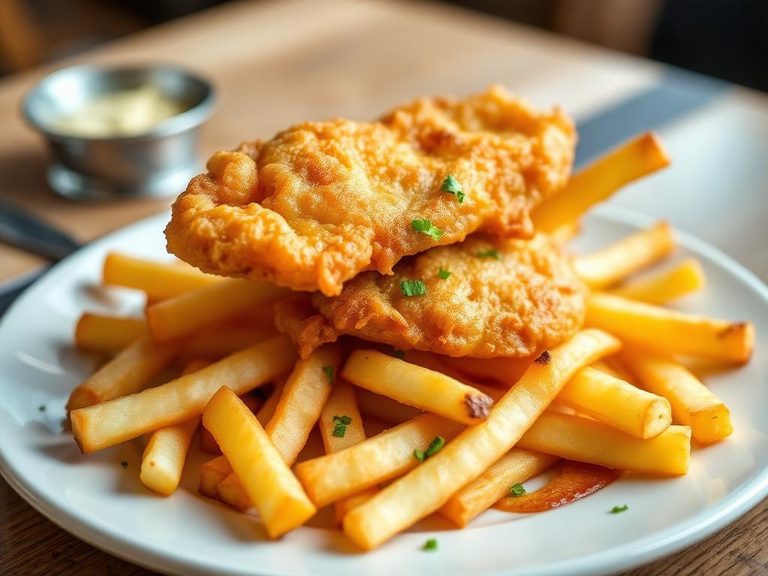
Fish and Chips is a classic British dish featuring battered and deep-fried white fish, such as cod or haddock, served alongside thick-cut fried potatoes. The fish is typically coated in a light, crispy batter, while the chips are chunky and golden, often seasoned with salt and vinegar. This hearty meal is a staple of British cuisine, particularly associated with seaside towns and traditional chip shops.
🍳 View the full Fish and Chips Side recipe →
🍽️ Nutrition at a glance
Fish and Chips is high in fat and carbohydrates due to the deep-frying process, but it also provides a good amount of protein from the fish. A typical serving can range from 800 to 1,200 calories, depending on portion size and preparation, and it offers nutrients like omega-3 fatty acids, vitamin D, and iron.
Nutrition breakdown
| Calories | 850 kcal |
| Protein | 25 g |
| Carbs | 90 g |
| Fat | 45 g |
| Fiber | 6 g |
| Sugar | 4 g |
| Sodium | 1100 mg |
| Potassium | 650 mg |
| Phosphorus | 300 mg |
| Magnesium | 60 mg |
| Vitamin B12 | 2.5 µg |
| Niacin (B3) | 8 mg |
| Vitamin B6 | 0.5 mg |
| Iron | 2.5 mg |
| Zinc | 2 mg |
Per 1 serving (350 g) · estimated, varies by recipe
💡 What's interesting
Culturally, Fish and Chips became a symbol of British working-class resilience during the Industrial Revolution, as it was an affordable and filling meal. Nutritionally, while often considered indulgent, the fish component can be a source of beneficial omega-3s, making it a dish that balances comfort with some nutritional value when enjoyed in moderation.
🍽️ Related dishes

AI estimate may be inaccurate · Terms