

Filipino Buko Pandan
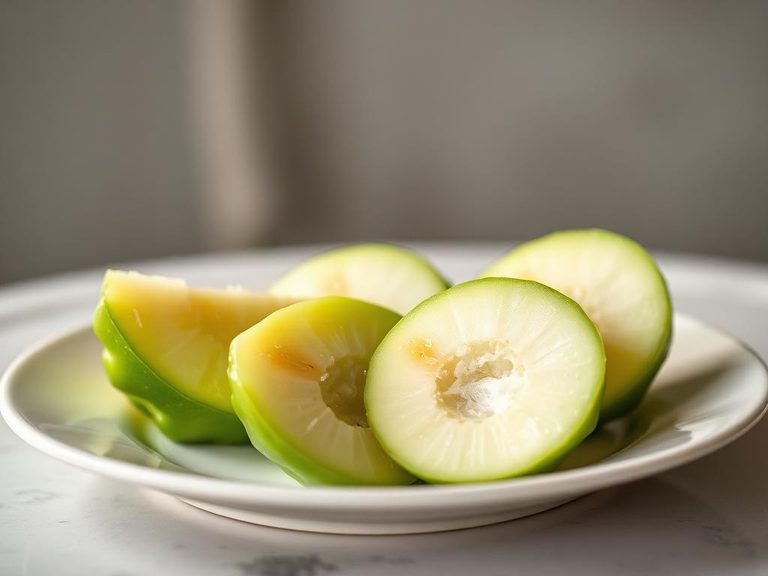
Buko Pandan is a beloved Filipino chilled dessert made from young coconut strips (buko) and pandan-flavored gelatin cubes, typically served in a sweet, creamy coconut milk or condensed milk base. It originates from the Philippines, where both coconut and pandan are staple ingredients in traditional sweets. The dish is a staple at parties, celebrations, and as a refreshing treat during the hot tropical climate.
🍽️ Nutrition at a glance
This dessert is high in carbohydrates and fats, primarily from added sugars and coconut milk, providing a quick energy boost. A typical serving offers key nutrients like potassium from coconut and small amounts of calcium, but it is generally considered an indulgent treat rather than a nutrient-dense food.
Nutrition breakdown
| Calories | 280 kcal |
| Protein | 2.5 g |
| Carbs | 38 g |
| Fat | 14 g |
| Fiber | 2 g |
| Sugar | 30 g |
| Sodium | 45 mg |
| Potassium | 280 mg |
| Manganese | 0.8 mg |
| Copper | 0.2 mg |
| Iron | 1.2 mg |
| Magnesium | 25 mg |
| Vitamin C | 4 mg |
| Calcium | 20 mg |
| Phosphorus | 40 mg |
Per 1 cup (240 g) · estimated, varies by recipe
💡 What's interesting
Culturally, Buko Pandan showcases the Filipino love for combining tropical flavors and textures, often served at fiestas and family gatherings. Nutritionally, while it's high in calories, the young coconut provides some dietary fiber and electrolytes, making it a more hydrating dessert option compared to baked goods.
🍽️ Related dishes

AI estimate may be inaccurate · Terms