Diabetic-friendly baked goods
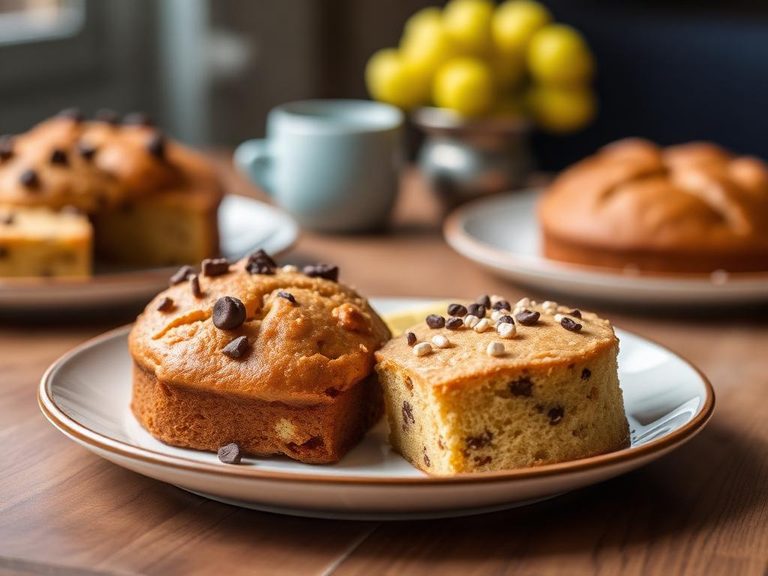
Diabetic-friendly baked goods are desserts or breads specifically formulated to minimize blood sugar spikes by replacing refined flour and sugar with low-glycemic alternatives. Common ingredients include almond flour, coconut flour, stevia, or erythritol, often combined with high-fiber components like chia seeds or flaxseed. While the concept is global, these recipes are particularly popular in Western countries where low-carb and ketogenic dietary trends are prevalent.
🍽️ Nutrition at a glance
These baked goods are typically low in carbohydrates and sugar, making them suitable for managing blood glucose levels, while often being higher in fat and protein due to the use of nut flours. A single serving usually provides a moderate amount of fiber and essential minerals, with a calorie count generally ranging between 150 and 250 kcal depending on the specific recipe.
Nutrition breakdown
| Calories | 200 kcal |
| Protein | 6 g |
| Carbs | 12 g |
| Fat | 15 g |
| Fiber | 4 g |
| Sugar | 2 g |
| Sodium | 120 mg |
| Magnesium | 60 mg |
| Vitamin E | 3 mg |
| Iron | 1.5 mg |
| Calcium | 80 mg |
| Potassium | 180 mg |
| Zinc | 0.8 mg |
Per 1 piece (80 g) · estimated, varies by recipe
💡 What's interesting
What makes these baked goods unique is their reliance on alternative sweeteners and flours that mimic the texture of traditional pastries without the glycemic impact. Nutritionally, they often provide a higher satiety factor than standard baked goods, helping to stabilize energy levels throughout the day.