Decorative Base for Mini Dessert Tarts
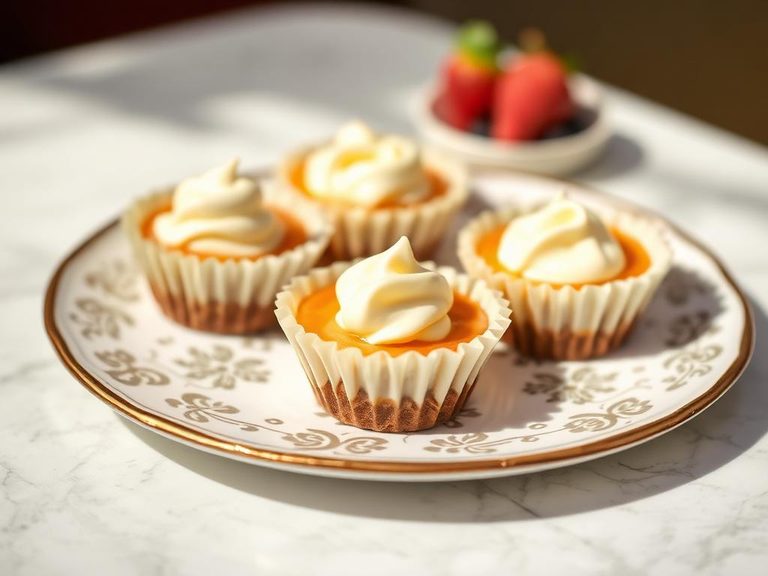
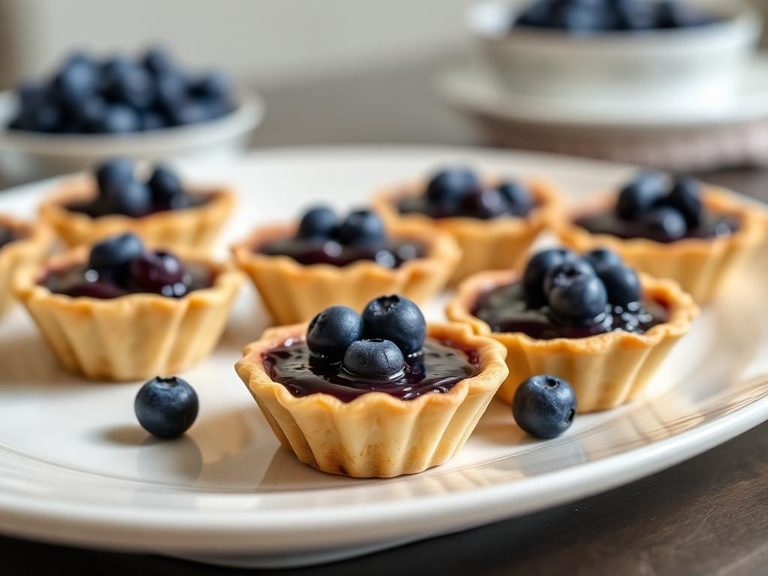
This is an edible, decorative base designed to support mini dessert tarts, often serving as a structural and aesthetic foundation. It is typically crafted from ingredients like shortcrust pastry, almond flour, or crushed cookies, providing a sturdy yet delicate platform for various fillings. Originating from the world of professional pastry and confectionery, it is a staple in elegant dessert presentations.
🍽️ Nutrition at a glance
The base is generally high in carbohydrates and fat due to its flour and butter content, with a moderate amount of protein if nut flours are used. A single serving, depending on size and ingredients, typically ranges from 80 to 150 calories, offering primarily energy and small amounts of minerals like iron or magnesium.
Nutrition breakdown
| Calories | 70 kcal |
| Protein | 1 g |
| Carbs | 8 g |
| Fat | 4 g |
| Fiber | 0.5 g |
| Sugar | 3 g |
| Sodium | 45 mg |
| Potassium | 25 mg |
| Calcium | 15 mg |
| Iron | 0.4 mg |
| Magnesium | 5 mg |
| Phosphorus | 20 mg |
| Zinc | 0.1 mg |
| Vitamin B1 (Thiamin) | 0.02 mg |
| Vitamin B2 (Riboflavin) | 0.01 mg |
Per 1 shell (approx. 15 g) · estimated, varies by recipe
💡 What's interesting
Its unique role is to merge structural engineering with culinary art, allowing for intricate, multi-layered dessert designs that are both visually stunning and functional. Nutritionally, it can be adapted to be gluten-free or lower in sugar by using alternative flours, making it a versatile component in modern, health-conscious pastry.