

Decorative cake and cookie topping
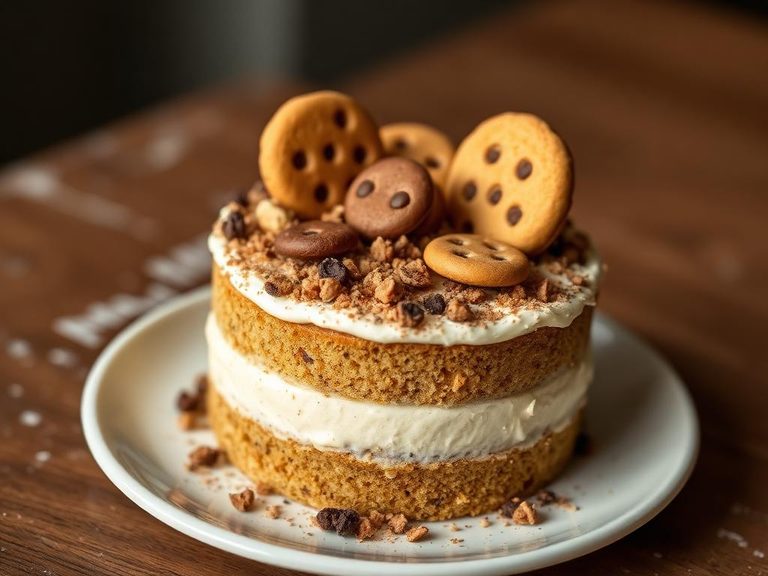
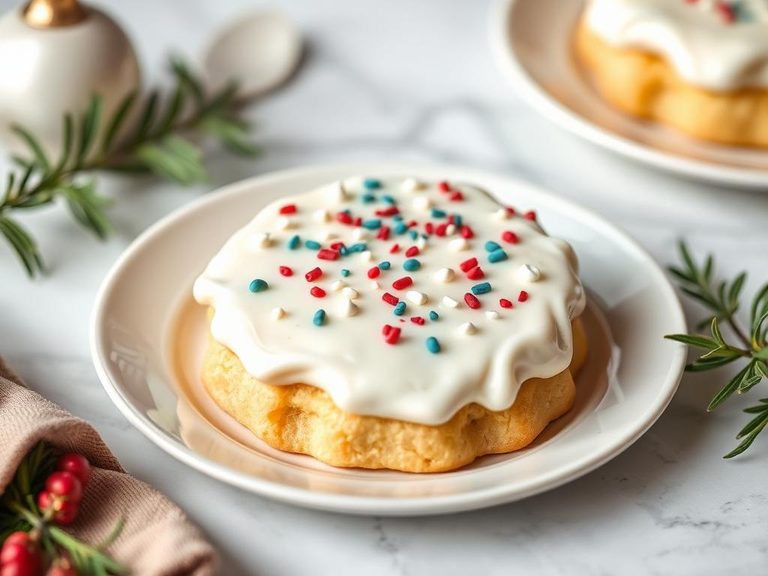
Decorative cake and cookie topping refers to a wide variety of edible embellishments, such as sprinkles, icing, fondant, edible glitter, and sugar flowers, used to enhance the visual appeal of baked goods. These toppings are typically made from sugar, cornstarch, food-grade waxes, and food coloring, and are a staple in bakeries and home kitchens worldwide, especially for celebrations.
🍳 View the full Decorative cake and cookie topping recipe →
🍽️ Nutrition at a glance
As these toppings are primarily composed of sugar and starches, they are very high in carbohydrates and provide little to no protein or fat. A typical serving (e.g., a tablespoon of sprinkles) contains about 20-30 calories, offering a quick source of energy but minimal essential nutrients.
Nutrition breakdown
| Calories | 120 kcal |
| Protein | 0.5 g |
| Carbs | 18 g |
| Fat | 5 g |
| Fiber | 0.2 g |
| Sugar | 14 g |
| Sodium | 15 mg |
| Calcium | 10 mg |
| Iron | 0.1 mg |
| Potassium | 15 mg |
| Vitamin A | 10 IU |
| Vitamin D | 0 IU |
| Vitamin E | 0.5 mg |
| Vitamin K | 1 mcg |
| Phosphorus | 10 mg |
Per 1/4 cup (30 g) · estimated, varies by recipe
💡 What's interesting
Culturally, these toppings are central to the art of 'cake decorating,' which has evolved into a competitive craft and a form of personal expression for celebrations like birthdays and weddings. Nutritionally, they are often fortified with food-grade dyes and may include non-nutritive additives to achieve vibrant colors and textures, making them a focal point in discussions about food aesthetics versus nutritional value.
🍽️ Related dishes


AI estimate may be inaccurate · Terms