Decorated wedding cakes
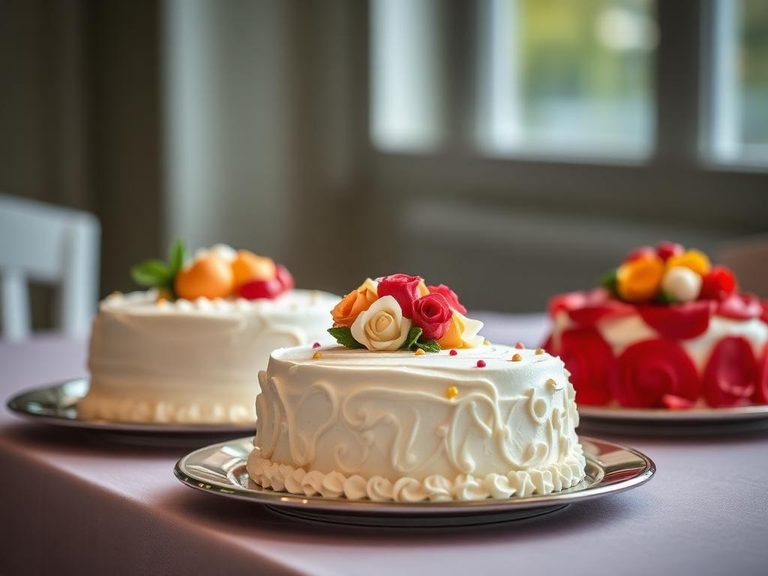
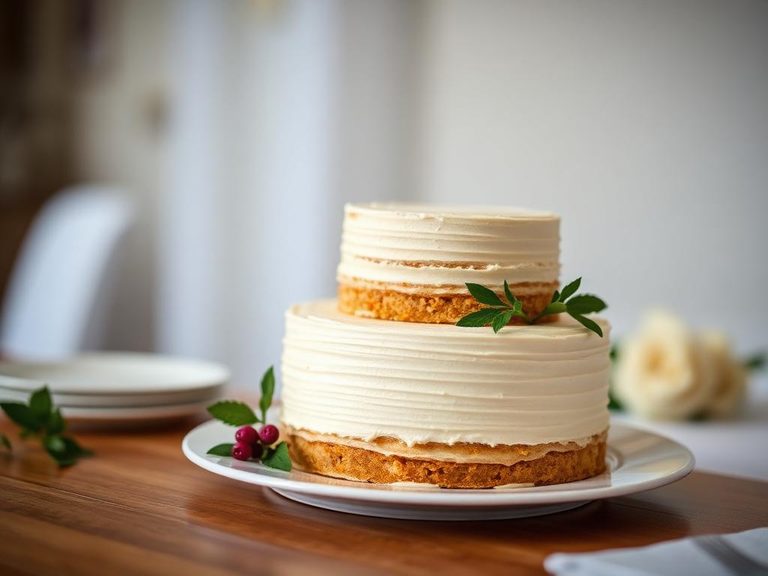
Decorated wedding cakes are elaborate, multi-tiered cakes designed as a centerpiece for wedding receptions, symbolizing celebration and the couple's new life together. They are typically made from layers of sponge cake (like vanilla or chocolate) filled and covered with buttercream, fondant, or ganache, and adorned with intricate sugar flowers, piping, or figurines. This tradition is deeply rooted in Western culture, particularly European and American weddings.
🍽️ Nutrition at a glance
A typical slice is very high in carbohydrates and fat, primarily from sugar, refined flour, and butter or shortening. It provides a significant calorie boost but offers minimal essential nutrients, with a rough estimate of 400-600 calories per standard serving.
Nutrition breakdown
| Calories | 450 kcal |
| Protein | 4 g |
| Carbs | 62 g |
| Fat | 22 g |
| Fiber | 0.5 g |
| Sugar | 48 g |
| Sodium | 200 mg |
| Iron | 1.2 mg |
| Calcium | 40 mg |
| Vitamin B1 (Thiamin) | 0.1 mg |
| Vitamin B2 (Riboflavin) | 0.1 mg |
| Vitamin B3 (Niacin) | 1.5 mg |
| Phosphorus | 50 mg |
Per 1 slice (120 g) · estimated, varies by recipe
💡 What's interesting
Culturally, the cake-cutting ceremony is a symbolic first task for the newlyweds, often followed by feeding each other a bite. Nutritionally, its value is purely celebratory; it's an indulgence meant for special occasions rather than a source of sustenance.