

Cereal & oatmeal
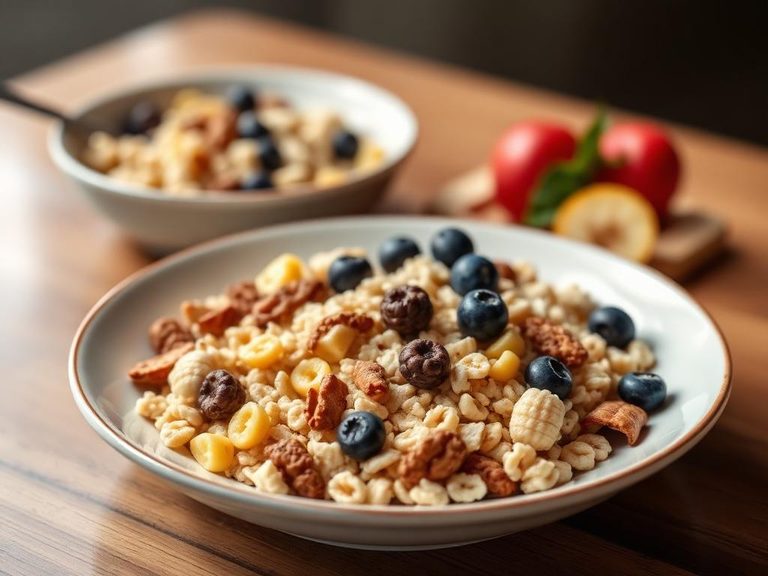
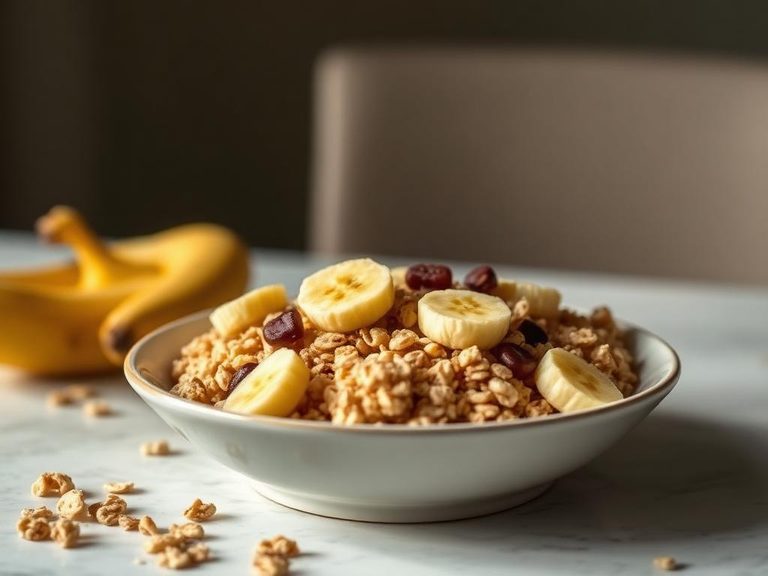
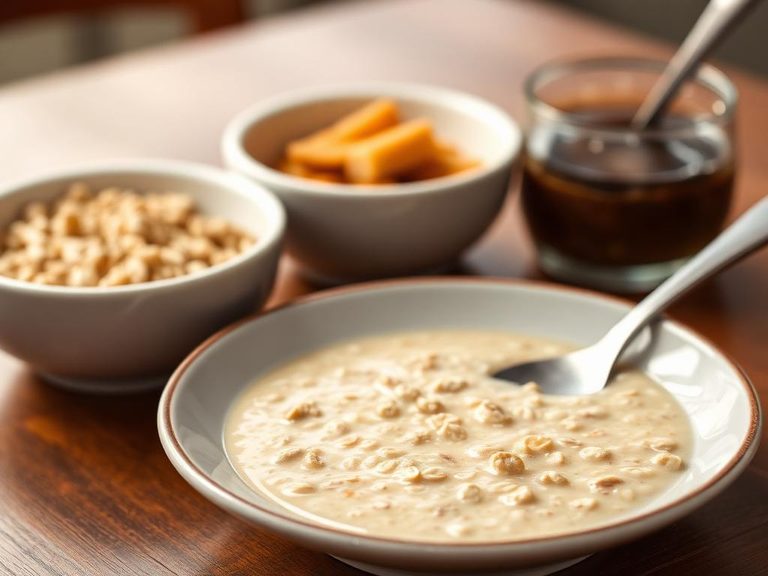
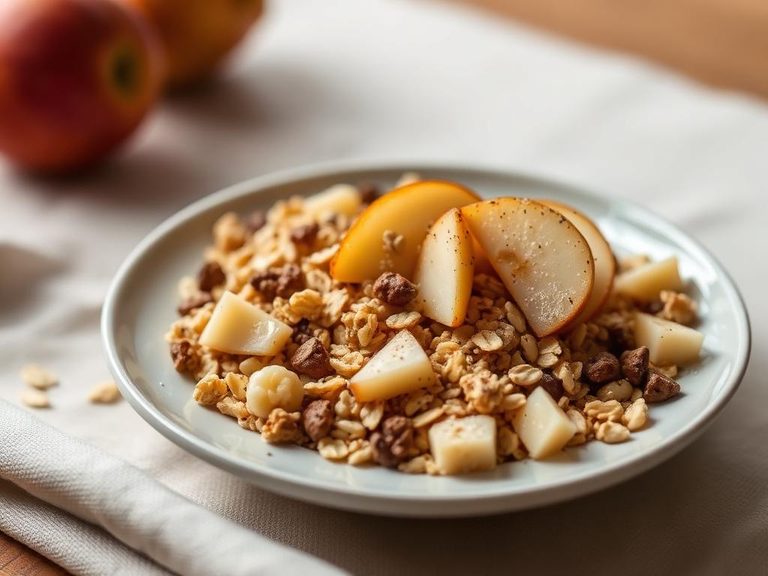
Cereal and oatmeal are warm or cold breakfast dishes made from processed grains, typically served with milk or water. Cereal often includes ready-to-eat flakes, puffs, or granola, while oatmeal is made from rolled or steel-cut oats cooked into a porridge. Both are staples in Western breakfasts, particularly in North America and Europe.
🍽️ Nutrition at a glance
These dishes are high in carbohydrates, providing a quick source of energy, and often contain added sugars, especially in flavored cereals. They offer key nutrients like fiber (especially oatmeal), iron, and B vitamins, with a typical serving ranging from 150 to 300 calories depending on preparation and additions.
Nutrition breakdown
| Calories | 250 kcal |
| Protein | 8 g |
| Carbs | 45 g |
| Fat | 5 g |
| Fiber | 5 g |
| Sugar | 12 g |
| Sodium | 200 mg |
| Iron | 8 mg |
| Calcium | 150 mg |
| Potassium | 250 mg |
| Magnesium | 60 mg |
| Phosphorus | 200 mg |
| Zinc | 3 mg |
| Vitamin B1 (Thiamin) | 0.5 mg |
| Folate | 100 mcg |
Per 1 cup (240 g) · estimated, varies by recipe
💡 What's interesting
Oatmeal has been a dietary staple for centuries, valued for its heart-healthy beta-glucan fiber, while modern cereals became popular in the early 20th century as a convenient, mass-produced breakfast option. Nutritionally, oatmeal is often considered a whole-food choice, whereas many commercial cereals are fortified but can be high in sugar, highlighting a cultural shift towards quick, processed meals.
🍽️ Related dishes
AI estimate may be inaccurate · Terms