

Canned Pears
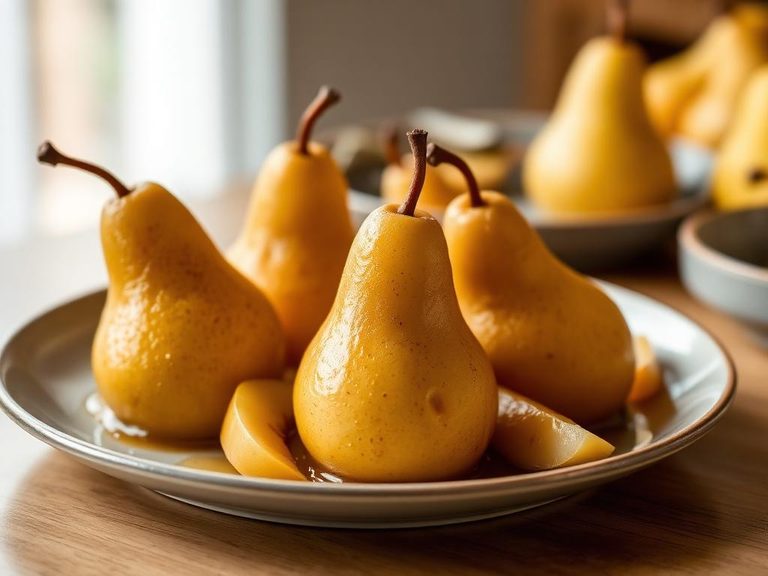
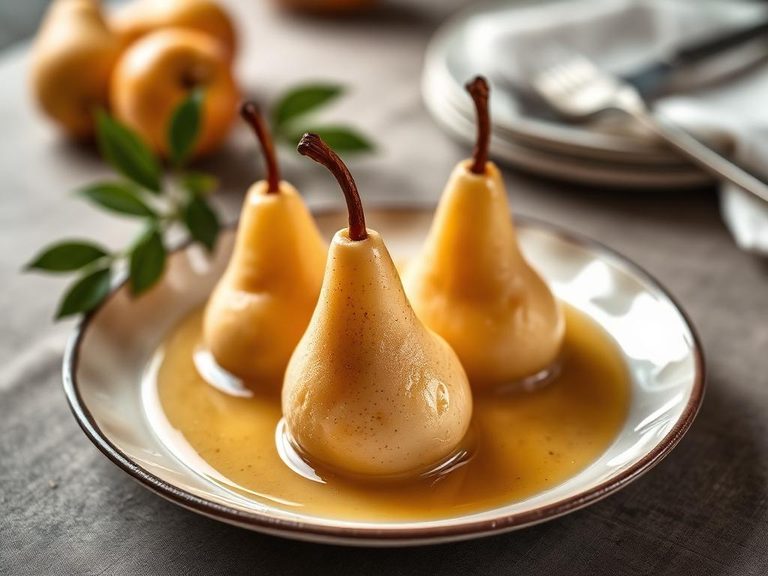
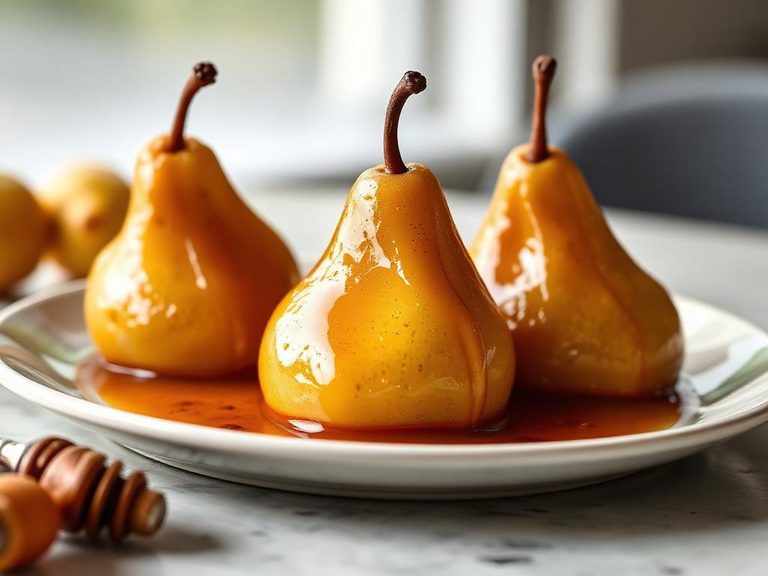
Canned pears are a convenient, shelf-stable fruit product made by preserving peeled, cored, and sliced pears in a liquid syrup or fruit juice. They are a staple pantry item in many households, offering a sweet, soft texture year-round. The dish is a globalized version of traditional fruit preservation methods, widely popular in North America and Europe.
🍳 View the full Canned Pears recipe →
🍽️ Nutrition at a glance
This dish is primarily a source of carbohydrates from natural fruit sugars and added sweeteners, with negligible fat and protein. A typical half-cup serving provides a quick energy boost, along with some dietary fiber and essential minerals like potassium and vitamin C, usually ranging from 50 to 80 calories.
Nutrition breakdown
| Calories | 100 kcal |
| Protein | 0.5 g |
| Carbs | 26 g |
| Fat | 0 g |
| Fiber | 3 g |
| Sugar | 20 g |
| Sodium | 10 mg |
| Potassium | 210 mg |
| Vitamin C | 6 mg |
| Vitamin K | 4 mcg |
| Vitamin B6 | 0.05 mg |
| Copper | 0.2 mg |
| Manganese | 0.1 mg |
| Iron | 0.5 mg |
| Magnesium | 10 mg |
Per 1 cup (244 g) · estimated, varies by recipe
💡 What's interesting
Canned pears are unique for their exceptionally soft texture, making them a classic choice for baby food, elderly diets, and as a gentle, easily digestible fruit option. Nutritionally, the canning process can sometimes increase the bioavailability of certain antioxidants compared to fresh pears, though it may also reduce some heat-sensitive vitamins.
🍽️ Related dishes
AI estimate may be inaccurate · Terms