Blended with Fruit Puree
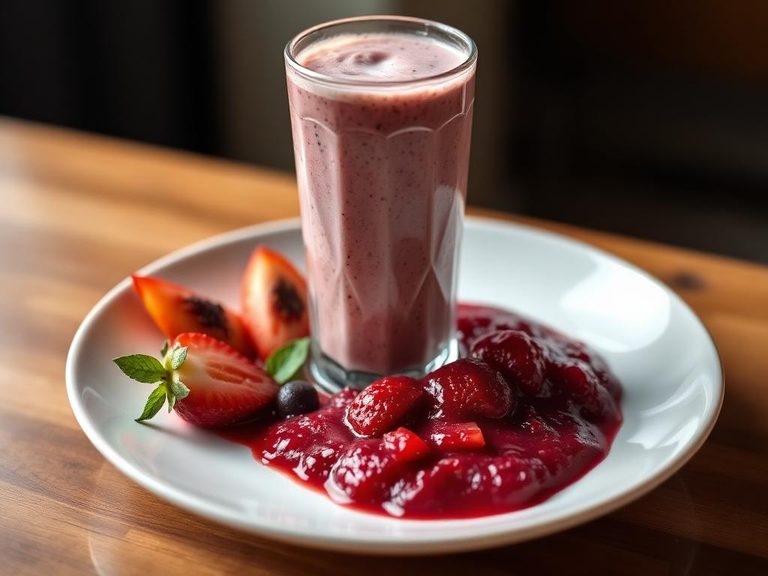
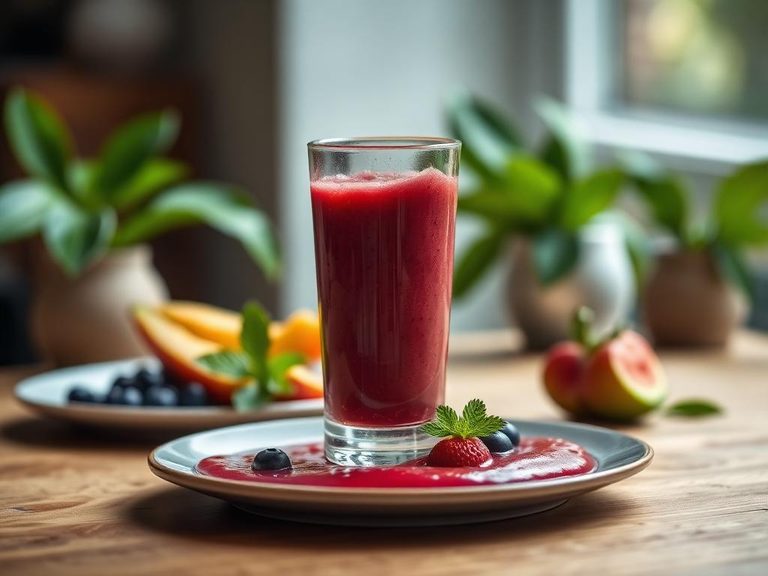
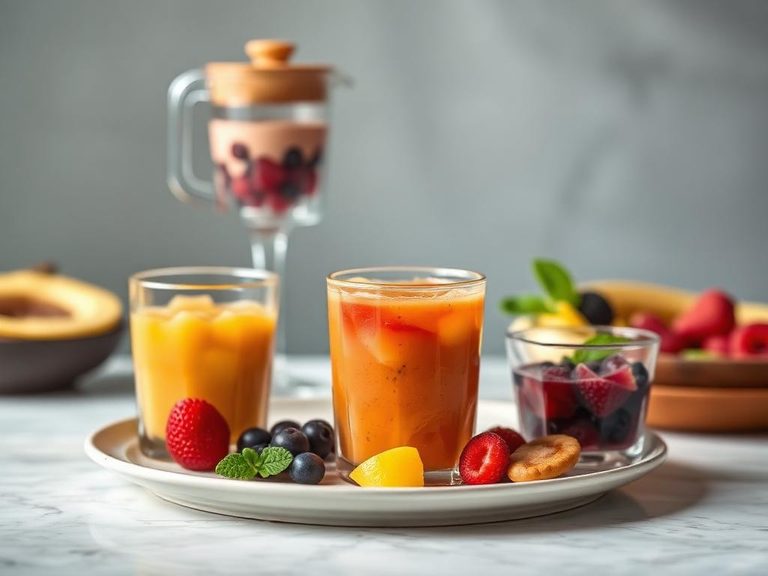
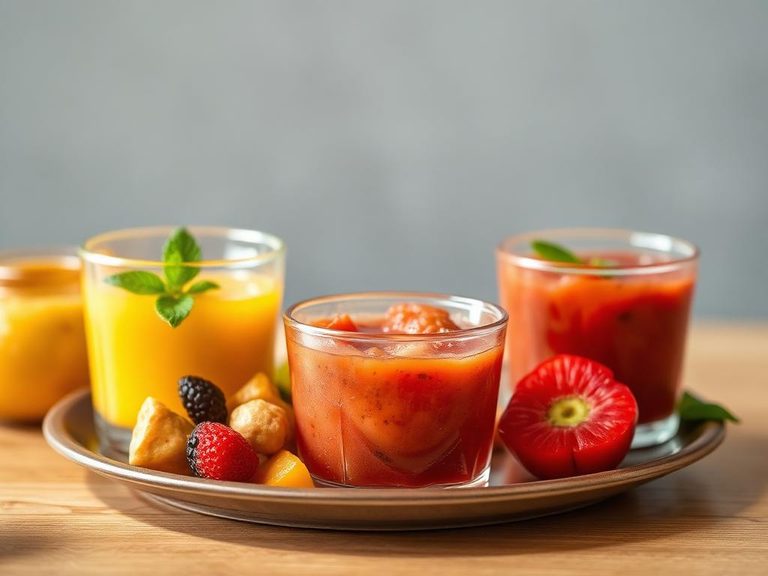
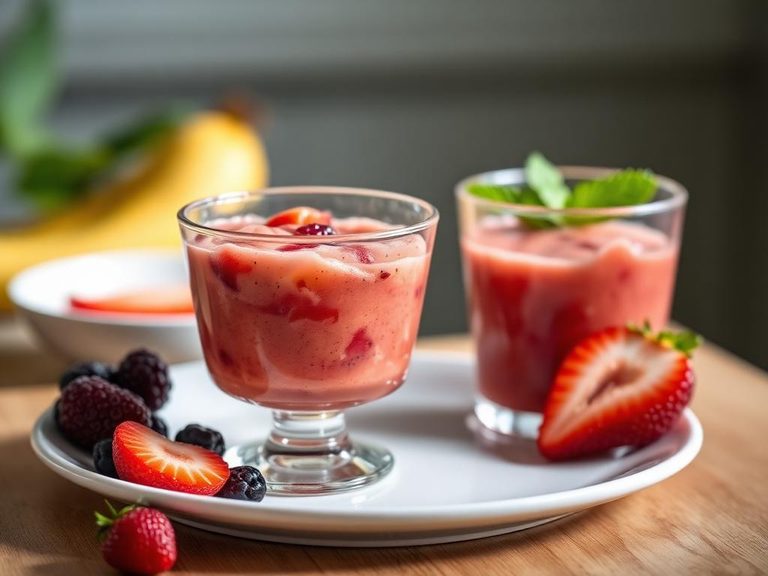
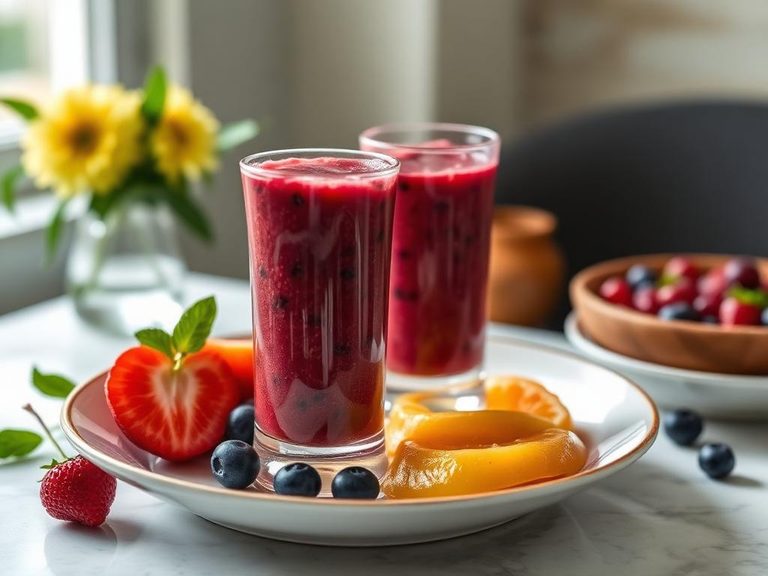
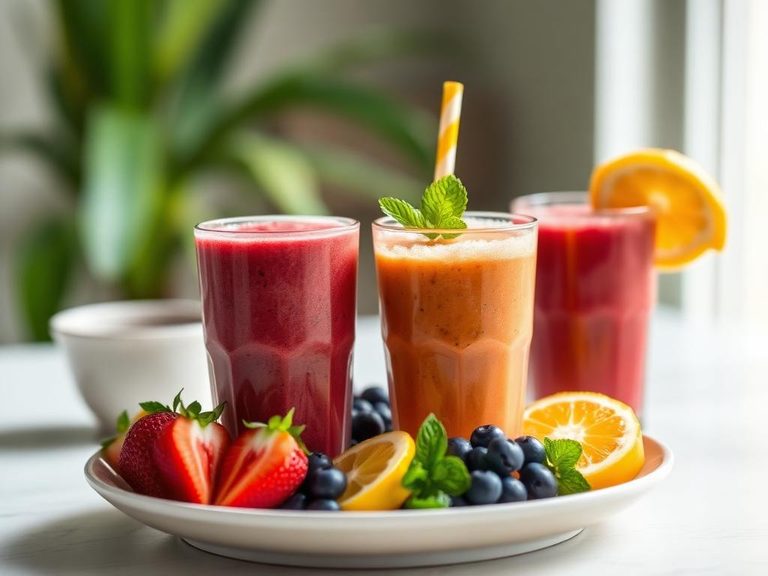
Blended with Fruit Puree is a versatile, creamy dish or ingredient created by blending whole fruits into a smooth, thick consistency. It typically features a base of fruits like mangoes, berries, or bananas, often combined with a small amount of liquid such as water, juice, or yogurt. While not tied to a single origin, this preparation method is a global culinary staple, especially popular in tropical regions and health-conscious cuisines.
🍽️ Nutrition at a glance
This dish is primarily a source of natural carbohydrates, with its calorie content varying significantly based on the fruit used and any added ingredients. It provides essential vitamins, minerals, and dietary fiber, with a typical serving containing roughly 100-200 calories.
Nutrition breakdown
| Calories | 150 kcal |
| Protein | 1.5 g |
| Carbs | 36 g |
| Fat | 0.5 g |
| Fiber | 4 g |
| Sugar | 28 g |
| Sodium | 10 mg |
| Vitamin C | 45 mg |
| Potassium | 400 mg |
| Vitamin A | 120 mcg |
| Manganese | 0.5 mg |
| Vitamin K | 15 mcg |
| Folate | 40 mcg |
| Magnesium | 25 mg |
| Vitamin B6 | 0.2 mg |
Per 1 cup (240 g) · estimated, varies by recipe
💡 What's interesting
Culturally, fruit purees serve as a foundational component in countless desserts, sauces, and beverages worldwide, from Indian lassis to French fruit coulis. Nutritionally, blending fruit breaks down cell walls, making certain nutrients like beta-carotene more bioavailable, while retaining the fiber that whole fruit provides.