Basted roasted meats
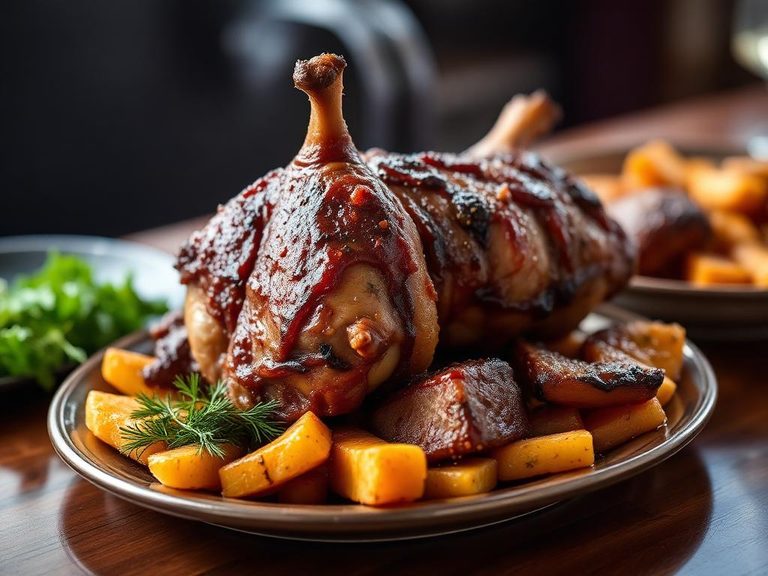
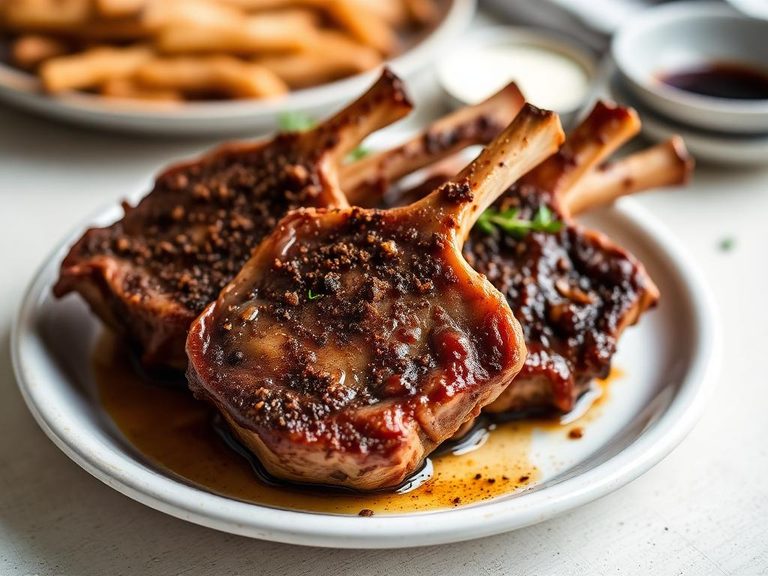
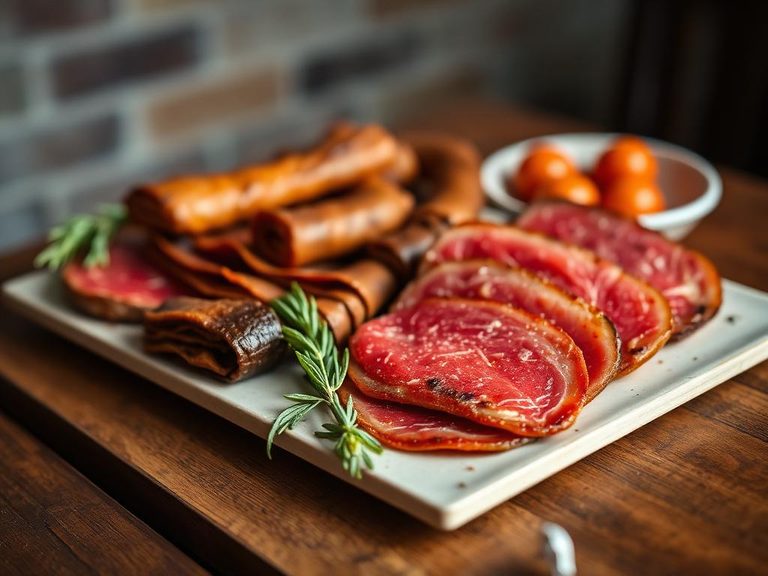
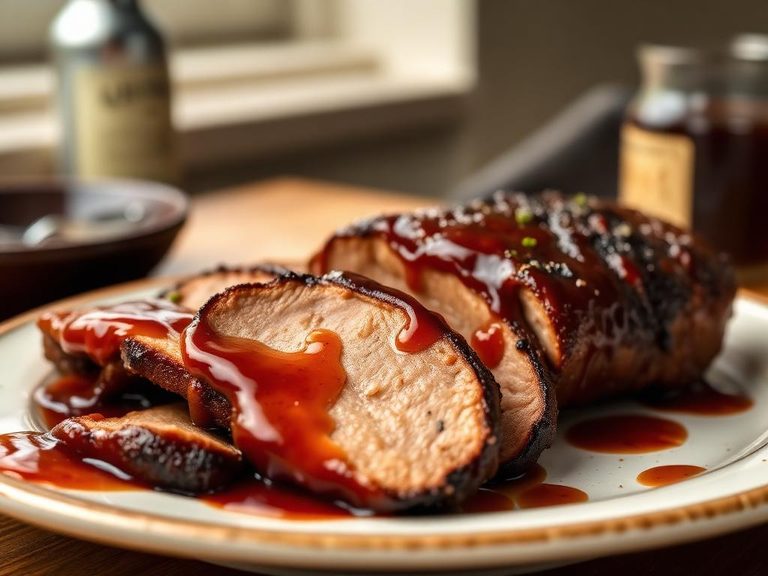
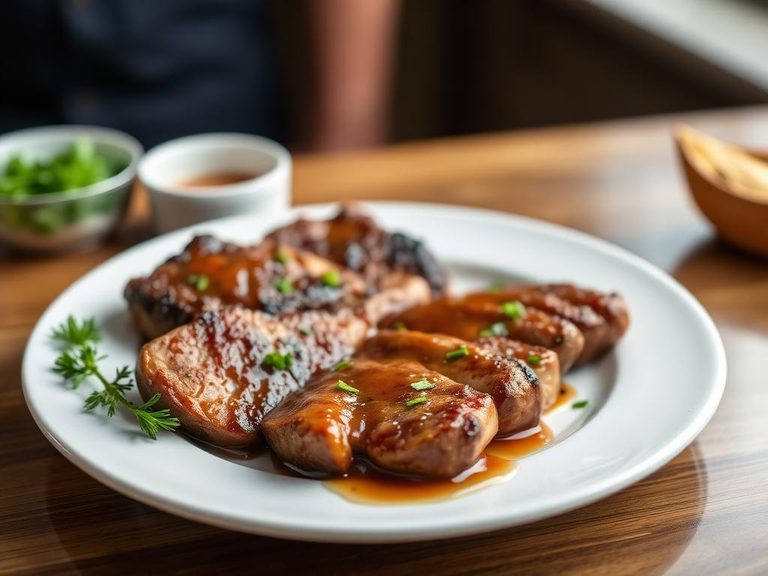
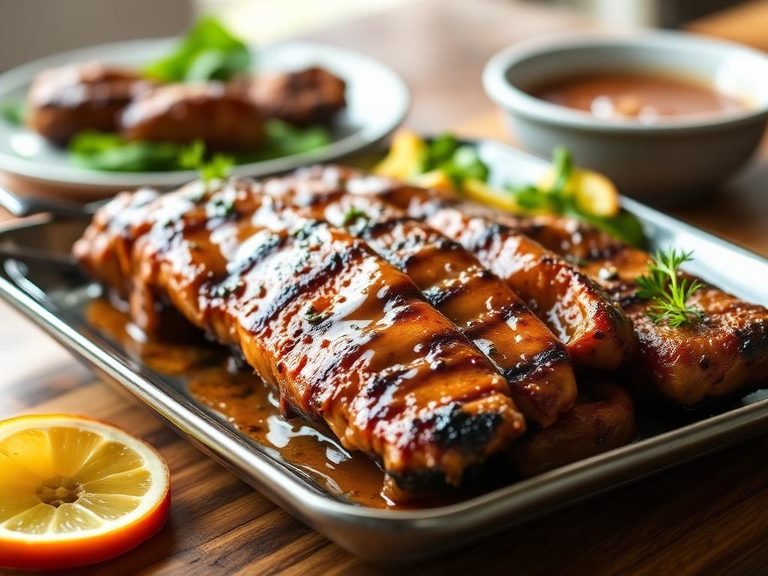
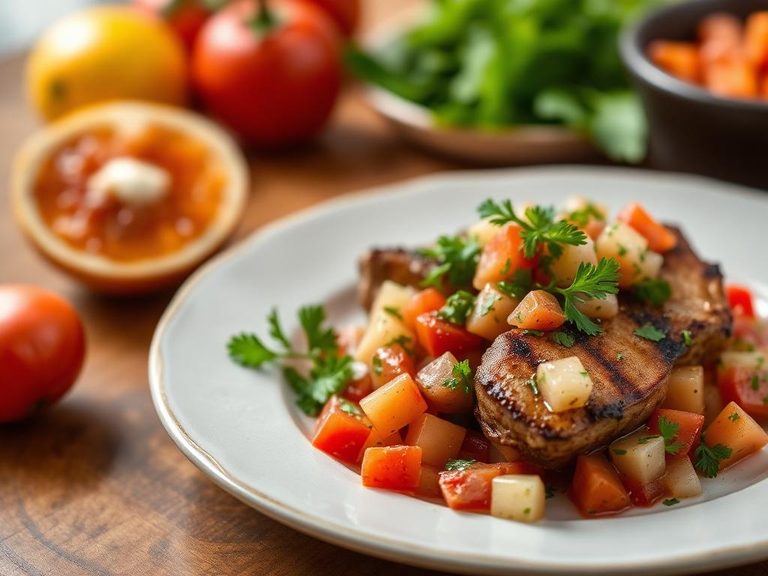
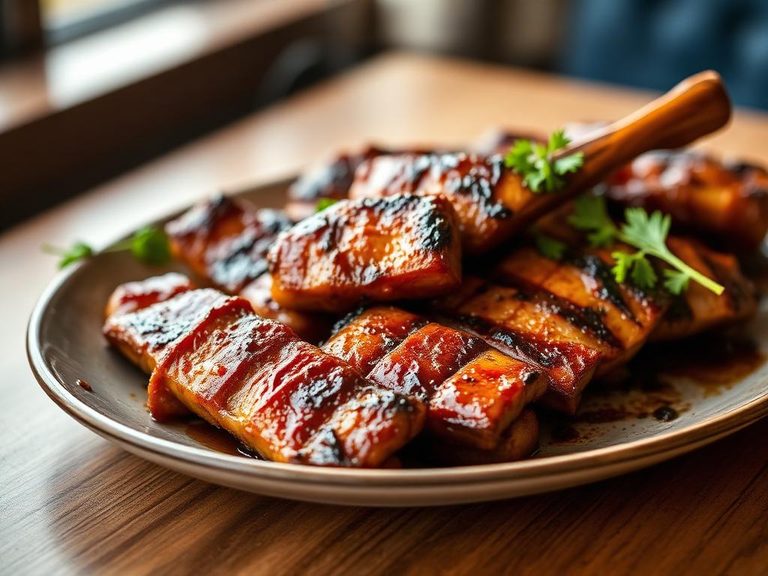
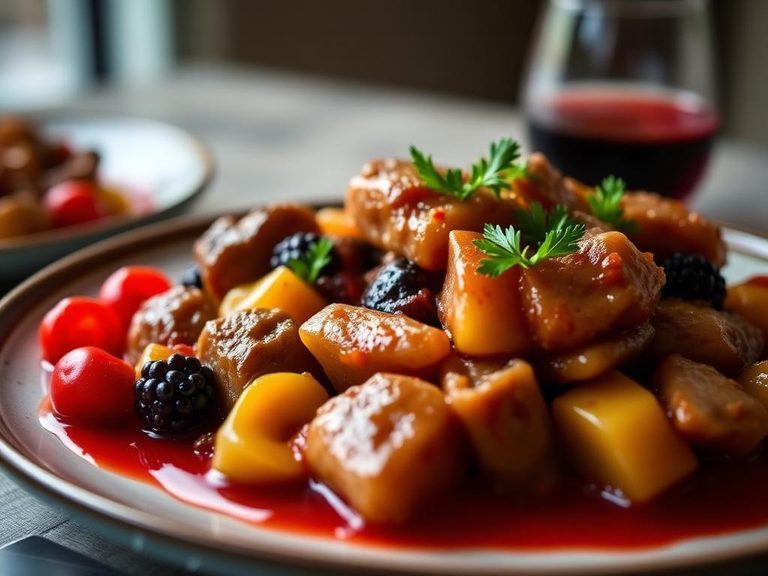
Basted roasted meats refer to a cooking technique where meat is roasted in an oven while being periodically spooned or brushed with its own rendered juices, fat, or a prepared liquid (like stock or melted butter) to keep it moist and flavorful. This method is common for cuts like chicken, turkey, beef, pork, or lamb, often seasoned with herbs and aromatics. The technique is widely used in Western cuisines, particularly in American, British, and European home cooking and holiday meals.
🍽️ Nutrition at a glance
Basted roasted meats are typically high in protein and fat, with minimal carbohydrates. They provide essential nutrients like iron, zinc, and B vitamins (especially B12), and a typical serving can range from 200 to 400 calories depending on the cut and amount of added fat.
Nutrition breakdown
| Calories | 220 kcal |
| Protein | 21 g |
| Carbs | 0 g |
| Fat | 15 g |
| Fiber | 0 g |
| Sugar | 0 g |
| Sodium | 75 mg |
| Iron | 1.2 mg |
| Zinc | 2.5 mg |
| Vitamin B12 | 0.3 mcg |
| Niacin (B3) | 5 mg |
| Phosphorus | 180 mg |
| Selenium | 22 mcg |
| Potassium | 200 mg |
| Vitamin B6 | 0.4 mg |
Per 3 oz (85 g) of roasted chicken thigh with skin, basted · estimated, varies by recipe
💡 What's interesting
The basting process not only enhances moisture and flavor but also helps create a crispy, golden-brown crust through the Maillard reaction, which is a chemical process that gives roasted meats their appealing taste and appearance. Nutritionally, the added fats from basting can increase calorie content but also aid in the absorption of fat-soluble vitamins like A, D, E, and K from the meat.