

Basbousa bil Joz
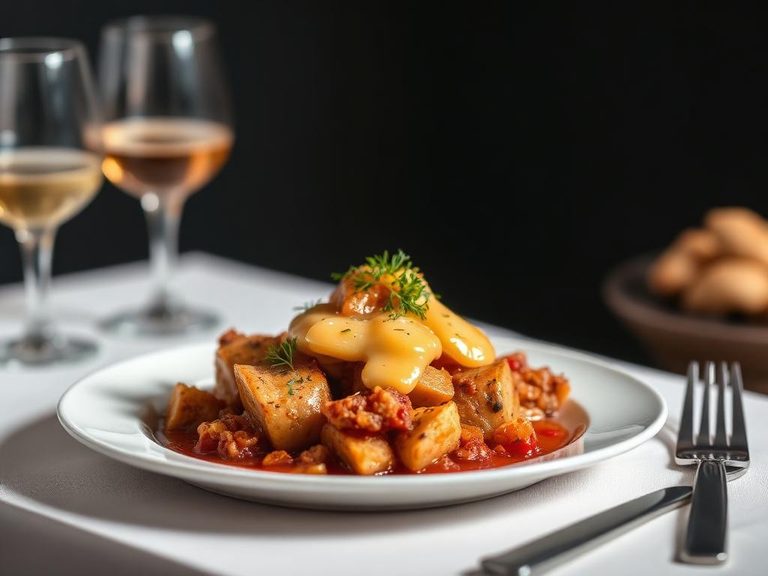
Basbousa bil Joz is a traditional Middle Eastern semolina cake, often flavored with rose or orange blossom water and generously soaked in a sweet syrup. The 'bil Joz' variant specifically incorporates walnuts, which can be mixed into the batter or sprinkled on top, adding a rich, nutty flavor and a pleasant crunch to the soft, syrup-soaked cake.
🍽️ Nutrition at a glance
This is a high-carbohydrate and high-fat dessert, with the fat primarily coming from the walnuts and sometimes butter or oil in the batter. It provides a quick energy boost from sugars and carbs, along with some healthy fats and minerals from the nuts, with a typical serving containing roughly 350-450 calories.
Nutrition breakdown
| Calories | 400 kcal |
| Protein | 6 g |
| Carbs | 55 g |
| Fat | 18 g |
| Fiber | 2 g |
| Sugar | 35 g |
| Sodium | 150 mg |
| Potassium | 120 mg |
| Magnesium | 30 mg |
| Phosphorus | 80 mg |
| Iron | 1.5 mg |
| Zinc | 0.8 mg |
| Manganese | 0.5 mg |
| Vitamin B6 | 0.1 mg |
| Folate | 15 µg |
Per 1 piece (approximately 120 g) · estimated, varies by recipe
💡 What's interesting
Culturally, Basbousa is a beloved dessert across the Arab world, often served during celebrations and holidays. Nutritionally, the inclusion of walnuts ('joz') in this version adds a beneficial source of omega-3 fatty acids and protein, making it a slightly more nutrient-dense treat compared to plain semolina cakes.
🍽️ Related dishes
AI estimate may be inaccurate · Terms