

Baked goods and pastries in regional bakeries
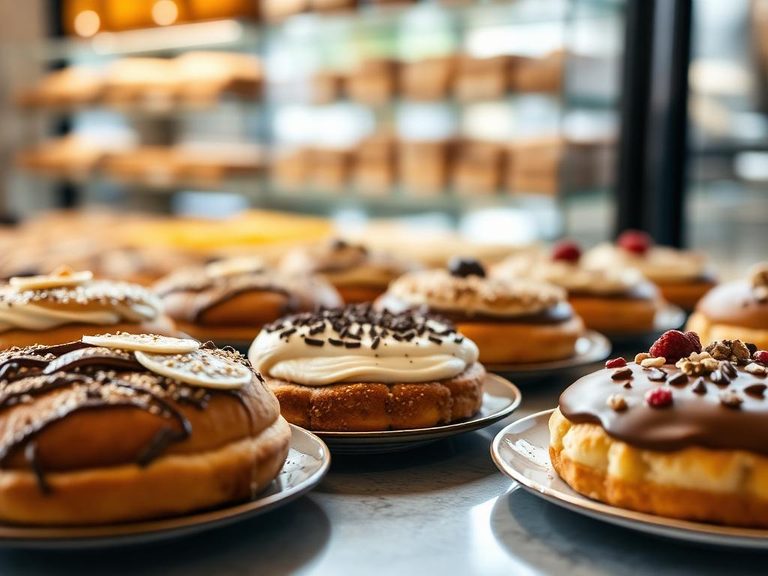
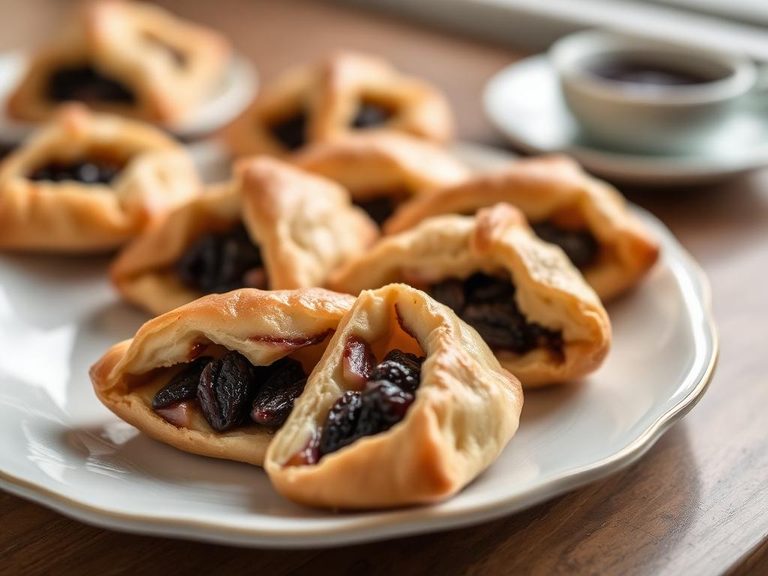
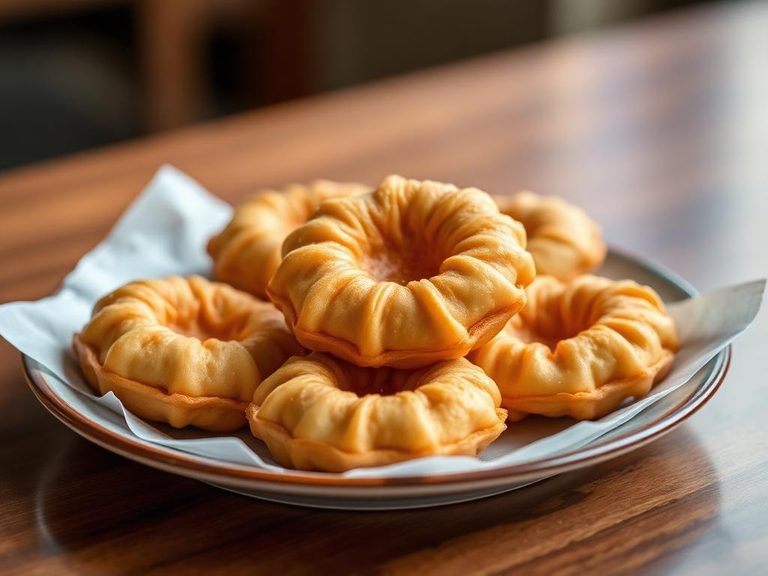
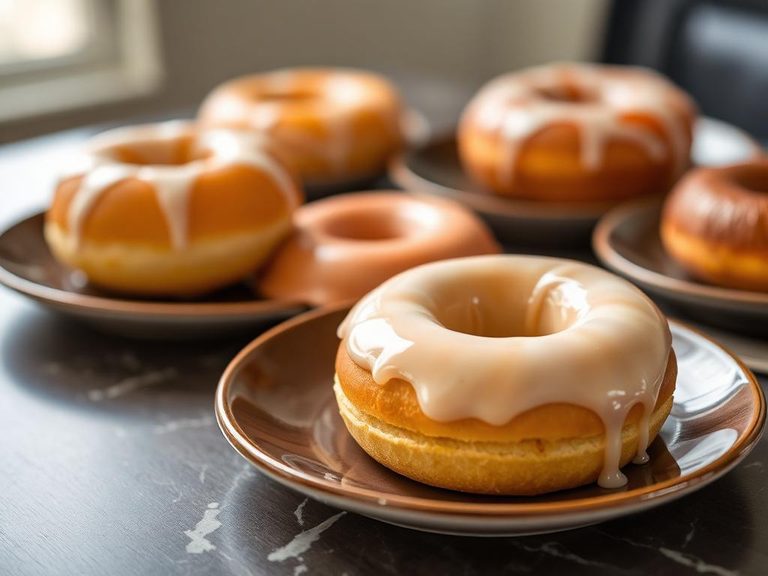
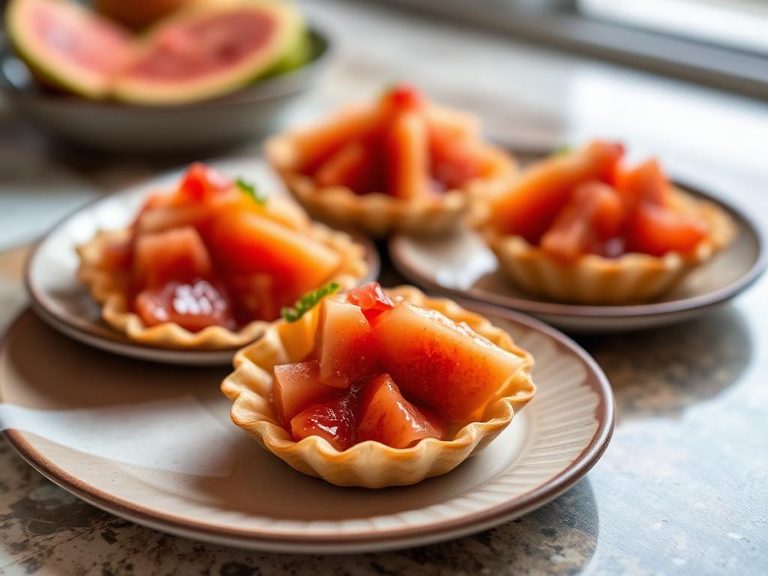
Regional baked goods and pastries are a diverse category of treats found in local bakeries worldwide, from flaky croissants in France to sweet pan dulce in Mexico. They are typically made from flour, butter, sugar, and eggs, often incorporating local ingredients like spices, fruits, or nuts. These items are deeply tied to local culinary traditions and daily life.
🍽️ Nutrition at a glance
These pastries are generally high in carbohydrates and fat, providing quick energy but often in a calorie-dense form. Key nutrients include B vitamins from enriched flour and small amounts of iron, with a typical serving ranging from 250 to 500 calories.
Nutrition breakdown
| Calories | 350 kcal |
| Protein | 5 g |
| Carbs | 45 g |
| Fat | 18 g |
| Fiber | 2 g |
| Sugar | 15 g |
| Sodium | 250 mg |
| Iron | 2 mg |
| Thiamin (B1) | 0.3 mg |
| Niacin (B3) | 2.5 mg |
| Folate | 60 mcg |
| Calcium | 30 mg |
| Magnesium | 15 mg |
| Phosphorus | 60 mg |
| Selenium | 10 mcg |
Per 1 medium pastry (about 85 g) · estimated, varies by recipe
💡 What's interesting
What makes these pastries unique is how they reflect local terroir and culture, such as using regional wheat varieties or traditional lamination techniques passed down through generations. Nutritionally, they often serve as a communal or celebratory food, marking daily rituals or special occasions.
🍽️ Related dishes

AI estimate may be inaccurate · Terms