Baby's bottle feed
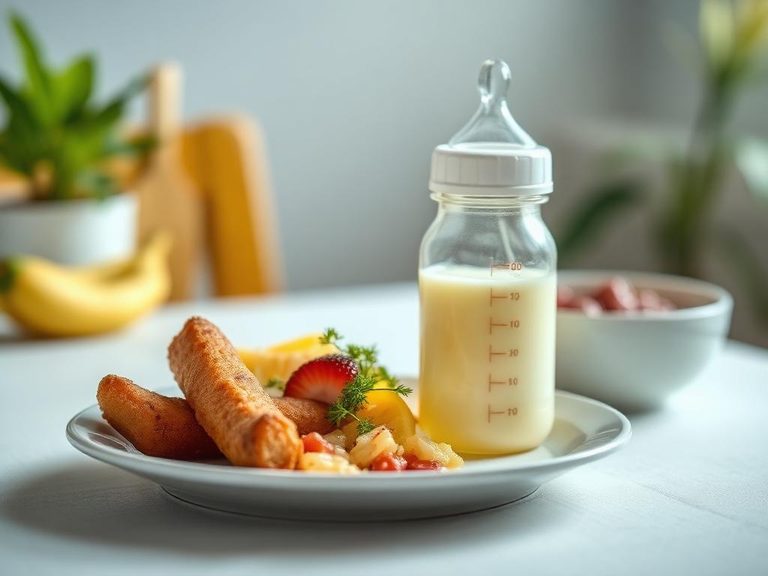
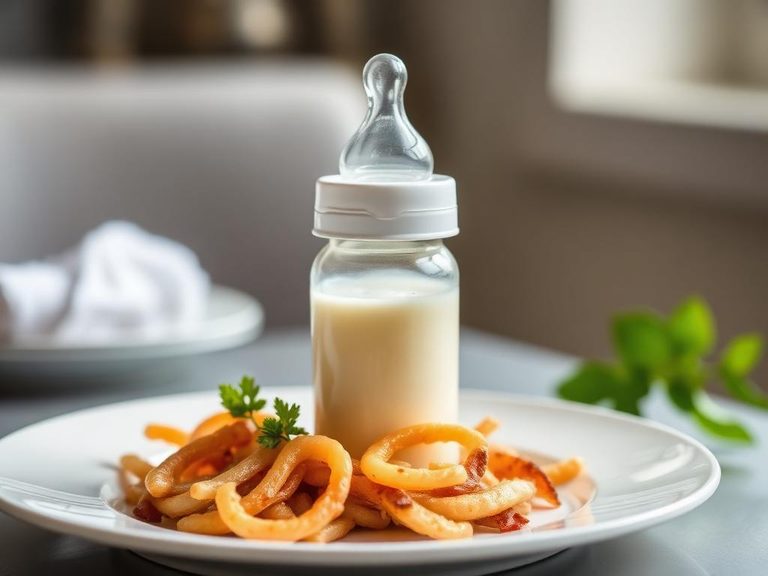
Baby's bottle feed, commonly known as infant formula, is a manufactured food designed to mimic the nutritional composition of human breast milk for babies who are not breastfed. It typically comes in liquid or powder form and is made from a base of cow's milk or soy, with added vitamins, minerals, and other nutrients. It is a globally produced and regulated product, essential for infant nutrition in many cultures.
🍽️ Nutrition at a glance
Baby's bottle feed is nutritionally balanced to support rapid growth, providing a moderate mix of fats, carbohydrates, and proteins. It is a rich source of key nutrients like iron, calcium, and vitamins A and D, with a typical 240ml prepared serving containing roughly 120-150 calories.
Nutrition breakdown
| Calories | 130 kcal |
| Protein | 3.5 g |
| Carbs | 14 g |
| Fat | 7 g |
| Fiber | 0 g |
| Sugar | 14 g |
| Sodium | 55 mg |
| Calcium | 105 mg |
| Iron | 1.8 mg |
| Vitamin A | 80 mcg RAE |
| Vitamin D | 1.0 mcg |
| Vitamin C | 12 mg |
| Potassium | 180 mg |
| Phosphorus | 55 mg |
| Zinc | 1.0 mg |
Per 1 bottle (240 ml, prepared from powder) · estimated, varies by recipe
💡 What's interesting
What's unique is that its formulation is strictly regulated to closely match the changing nutritional needs of a growing infant over time, with different 'stages' for different ages. It also often contains added nutrients like DHA and ARA, which are important for brain and eye development.