Added to smoothies and shakes

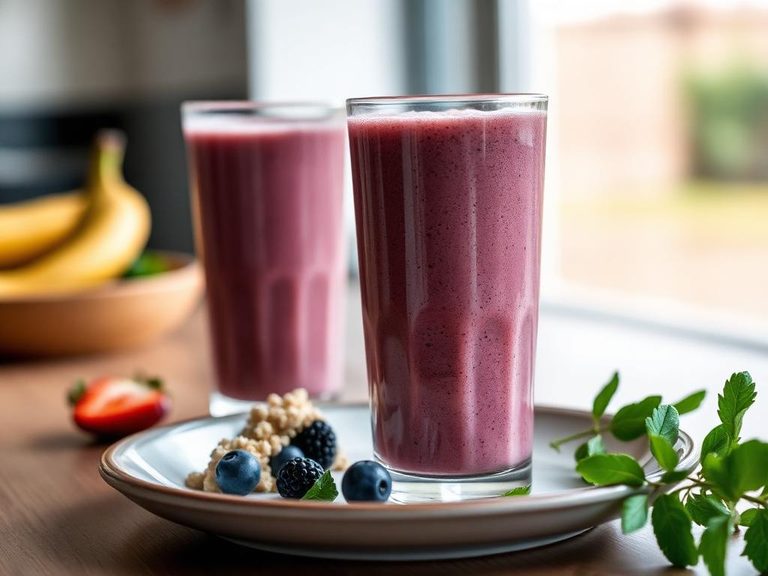
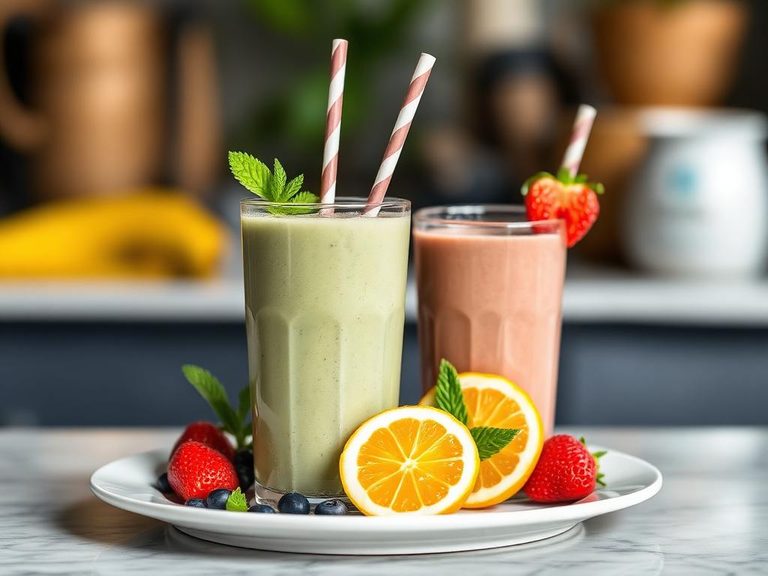
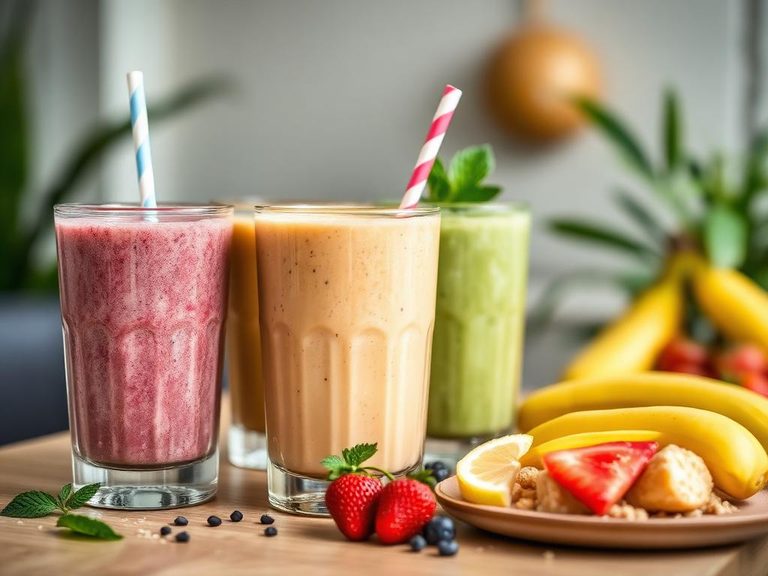
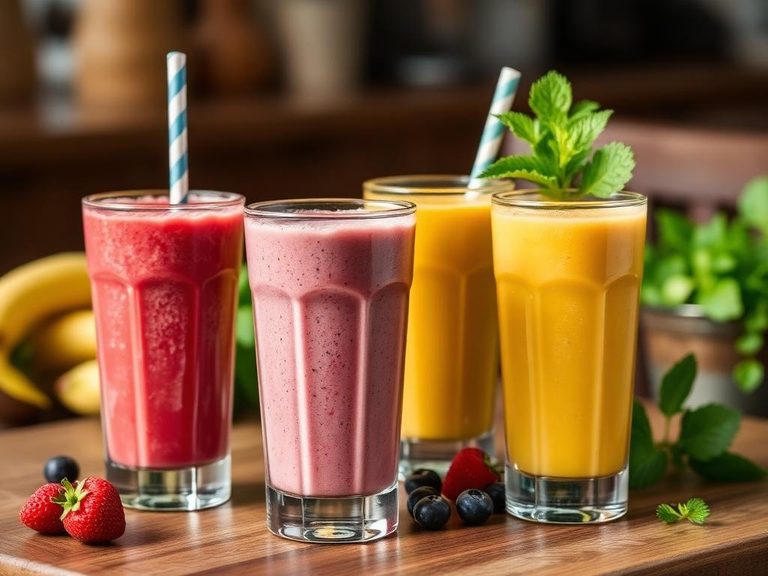
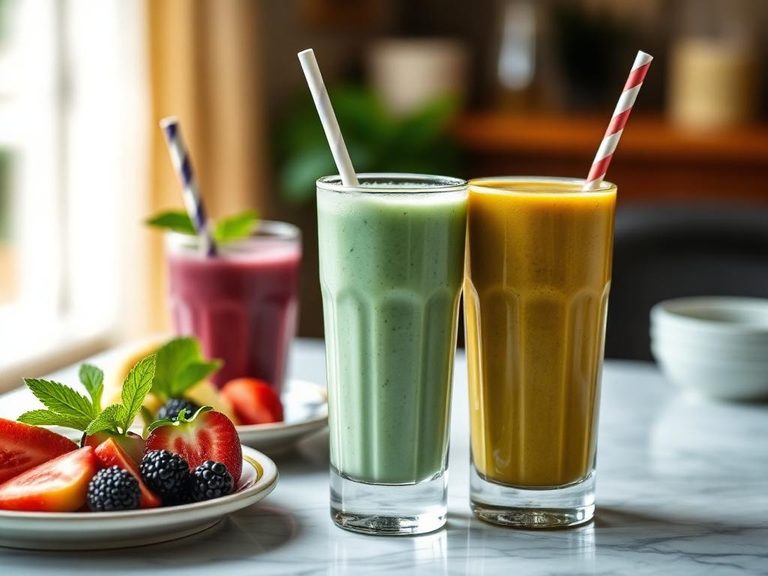
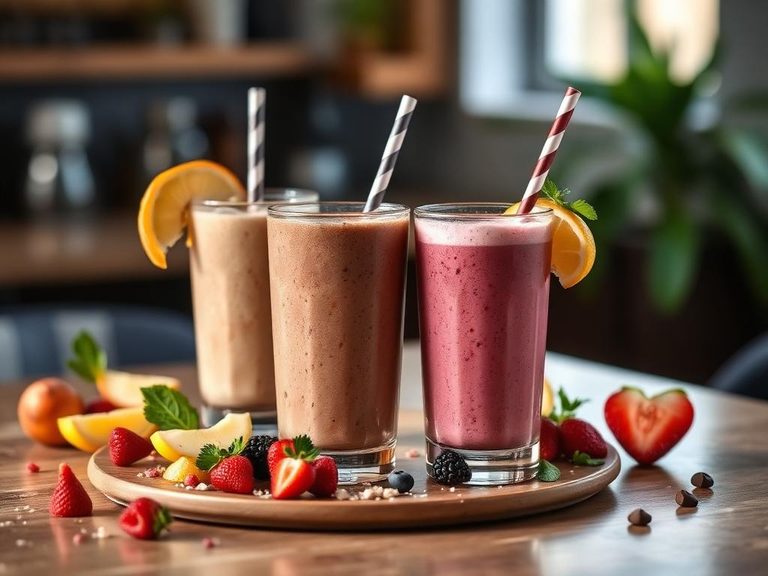
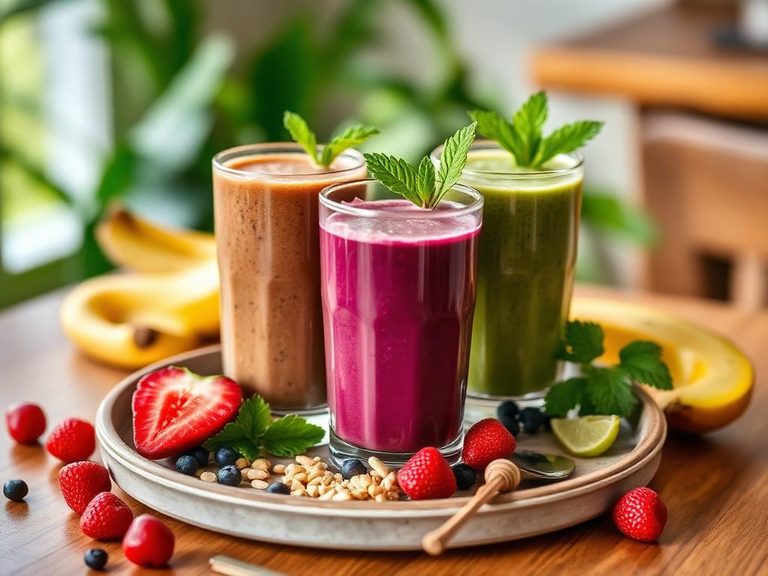
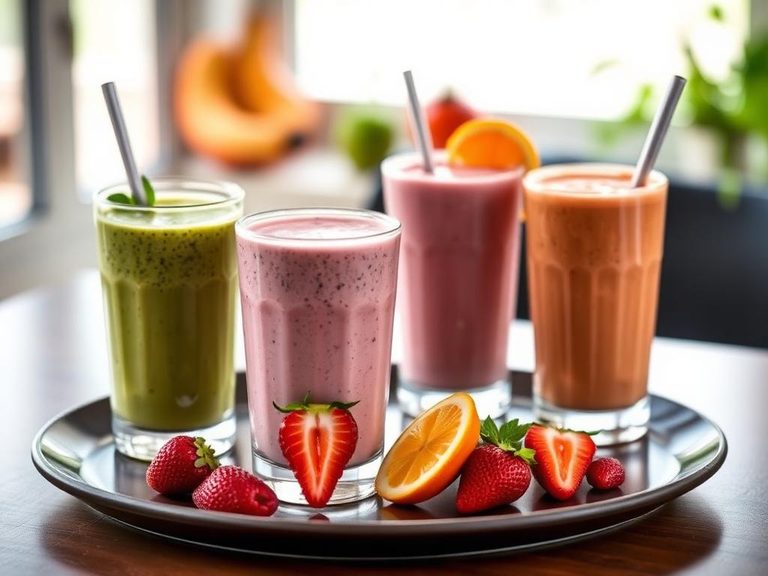
This is not a specific dish, but a category of ingredients commonly added to smoothies and shakes to enhance flavor, texture, and nutrition. Typical additions include fruits (like bananas, berries), vegetables (like spinach, kale), proteins (like yogurt, protein powder, nut butters), and liquids (like milk, juice, or water). These ingredients are mixed together, often in a blender, and are popular worldwide as quick, healthy meals or snacks.
🍽️ Nutrition at a glance
The nutritional profile varies widely based on the specific ingredients used, but smoothies and shakes are often designed to be balanced, providing a mix of carbohydrates for energy, protein for muscle repair, and healthy fats. A typical homemade fruit and yogurt smoothie might contain around 200-300 calories per serving, offering vitamins, minerals, and fiber.
Nutrition breakdown
| Calories | 250 kcal |
| Protein | 8 g |
| Carbs | 45 g |
| Fat | 5 g |
| Fiber | 4 g |
| Sugar | 30 g |
| Sodium | 100 mg |
| Vitamin C | 45 mg |
| Potassium | 400 mg |
| Calcium | 150 mg |
| Vitamin A | 200 mcg |
| Magnesium | 30 mg |
| Iron | 1 mg |
| Vitamin K | 25 mcg |
| Folate | 40 mcg |
Per 1 cup (240 g) · estimated, varies by recipe
💡 What's interesting
Smoothies and shakes have evolved from simple health drinks to a global culinary trend, with countless regional variations. They are uniquely versatile, serving as a vehicle for incorporating a wide array of superfoods, supplements, and dietary-specific ingredients, making them a staple in fitness and wellness cultures.