

Vinegret
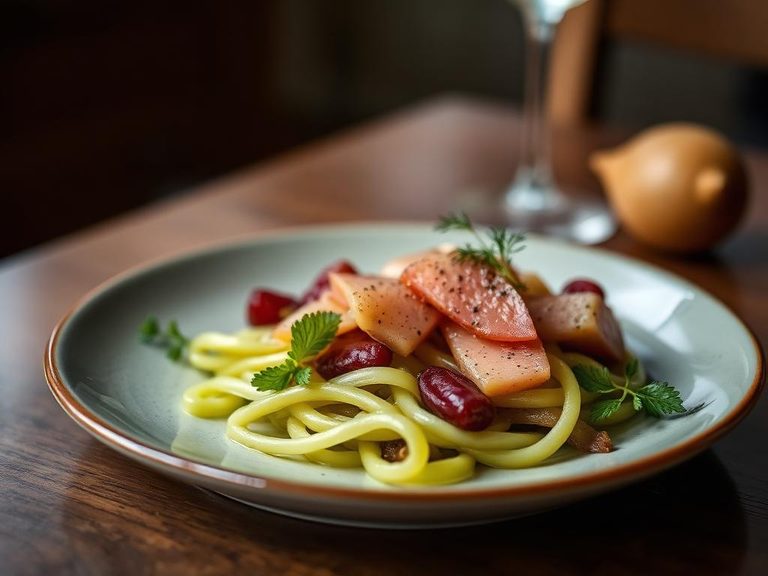
Vinegret is a hearty, colorful beet-based salad originating from Eastern Europe, particularly popular in Russia and Ukraine. It typically features diced boiled beets, potatoes, carrots, pickles, onions, and sometimes sauerkraut or beans, all tossed in a simple oil or vinaigrette dressing. The dish is known for its vibrant magenta color and sweet-and-sour flavor profile.
🍽️ Nutrition at a glance
Vinegret is a balanced, plant-based dish that provides a good mix of carbohydrates from root vegetables, healthy fats from the oil dressing, and moderate fiber. A typical serving offers key nutrients like folate, manganese, and vitamin C from the beets and vegetables, with a rough calorie ballpark of around 150-200 kcal per cup.
Nutrition breakdown
| Calories | 180 kcal |
| Protein | 3 g |
| Carbs | 22 g |
| Fat | 9 g |
| Fiber | 4 g |
| Sugar | 8 g |
| Sodium | 450 mg |
| Folate | 60 µg |
| Manganese | 0.5 mg |
| Vitamin C | 10 mg |
| Potassium | 320 mg |
| Iron | 1.2 mg |
| Vitamin B6 | 0.2 mg |
| Magnesium | 25 mg |
| Phosphorus | 60 mg |
Per 1 cup (220 g) · estimated, varies by recipe
💡 What's interesting
Culturally, Vinegret is a staple of Soviet-era cuisine and is often associated with festive tables, including New Year's celebrations. Nutritionally, it's unique because the beets retain their potent antioxidants (like betalains) even after cooking, and the fermentation from pickles or sauerkraut can add beneficial probiotics.
🍽️ Related dishes
AI estimate may be inaccurate · Terms