Used as a base for no-bake dessert bars
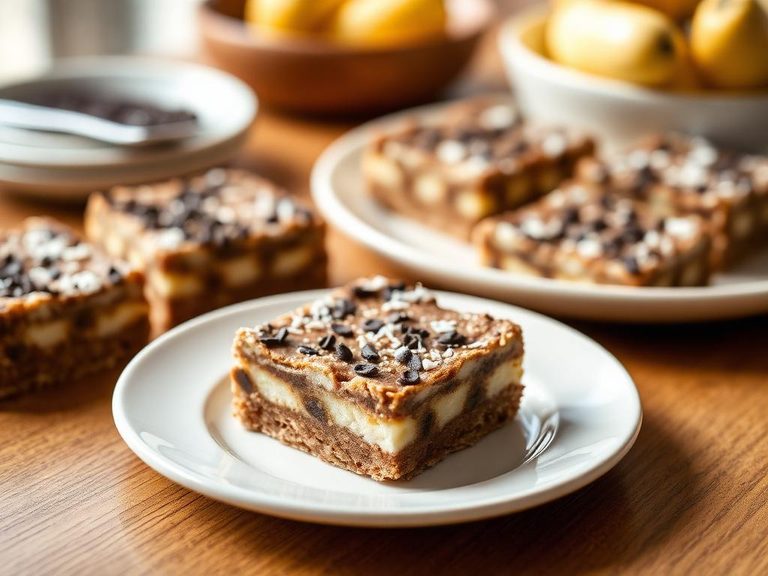
A no-bake dessert bar base, typically a mixture of crushed biscuits or graham crackers, melted butter, and sometimes sugar or cocoa. This simple, versatile crust is pressed into a pan to form a firm foundation for cheesecakes, lemon bars, or other chilled treats. While its exact origin is hard to pinpoint, it's a staple in home baking across North America and Europe.
🍽️ Nutrition at a glance
This base is high in carbohydrates and fat, primarily from the refined flour in the biscuits and the saturated fat in the butter. It provides quick energy and some small amounts of iron and B vitamins from the flour, but is generally low in protein and fiber. A typical serving can range from 150 to 250 calories, depending on the thickness and specific ingredients used.
Nutrition breakdown
| Calories | 270 kcal |
| Protein | 5 g |
| Carbs | 30 g |
| Fat | 16 g |
| Fiber | 2 g |
| Sugar | 18 g |
| Sodium | 180 mg |
| Iron | 1.5 mg |
| Magnesium | 30 mg |
| Phosphorus | 80 mg |
| Zinc | 0.8 mg |
| Copper | 0.2 mg |
| Manganese | 0.6 mg |
| Vitamin B1 (Thiamin) | 0.1 mg |
| Niacin (B3) | 1.2 mg |
Per 1/2 cup (70 g) · estimated, varies by recipe
💡 What's interesting
Culturally, this base represents the ultimate 'kitchen hack' for easy, no-fuss dessert making, requiring no oven and minimal skill. Nutritionally, it's a fascinating example of how a simple, energy-dense foundation can be transformed into countless variations, from a classic New York-style cheesecake base to a raw, date-and-nut crust for a healthier twist.
🍽️ Related dishes
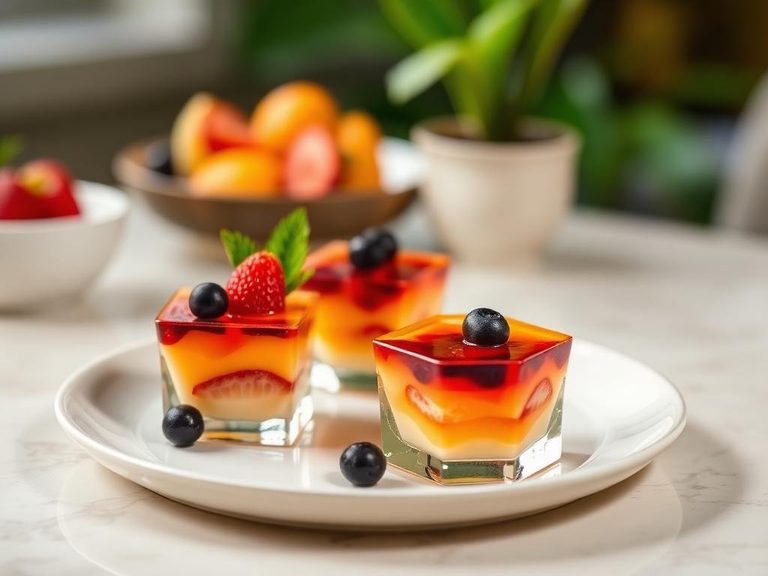 Used as a base for fruit-based gelatin desserts
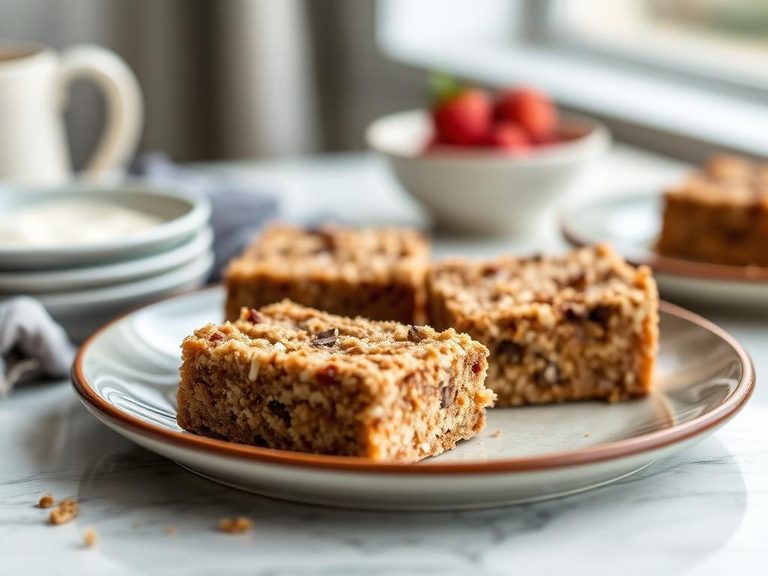 Crust for no-bake dessert bars
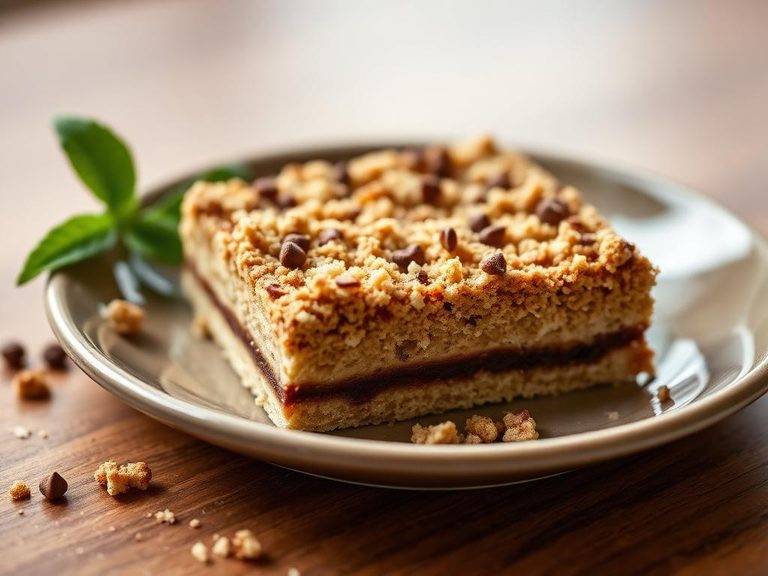 Dessert crust for no-bake pies or bars
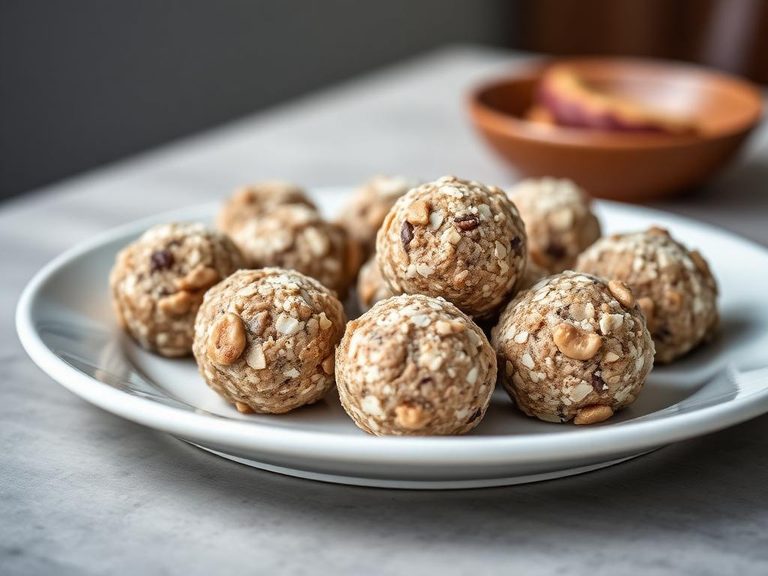 Used as a base for no-bake energy bites
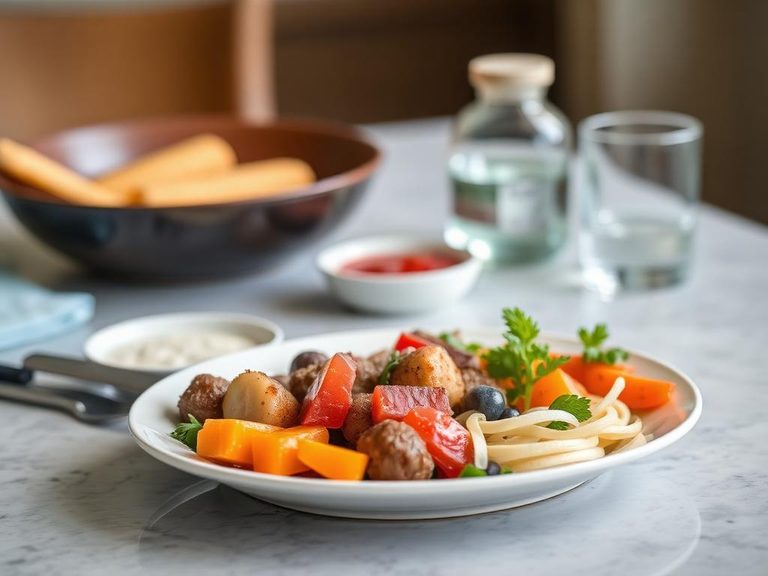 Used in special medical nutritional formulas
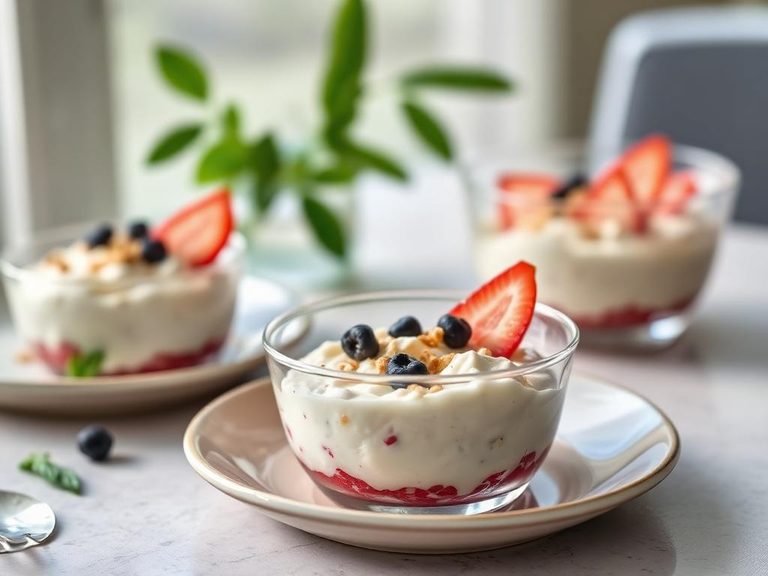 Used as a natural flavoring in yogurts and desserts
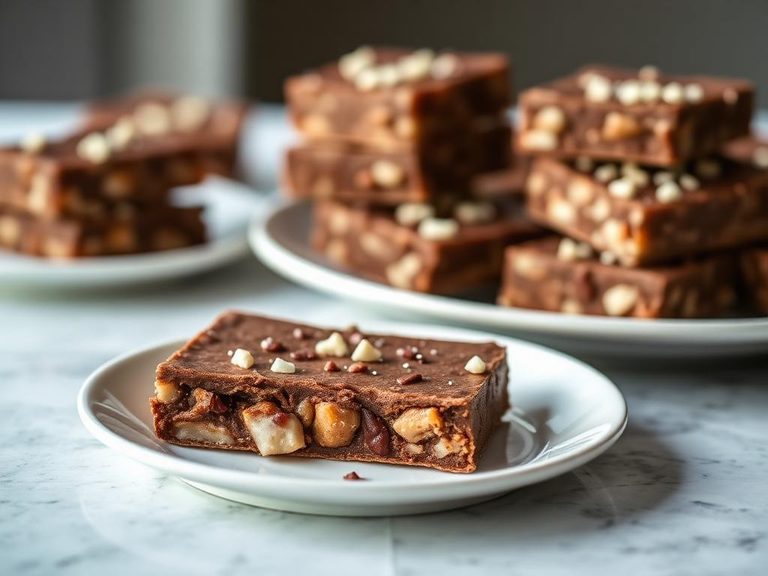 Used as a sweet filling for homemade candy bars
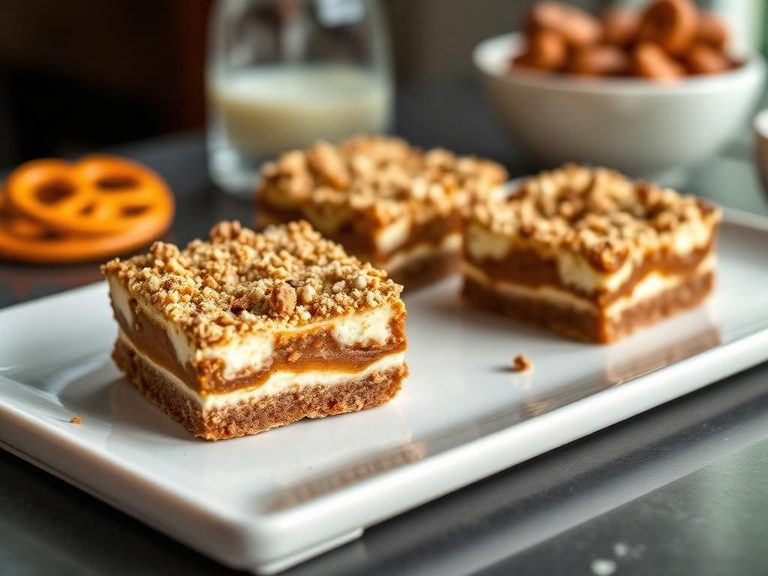 Pretzel-Crusted Dessert Bars