

Used as a base for a simple fruit tart
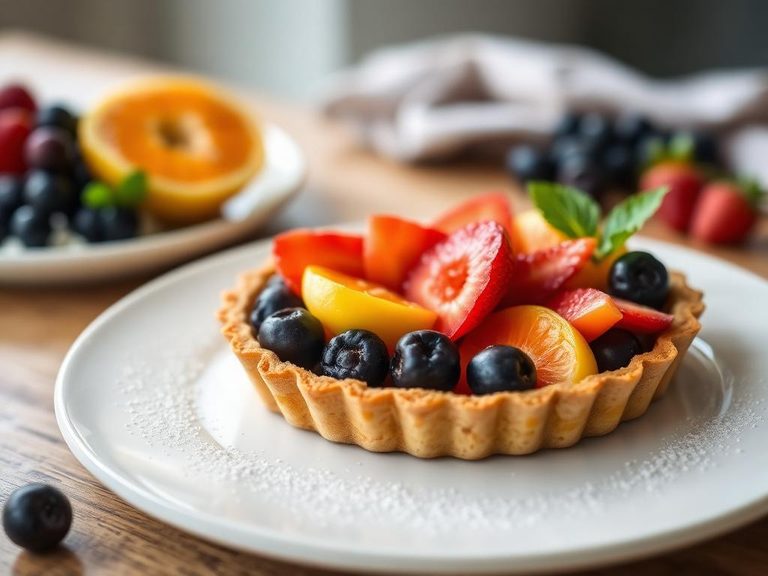
This refers to a sweet pastry crust, most commonly a 'pâte sucrée' or 'pâte sablée', which is a classic French shortcrust pastry. It is made from flour, butter, sugar, and often egg yolks, creating a tender, cookie-like base that holds up well to moist fillings. This type of crust is the traditional foundation for simple fruit tarts across Europe and in modern baking.
🍳 View the full Used as a base for a simple fruit tart recipe →
🍽️ Nutrition at a glance
As a butter-based pastry, it is high in carbohydrates from flour and sugar, and high in fat from the butter. A single tart shell (about 1/8 of a 9-inch tart) provides a significant source of energy, with a rough ballpark of 200-250 calories, along with some iron from the flour.
Nutrition breakdown
| Calories | 200 kcal |
| Protein | 3 g |
| Carbs | 25 g |
| Fat | 10 g |
| Fiber | 1 g |
| Sugar | 5 g |
| Sodium | 150 mg |
| Calcium | 20 mg |
| Iron | 1.5 mg |
| Potassium | 50 mg |
| Vitamin A | 90 mcg |
| Vitamin D | 0.2 mcg |
| Vitamin B12 | 0.1 mcg |
| Phosphorus | 30 mg |
| Selenium | 4 mcg |
Per 1 cup (240 g) · estimated, varies by recipe
💡 What's interesting
Culturally, this crust is a cornerstone of French pâtisserie, designed to be sturdy enough to hold fruit and cream without becoming soggy, yet delicate enough to melt in the mouth. Nutritionally, its high fat and sugar content is what makes it a delicious, indulgent base, but it also means it's best enjoyed in moderation as part of a balanced treat.
🍽️ Related dishes
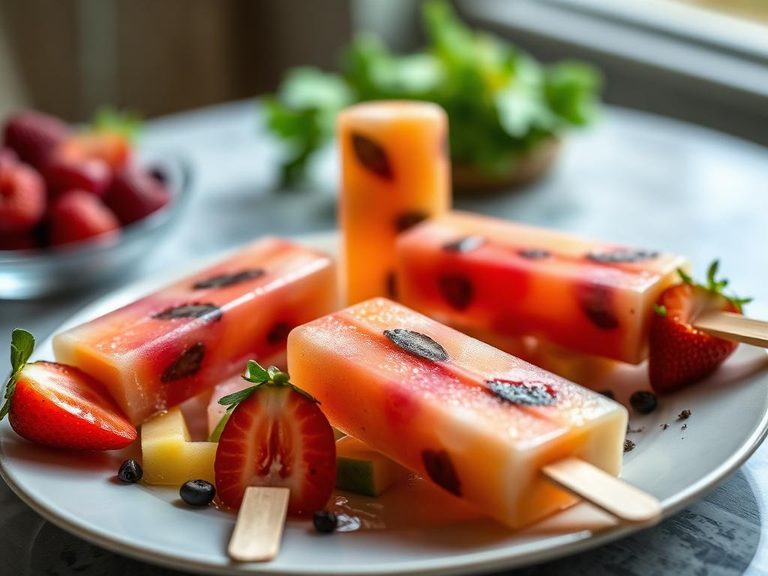 Used as a base for fruit and vegetable popsicles
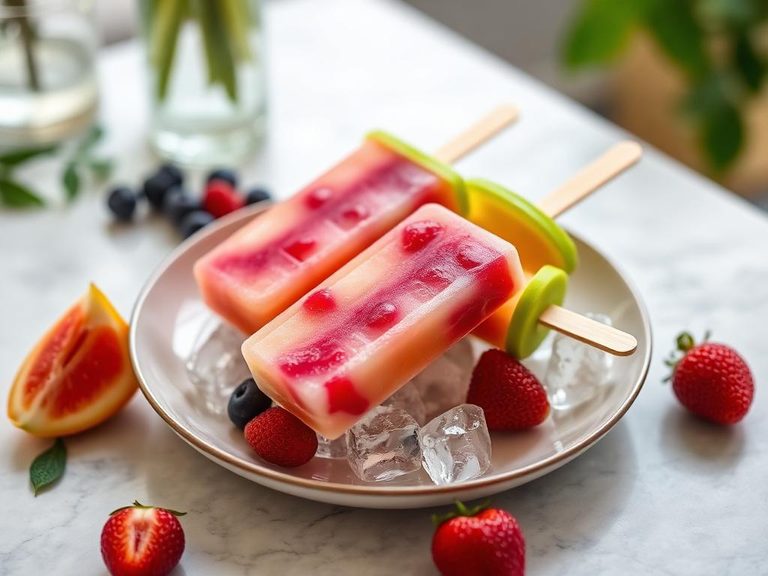 Used as a base for homemade fruit popsicles
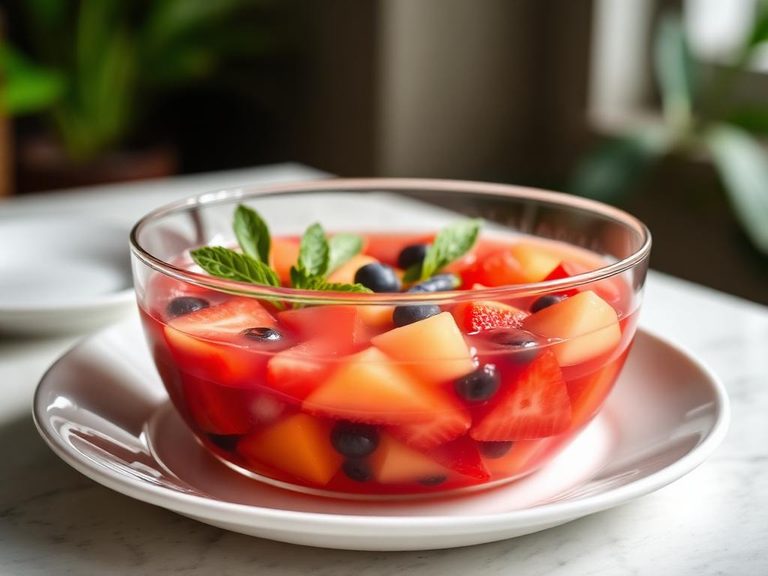 Used as a base for fruit punches or party bowls.
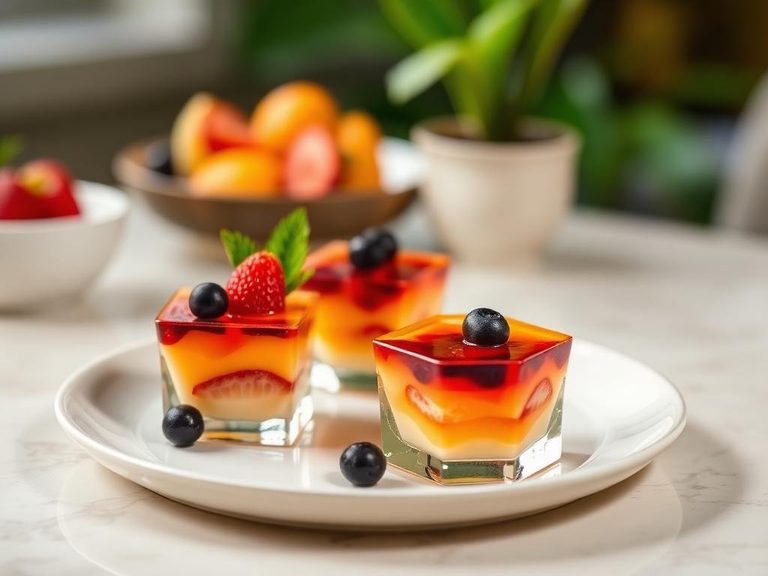 Used as a base for fruit-based gelatin desserts
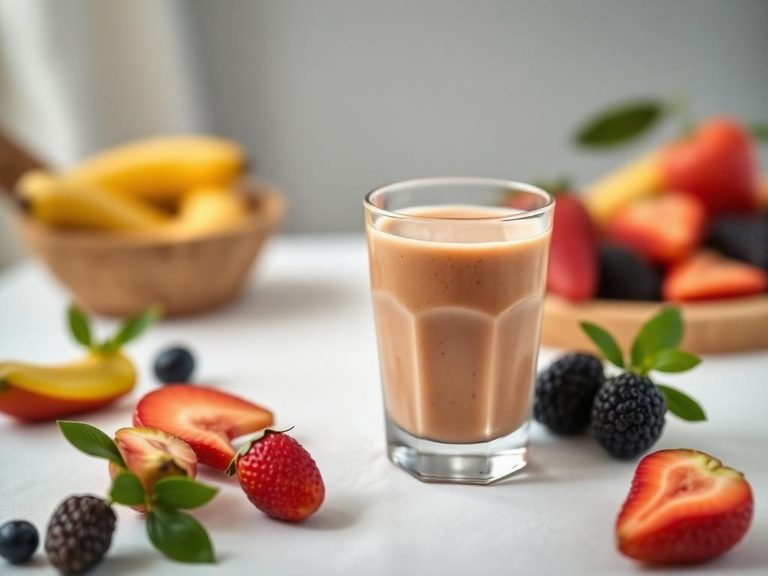 Formula-based fruit smoothie for older babies
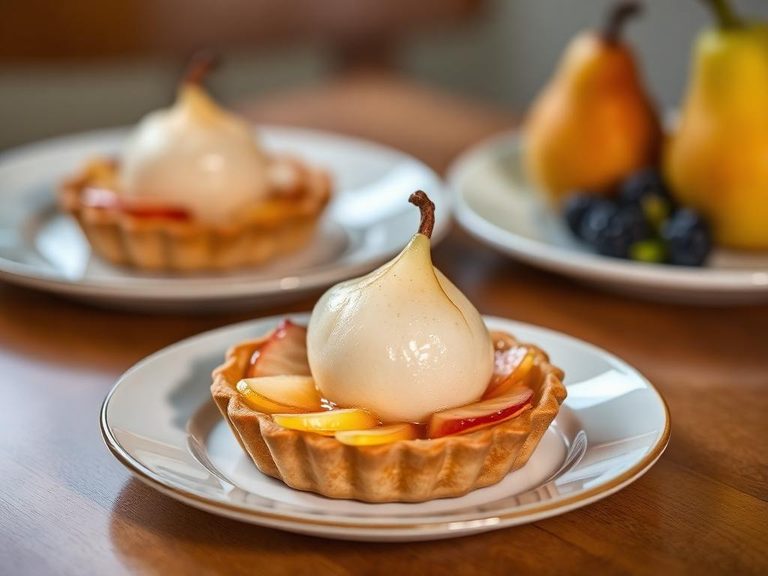 Fruit-based desserts like apple tart or pear sorbet
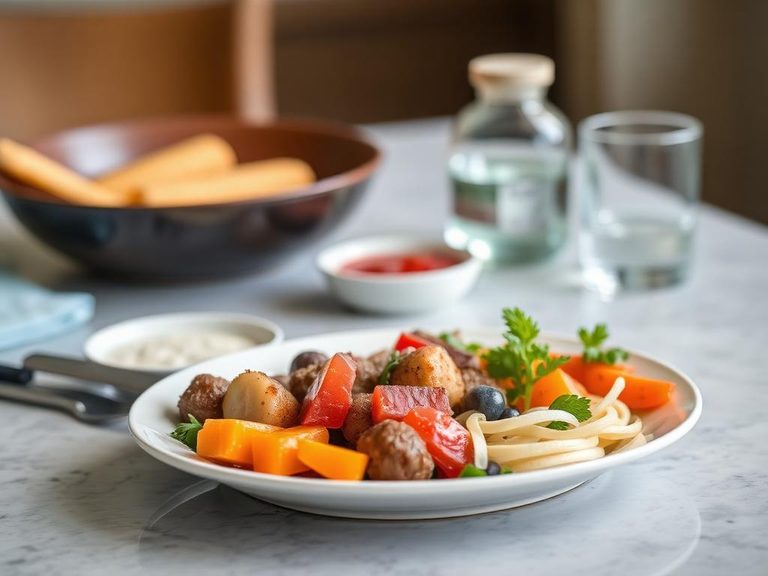 Used in special medical nutritional formulas
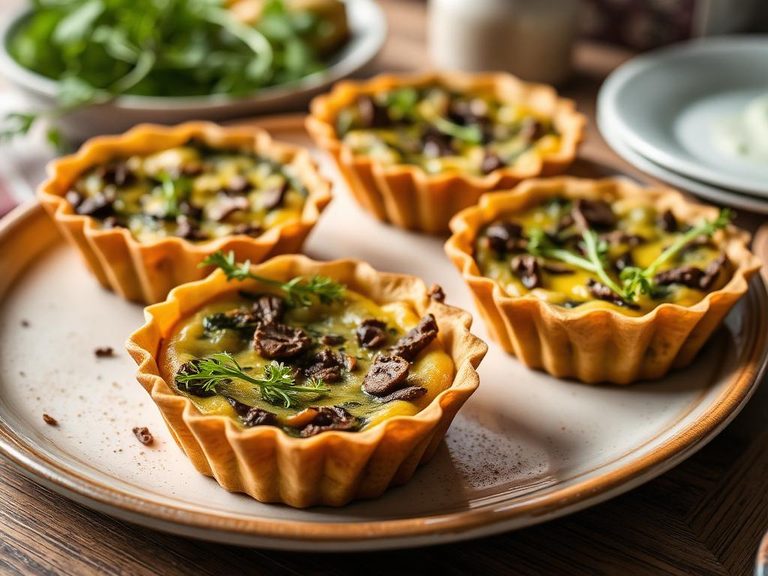 Used in wild greens pies or tarts
AI estimate may be inaccurate · Terms