

Triticale Pilaf
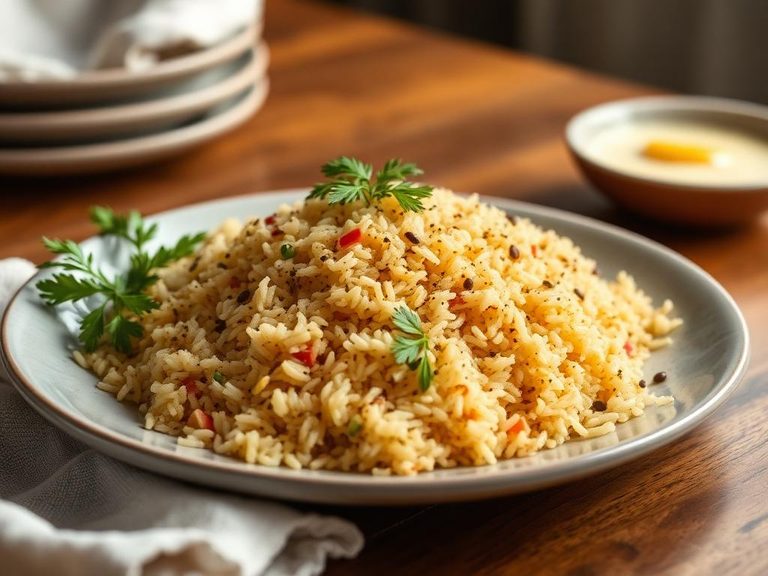
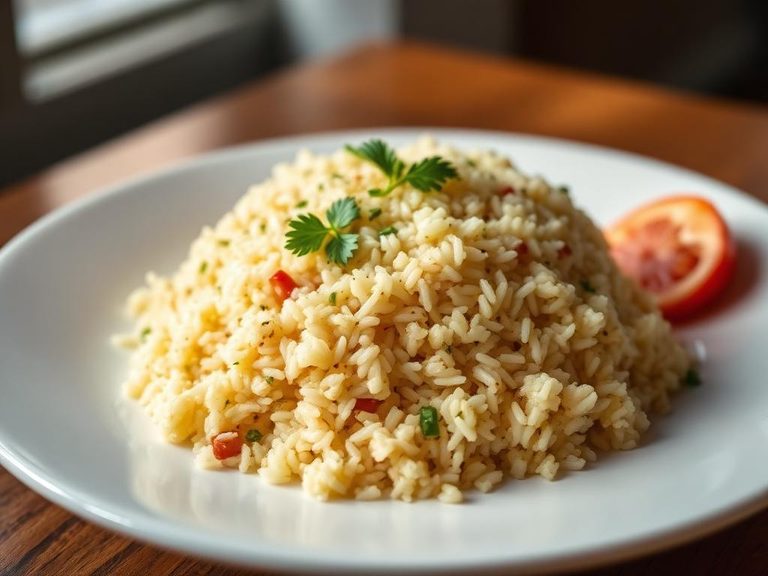
Triticale Pilaf is a hearty, savory grain dish made from triticale—a hybrid of wheat and rye—cooked in a flavorful broth with aromatic vegetables like onions, carrots, and celery. It originates from regions where triticale is cultivated, such as parts of Europe and North America, and is often served as a nutritious side dish or a base for proteins. The dish typically includes herbs like dill or parsley, and sometimes incorporates nuts or dried fruits for added texture.
🍽️ Nutrition at a glance
Triticale Pilaf is high in complex carbohydrates and provides a good source of plant-based protein and dietary fiber, making it a filling, energy-boosting meal. A typical serving contains around 200-250 calories, along with essential nutrients like iron, magnesium, and B vitamins from the grain and vegetables.
Nutrition breakdown
| Calories | 220 kcal |
| Protein | 8 g |
| Carbs | 40 g |
| Fat | 3 g |
| Fiber | 5 g |
| Sugar | 4 g |
| Sodium | 300 mg |
| Iron | 2.5 mg |
| Magnesium | 45 mg |
| Phosphorus | 120 mg |
| Potassium | 200 mg |
| Zinc | 1.5 mg |
| Thiamin (B1) | 0.3 mg |
| Niacin (B3) | 2.0 mg |
| Folate | 30 mcg |
Per 1 cup (240 g) · estimated, varies by recipe
💡 What's interesting
Triticale itself is a unique grain, first developed in the 19th century to combine the yield potential of wheat with the hardiness of rye, making it a sustainable crop in challenging climates. Nutritionally, triticale offers more protein and lysine than wheat, giving this pilaf a slight edge in amino acid balance compared to traditional wheat-based dishes.
🍽️ Related dishes


AI estimate may be inaccurate · Terms