Travel hydration aid
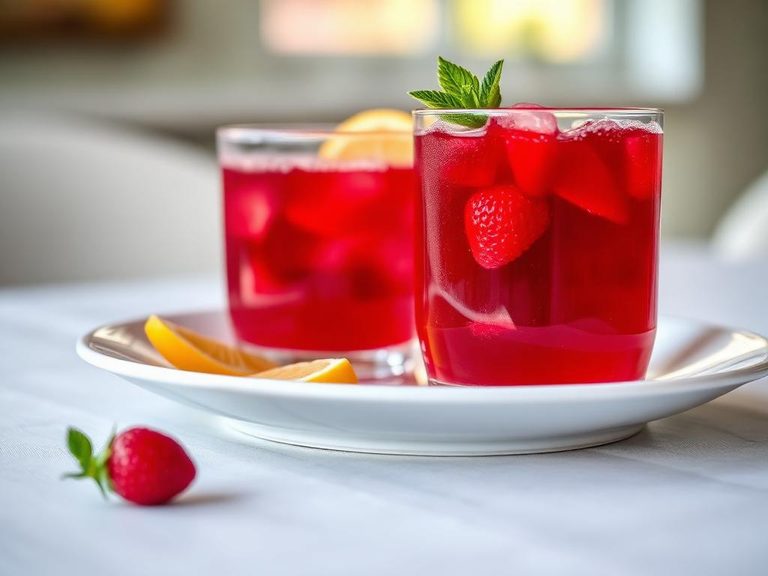
Travel hydration aid is a refreshing, electrolyte-rich beverage designed to replenish fluids and minerals lost during travel, physical activity, or heat exposure. It typically consists of water, a source of electrolytes like sodium and potassium, and often a small amount of sugar or natural sweetener for flavor and energy. While variations exist globally, it is commonly associated with oral rehydration solutions (ORS) used in medical and travel contexts.
🍽️ Nutrition at a glance
This drink is primarily designed for hydration and electrolyte balance rather than being a significant source of macronutrients. It is very low in calories, fat, and protein, with its key nutrients being electrolytes like sodium and potassium to support fluid balance and nerve function.
Nutrition breakdown
| Calories | 20 kcal |
| Protein | 0 g |
| Carbs | 5 g |
| Fat | 0 g |
| Fiber | 0 g |
| Sugar | 4 g |
| Sodium | 450 mg |
| Potassium | 125 mg |
| Chloride | 400 mg |
| Magnesium | 10 mg |
| Zinc | 2 mg |
| Vitamin B6 | 0.2 mg |
| Vitamin B12 | 0.3 µg |
| Niacin (B3) | 2 mg |
| Pantothenic Acid (B5) | 1 mg |
Per 1 packet mixed with 500 ml of water (approx. 505 g) · estimated, varies by recipe
💡 What's interesting
The concept is rooted in the science of oral rehydration therapy, a simple, life-saving intervention developed to combat dehydration from illnesses like cholera. Nutritionally, its precise electrolyte and sugar ratio is engineered to optimize water absorption in the intestines, a principle far more efficient than drinking plain water alone.