Sugar paste flowers
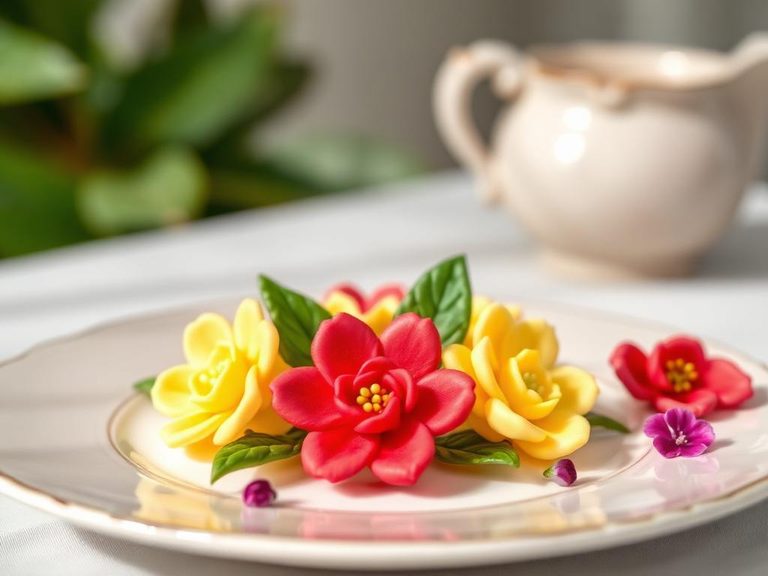
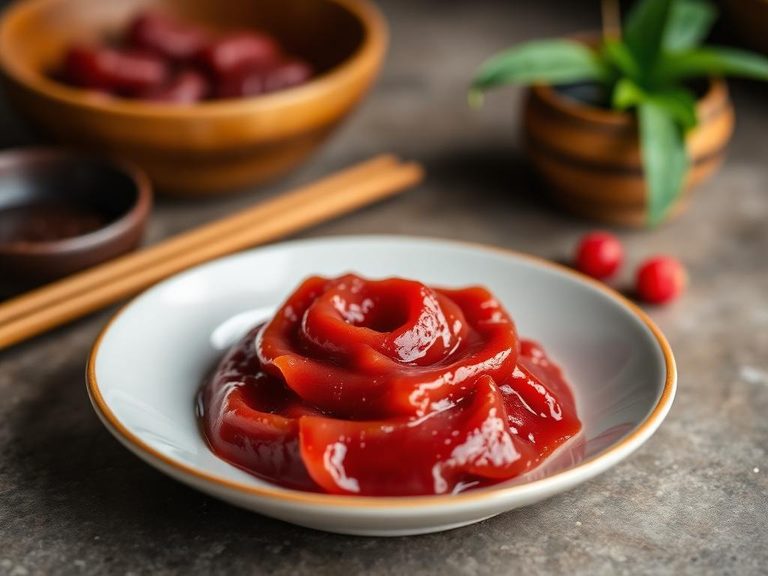
Sugar paste flowers, also known as gum paste flowers, are decorative edible creations made from a pliable sugar dough, primarily used to adorn cakes and pastries. The paste is typically composed of sugar, water, gelatin, and glycerin, allowing it to be sculpted into intricate, realistic floral shapes that harden as they dry. While the technique has roots in European sugarcraft, it is now a global art form in cake decorating.
🍽️ Nutrition at a glance
As a decorative element, sugar paste flowers are almost entirely composed of carbohydrates from sugar, with negligible protein, fat, or fiber. A typical serving provides a quick energy boost but offers little nutritional value beyond calories, which can range from 30 to 100 kcal per flower depending on its size.
Nutrition breakdown
| Calories | 95 kcal |
| Protein | 0.1 g |
| Carbs | 23.5 g |
| Fat | 0 g |
| Fiber | 0 g |
| Sugar | 23 g |
| Sodium | 5 mg |
| Iron | 0.1 mg |
| Calcium | 2 mg |
| Potassium | 3 mg |
| Magnesium | 1 mg |
| Phosphorus | 1 mg |
| Sodium | 5 mg |
Per 1 medium-sized sugar paste rose (approx. 25 g) · estimated, varies by recipe
💡 What's interesting
The unique aspect of sugar paste flowers is their dual role as both a food and an art medium; skilled decorators can create astonishingly lifelike petals and leaves that are completely edible. Nutritionally, they serve as a concentrated source of simple carbohydrates, primarily sucrose, with minimal other nutrients.