

Starter Meal
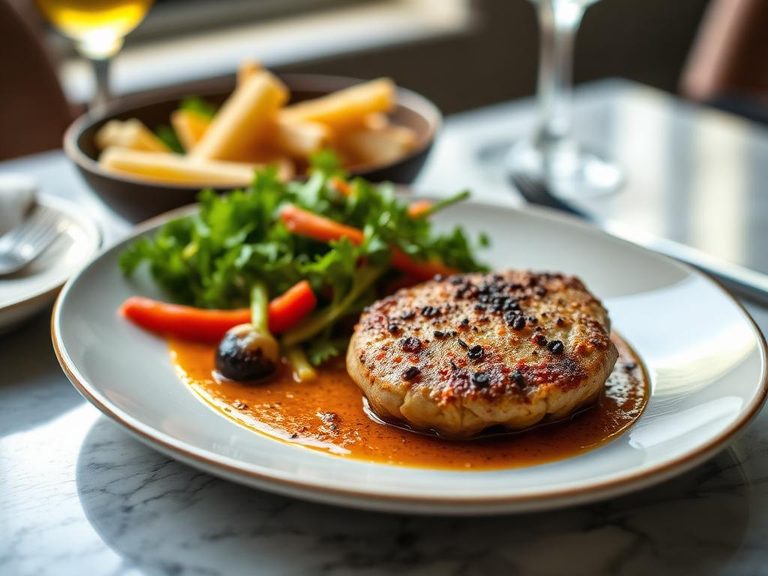
A 'Starter Meal' is a broad culinary term for a light dish served before a main course, designed to stimulate the appetite. It typically features small portions of ingredients like cured meats, cheeses, olives, or fresh vegetables, and is common in Western dining traditions, particularly in European and American cuisines.
🍳 View the full Starter Meal recipe →
🍽️ Nutrition at a glance
This dish is generally low in carbohydrates and high in protein and fat, depending on the specific ingredients chosen. It provides key nutrients like protein, healthy fats, and vitamins from vegetables, with a rough calorie ballpark of 150-300 kcal per serving.
Nutrition breakdown
| Calories | 220 kcal |
| Protein | 12 g |
| Carbs | 8 g |
| Fat | 16 g |
| Fiber | 2 g |
| Sugar | 3 g |
| Sodium | 480 mg |
| Vitamin C | 15 mg |
| Vitamin K | 30 µg |
| Calcium | 120 mg |
| Iron | 1.5 mg |
| Potassium | 250 mg |
| Vitamin A | 200 µg |
| Vitamin B12 | 0.8 µg |
| Phosphorus | 150 mg |
Per 1 plate (150 g) · estimated, varies by recipe
💡 What's interesting
Culturally, starter meals (or appetizers) set the tone for a meal, encouraging social interaction and conversation. Nutritionally, they can help manage portion control and prevent overeating during the main course by providing an initial source of satiety.
🍽️ Related dishes

AI estimate may be inaccurate · Terms