Standalone toddler snack
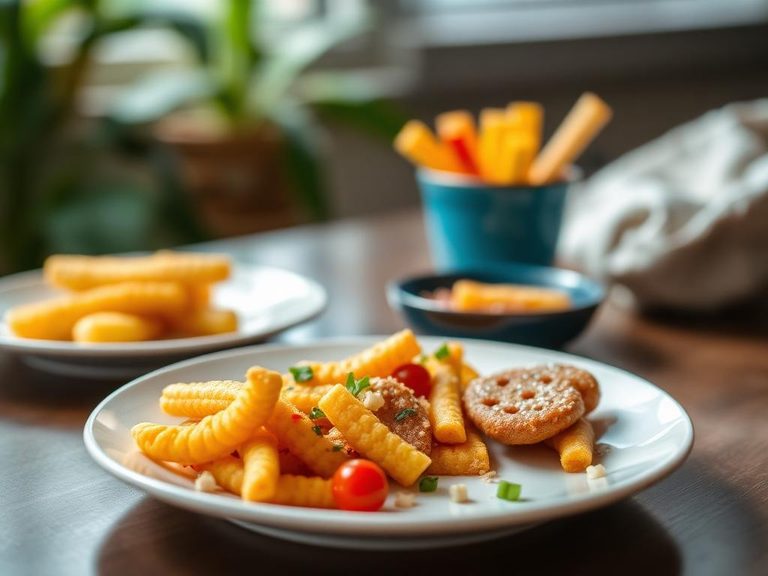
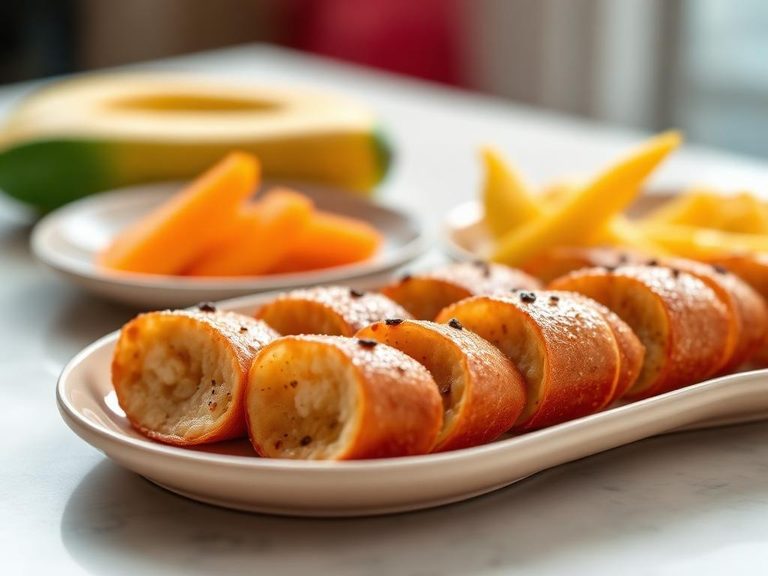
A 'Standalone toddler snack' is a broad category of convenient, pre-portioned, and often shelf-stable foods designed for young children to eat independently. Typical ingredients include whole grains like oats or puffs, fruits, vegetables, and sometimes dairy or legumes, with minimal added sugars or salts. It's a modern concept originating from Western countries, particularly the United States, to support busy parents and foster toddler self-feeding.
🍽️ Nutrition at a glance
These snacks are generally moderate in carbohydrates, with a focus on providing quick energy and essential nutrients like iron, calcium, and vitamins A and C. A typical serving contains roughly 80-120 calories, designed to be a light bridge between meals.
Nutrition breakdown
| Calories | 95 kcal |
| Protein | 2.5 g |
| Carbs | 18 g |
| Fat | 1.5 g |
| Fiber | 2 g |
| Sugar | 6 g |
| Sodium | 30 mg |
| Iron | 2 mg |
| Calcium | 120 mg |
| Vitamin A | 150 mcg |
| Vitamin C | 15 mg |
| Vitamin D | 1 mcg |
| Potassium | 180 mg |
| Zinc | 1 mg |
| Thiamin | 0.1 mg |
Per 1 pouch (90 g) · estimated, varies by recipe
💡 What's interesting
Nutritionally, they are often fortified to address common toddler deficiencies like iron and vitamin D. Culturally, they represent a shift towards 'baby-led weaning' and independent eating, emphasizing texture and motor skill development over purees.